
Views: 0 Author: Site Editor Publish Time: 2025-12-22 Origin: Site


The electric vehicle (EV) market has exploded in recent years. With technological advancements and growing consumer demand, EVs are becoming the norm. As we approach 2025, key trends are shaping the future of the electric car market.
In this article, we will explore these trends, identify the factors driving growth, and highlight the challenges ahead. You will gain insights into how the EV market will evolve and what to expect in the coming years.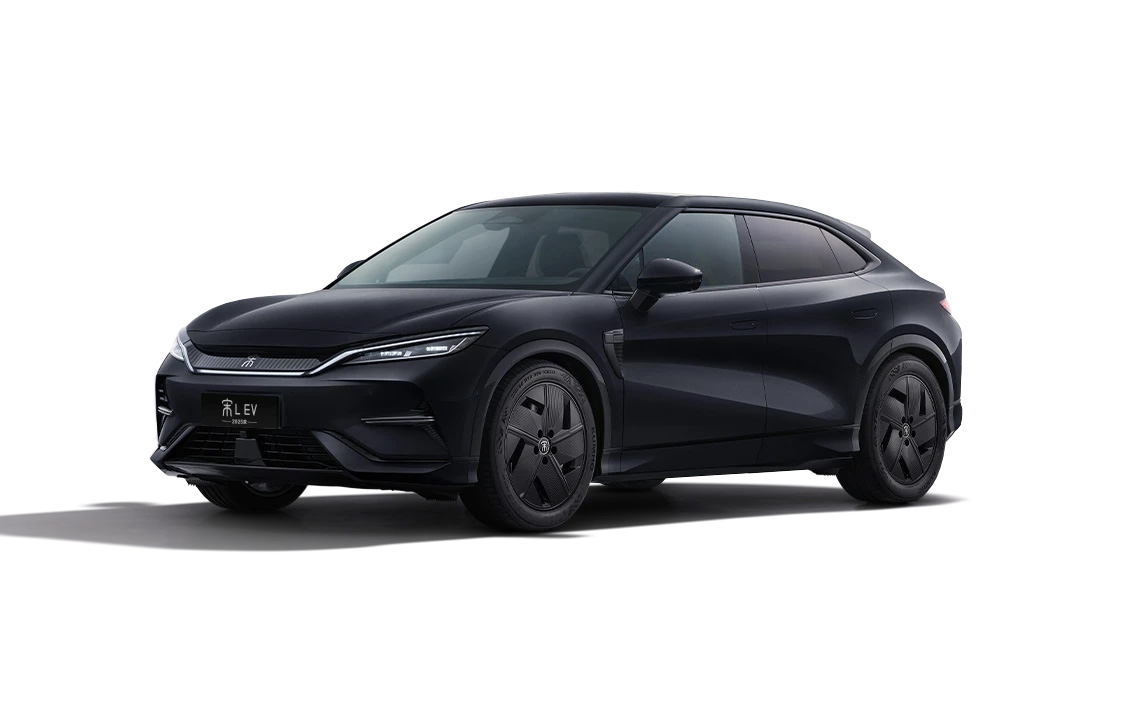
In 2024, global electric car sales surpassed 17 million, marking a 25% increase from the previous year. This growth represents the widespread adoption of electric cars, with electric vehicles now accounting for more than 20% of all new car sales worldwide. This growth is fueled by rising consumer demand, government incentives, and advancements in EV technology that have made electric cars more affordable and accessible.
China continues to lead the global EV market, accounting for nearly two-thirds of total global sales. This growth is driven by government subsidies, trade-in schemes, and the growing price competitiveness of EVs. Meanwhile, sales in Europe and the US have also grown, though at a slower pace due to reduced subsidies and tighter regulations.
China remains the dominant player in the global EV market, accounting for a significant portion of the world’s electric car sales. In 2024, China’s electric car sales reached nearly 11 million, and this market is growing rapidly, driven by government policies that offer substantial subsidies and incentives for consumers purchasing electric cars.
China’s EV manufacturers have been able to push the boundaries of price competitiveness and innovation, making electric cars more affordable. Policies such as trade-in schemes for old vehicles have contributed to a significant boost in electric car adoption, with more consumers opting for EVs due to the financial incentives.
China’s success in driving EV adoption provides valuable lessons for other regions looking to boost their own electric car markets. As the world's largest market, China has set a strong precedent for the future of electric mobility.
While China leads the charge, Europe and the US are also crucial to the global growth of the electric car market. In Europe, EV sales grew in 2024, though at a slower rate due to subsidy reductions and market saturation. Nevertheless, electric cars are expected to continue gaining popularity in the region, especially with more models becoming available at competitive prices.
In the US, the electric vehicle market reached 10% of total car sales in 2024. Although growth slowed to just 10% compared to previous years, federal and state incentives like the Clean Vehicle Tax Credit have made EVs more affordable. The US market is poised to continue its gradual transition toward electric vehicles, especially as more automakers introduce electric models.
Region | 2024 EV Sales | Key Drivers |
China | 11 million | Subsidies, trade-in schemes |
Europe | Growth, slower | Model availability, competitive prices |
US | 10% of total sales | Federal & state incentives |
Battery technology has been the cornerstone of the EV revolution, and it continues to evolve rapidly. In 2024, the price of lithium-ion batteries dropped significantly, due in part to falling costs of raw materials such as cobalt and graphite. This decrease in battery costs is helping electric cars become more competitive with traditional internal combustion engine vehicles.
In addition to cost reductions, battery energy density is also improving, allowing electric vehicles to travel farther on a single charge. This advancement makes EVs more practical for a wider range of consumers, including those who need vehicles for long-distance travel. Innovations aimed at reducing lithium dependency and using more abundant materials in batteries will further drive down costs and increase accessibility.
Smart charging technology is revolutionizing the way electric vehicles are powered. These charging solutions allow EV owners to optimize their charging schedules based on electricity demand, ensuring that they are consuming power when it is most affordable and sustainable.
Vehicle-to-Grid (V2G) technology takes this one step further. By enabling electric vehicles to return power to the grid, V2G helps balance electricity demand during peak hours. Though still in pilot stages, V2G is expected to play a significant role in stabilizing energy grids and reducing reliance on conventional power sources as the number of electric vehicles on the road grows.
The electrification of heavy-duty vehicles is crucial for reducing emissions in industries like transportation and logistics. In 2024, global sales of electric trucks and buses saw significant growth, with China leading the way. Europe and the US are also seeing increased adoption of electric heavy-duty vehicles, though at a slower pace.
Electric trucks and buses are expected to play a key role in decarbonizing the transportation sector, as they produce fewer emissions than their traditional counterparts. The European Union has set ambitious targets for reducing CO2 emissions from heavy-duty vehicles, which will drive further innovations in electric truck technologies.
Technology | Key Feature | 2024 Impact |
Battery Technology | Reduced costs, increased energy density | More affordable and longer range EVs |
Smart Charging | Optimize charging based on demand | More efficient energy use |
V2G Technology | Return energy to the grid | Stabilize grids, reduce reliance on traditional power sources |
Electric Heavy-Duty Vehicles | Reducing emissions in logistics | Significant growth in sales of electric trucks and buses |
As the electric car market matures in developed regions, emerging markets in Asia and Latin America present new opportunities for growth. Countries such as India, Indonesia, and Brazil are showing increasing interest in electric vehicles, driven by rising environmental awareness and government policies promoting cleaner transportation.
Government incentives, coupled with expanding infrastructure, are expected to accelerate EV adoption in these regions. As electric vehicles become more affordable and accessible, countries in Asia and Latin America will become important players in the global EV market.
Africa's electric vehicle market is still in its early stages, but it holds great potential for growth. Challenges such as limited infrastructure and higher initial costs are hindering adoption, but the demand for sustainable transportation is rising across the continent. As more African governments invest in EV infrastructure and offer financial incentives, electric cars are expected to gain traction.
The African market presents an opportunity for leapfrogging traditional internal combustion engine vehicles, similar to how mobile phones bypassed landlines in some regions. With increasing consumer interest and the potential for policy-driven growth, Africa’s EV market could see rapid adoption in the coming years.

Government support is one of the most critical factors driving the growth of the electric car market. Many countries offer financial incentives, rebates, and tax credits to make EVs more affordable. China, Europe, and the US have implemented aggressive policies to incentivize consumers and manufacturers to transition to electric vehicles.
In particular, government programs like the Clean Vehicle Tax Credit in the US and trade-in schemes in China have proven effective in stimulating demand for electric cars. These incentives are expected to continue playing a significant role in shaping the market through 2025.
As electric cars become more affordable and accessible, consumer adoption is steadily increasing. The growing environmental consciousness among consumers, combined with lower fuel costs and advancements in EV technology, is driving this shift. Additionally, the second-hand EV market is growing, making electric vehicles even more accessible to a broader range of consumers.
The affordability and practicality of electric cars are expected to further boost demand, especially as battery technology continues to improve and more models become available.
Driver Type | Key Support |
Government Policies | Subsidies, tax credits, emissions regulations |
Consumer Demand | Environmental awareness, low operating costs, technological advancements |
The global electric car market is expected to continue its rapid growth into 2025. The International Energy Agency (IEA) predicts that EV sales will exceed 20 million units by 2025, with emerging markets such as Asia and Latin America playing an increasingly important role. Electric vehicles are projected to account for 30% or more of global car sales by 2025.
As more consumers and businesses transition to electric vehicles, the market will reach new heights, with increasing demand from both developed and developing countries.
The transition from internal combustion engine (ICE) vehicles to electric cars is accelerating. Established automakers are shifting production to electric vehicles, while new startups continue to disrupt the market. By 2025, the electric car market is expected to account for a significant portion of global car sales, with electric mobility becoming the new standard for transportation.
This shift will be influenced by technological innovations, government policies, and changing consumer preferences. The increasing role of electric cars in smart cities and autonomous driving technologies will also shape the future of the mobility ecosystem.
The global electric car market is set for continued growth, driven by advances in battery technology, government incentives, and expanding infrastructure. Despite challenges like supply chain issues and infrastructure needs, the market's potential remains significant. By 2025, the EV market is expected to surpass 20 million units, with strong growth in both established and emerging markets. Companies like Jiangsu Chejiajia Leasing Co., Ltd. are well-positioned to provide value, offering products that support this transition, enhancing the adoption of electric vehicles across regions.
A: The global electric car market is growing due to advancements in battery technology, government incentives, and the expansion of charging infrastructure. These factors make electric cars more affordable and accessible to consumers worldwide.
A: Government policies, including tax credits, subsidies, and emissions regulations, are accelerating the adoption of electric cars. These incentives make EVs more affordable and encourage consumers to switch from traditional vehicles.
A: China dominates the global electric car market due to government incentives, large-scale production, and a strong domestic market. Policies like trade-in schemes have helped boost EV sales, making China the largest market for electric cars.
A: By 2025, the electric car market is expected to exceed 20 million units globally. The market will continue to grow in established markets like Europe and the US, with significant expansion in emerging economies.
A: Electric cars offer lower operating costs, zero emissions, and reduced maintenance compared to traditional internal combustion engine vehicles. These advantages make EVs an increasingly popular choice for environmentally conscious consumers.


