
Views: 0 Author: Site Editor Publish Time: 2025-08-13 Origin: Site


Ever wondered how forklifts move heavy loads with ease? Mastering forklift basics is key for efficient operations. Safe operation is crucial to prevent accidents and ensure workplace safety. In this post, you'll learn about the fundamentals of driving a forklift, the importance of safe practices, and certification requirements. Let's dive into the world of New Energy Forklift operations for beginners!
Before you start driving, get on and off the forklift safely to avoid injuries. Always use the handholds and steps designed for this purpose. Keep three points of contact—two hands and one foot or two feet and one hand—while climbing or descending. Face the forklift as you mount or dismount; never jump on or off. Avoid using controls or steering wheel as handholds. Wet or slippery conditions call for extra caution—make sure steps and platforms are clean and dry.
Once seated, buckle your seatbelt or secure your safety harness if you’re on a stand-up forklift. Check that the parking brake is engaged, and the gear shift or direction lever is in neutral. Turn the ignition key to start the engine. Allow the forklift to warm up for a few minutes, operating the controls to check for smooth movement and any unusual noises. Confirm that all gauges and warning lights work properly. Before moving, ensure the area around you is clear of people and obstacles.
Forklifts have control levers typically located on the right side of the operator. These levers control lifting, lowering, tilting, and sometimes side-shifting the forks.
Lift Lever: Pull back to raise the forks, push forward to lower them.
Tilt Lever: Pull back to tilt the mast backward, push forward to tilt forward.
Side Shift Lever (if equipped): Push or pull to move the forks sideways for precise positioning.
Always operate levers smoothly to avoid sudden movements that might destabilize the load or the forklift. Never adjust the forks while the forklift is in motion. Before lifting a load, make sure the forks are level and spaced correctly to balance the load evenly.
Tip: Always perform a quick pre-operation check of controls and brakes before moving the forklift to ensure safe and smooth operation.
Steering a forklift is quite different from driving a car because forklifts have rear-wheel steering. This means the back wheels turn, which allows the forklift to make tighter turns. When you turn the steering wheel, the rear end swings wider than the front, so you need to be careful around corners and in tight spaces.
To steer safely:
Always keep one hand on the steering wheel.
Turn the wheel smoothly and gradually, especially when moving fast.
Slow down before making sharp turns to avoid tipping over.
When driving in reverse, look behind you and steer carefully.
Remember, forklifts don’t self-center like cars, so you must control the steering at all times.
Keeping control of the forklift is key to safe operation. Here are some tips:
Always drive at a speed that lets you stop safely.
Keep the load low to the ground and tilted back slightly to improve stability.
Avoid sudden starts, stops, or sharp turns.
Watch for slippery or uneven surfaces and slow down accordingly.
Use the brake pedal gently to avoid jerky stops.
When going up or down ramps, always keep the load uphill.
If your view is blocked by the load, drive in reverse while looking carefully.
Communication is important when operating a forklift, especially in busy work areas. Use the horn to:
Alert pedestrians and other operators when you approach intersections or blind spots.
Signal your presence when entering or leaving confined spaces.
Warn others when moving in tight or crowded areas.
Always use signals according to your workplace rules. This helps prevent accidents by keeping everyone aware of your movements.
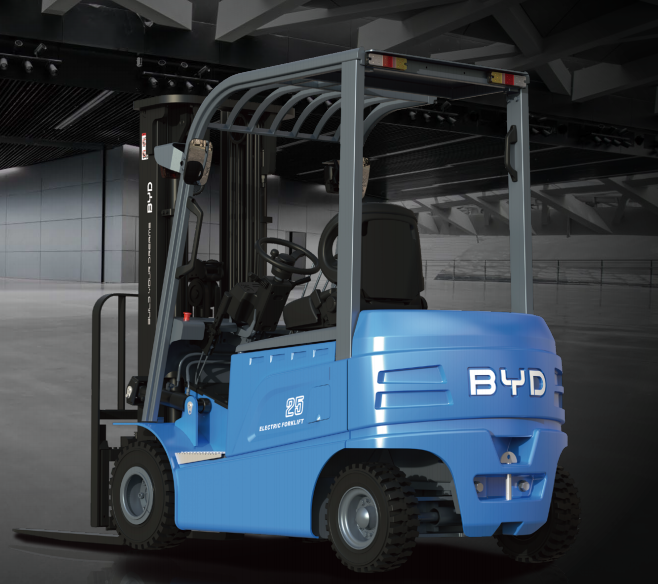
Before lifting a load, adjust the fork width to match the load size. Forks should be spaced evenly and wide enough to support the load securely. If your forklift has manual adjustment, loosen the nuts on top of each fork, slide them to the right position, and tighten back. Some forklifts have hydraulic or lever controls for this. Always check the operator’s manual for your specific forklift.
Proper fork spacing helps balance the load and prevents it from tipping or falling. If the forks are too narrow, the load may shift or fall. Too wide, and the forks may damage the load or reduce stability.
A stable load is key to safe forklift operation. Here are some tips for ensuring stability:
Place the heaviest items at the bottom of the load.
Keep the center of gravity low and toward the rear of the load.
Stack items evenly and neatly.
Use straps or shrink wrap to secure loose items.
Avoid overhanging loads beyond the fork backrest.
Check that the pallet or base is in good condition without cracks or breaks.
When lifting, tilt the mast back slightly to move the combined center of gravity toward the forklift, improving stability. Never tilt the mast forward unless you are placing the load down or inserting the forks under a load.
To load safely:
Approach the load slowly and squarely. Align the forklift so the forks enter the pallet openings straight on.
Insert forks fully under the load. This ensures the load is supported properly.
Lift the load 2-4 inches off the ground. Keep it low to maintain balance and avoid tipping.
Tilt the mast back slightly. This stabilizes the load during transport.
Drive smoothly. Avoid sudden starts, stops, or sharp turns that can shift the load.
If the load blocks your view, drive in reverse. Always look in the direction of travel.
When unloading, reverse these steps:
Position the load over the drop-off point.
Tilt the mast forward to level the forks.
Lower the load slowly and steadily.
Back away straight to avoid knocking the load.
Imagine carrying a stack of boxes. Place the heaviest boxes at the bottom and center them on the pallet. Adjust the forks so they support the pallet evenly. Lift the load just enough to clear the floor, tilt the mast back slightly, and move slowly. This reduces the risk of tipping or dropping the load.
When parking your forklift, always choose a clear, level area. Avoid blocking emergency exits, fire equipment, or refueling points. Parking on uneven or sloped ground can cause the forklift to roll or tip, so level ground is best. Make sure the spot is away from pedestrian traffic and other vehicles to prevent accidents.
Before leaving the forklift, lower the forks completely so the tips rest flat on the ground. This prevents tripping hazards and keeps the forklift stable. If the forks are left raised, someone could trip over them or the forklift could become unstable.
Once parked, shift the transmission into neutral and apply the parking brake fully. Keep your foot on the brake pedal while engaging the parking brake to avoid any movement. If the forklift is powered by LPG, turn off the fuel valve to prevent gas leaks. Finally, turn off the ignition and remove the key to prevent unauthorized use.
If parking on a slope, block the wheels with chocks or blocks to stop the forklift from rolling. Never leave the forklift unattended with the engine running unless you are within 25 feet and can see it.
Tip: Always lower the forks fully and set the parking brake before dismounting to prevent accidental movement or injuries.
Operating a forklift safely means staying alert to potential dangers. One major hazard is tipping over, which can happen if you turn too fast, carry an uneven load, or drive on sloped or uneven surfaces. Always keep your load low and tilted slightly back to improve stability. Watch out for pedestrians, especially at intersections or blind spots, and never overload the forklift beyond its rated capacity. Be cautious on wet or slippery floors, and slow down when approaching corners or ramps. Also, avoid sudden stops or sharp turns that might cause you to lose control or shift the load unexpectedly.
Wearing proper personal protective equipment (PPE) is essential. A hard hat protects your head from falling objects, while safety boots shield your feet from heavy loads or accidents. Gloves help you grip controls and protect your hands, especially when handling rough materials. Depending on your workplace, eye protection and hearing protection may also be necessary. Always wear your seatbelt or safety harness to keep yourself secure in case of a tip-over or sudden stop. PPE helps reduce injury risks and keeps you ready to operate safely.
Knowing what to do in an emergency can save lives. If your forklift begins to tip, do not jump off. Instead, hold on tight and lean away from the direction of the tip to stay inside the protective frame. In case of a fire, shut off the engine immediately and use the nearest fire extinguisher if trained to do so. If you spot a fuel leak or other mechanical problem, stop operating the forklift, set it out of service, and notify a supervisor. Always be aware of emergency exits and keep them clear. Familiarize yourself with workplace emergency plans and procedures before starting your shift.
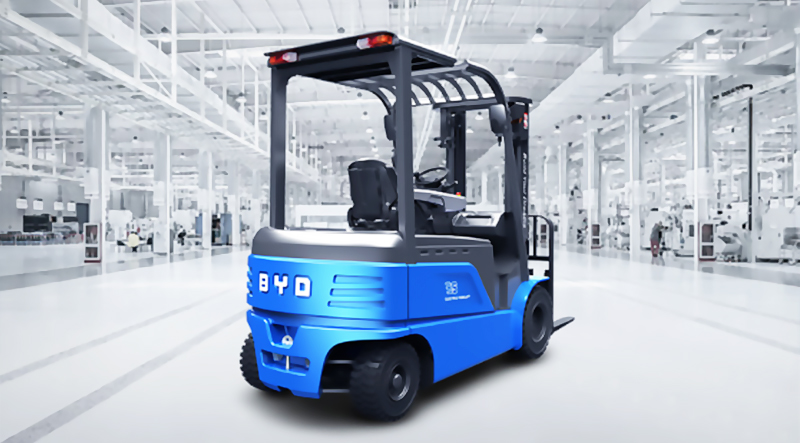
Before operating a forklift, performing a daily inspection is crucial for safety and efficiency. Start by walking around the forklift and checking for visible damage or leaks. Look closely at the forks for cracks or bends. Inspect tires for wear, proper inflation, or damage. Check hydraulic hoses and cylinders for leaks or cracks. Ensure all safety devices, including lights, horn, and backup alarms, function properly.
Inside the cab, test the brakes, steering, and controls. Verify that gauges, such as fuel or battery indicators, show normal readings. Make sure seat belts or safety harnesses are intact and working. Confirm that the overhead guard and load backrest are secure and undamaged. Finally, check fluid levels: engine oil, coolant, transmission fluid, and hydraulic fluid.
If you find any defects or problems during this inspection, report them immediately and do not operate the forklift until repairs are made. Regular inspections help prevent accidents and costly downtime.
Refueling or charging forklifts requires extra care to avoid fires, explosions, or chemical hazards. For internal combustion forklifts, always refuel in well-ventilated areas away from open flames or sparks. Turn off the engine before refueling and never smoke nearby. Clean up any spilled fuel immediately and ensure the fuel tank cap is securely replaced before restarting.
When handling LPG tanks, inspect the tank and hoses for damage or leaks. Wear gloves and protective gear since escaping gas can cause frostbite. Disconnect and reconnect tanks carefully, following manufacturer instructions. If you detect a gas odor, shut off the fuel valve and report the issue.
For electric forklifts, charge batteries only in designated charging stations with proper ventilation. Wear acid-resistant gloves and eye protection when handling batteries. Always add acid to water, never water to acid, to prevent violent reactions. Keep tools and metallic objects away from battery terminals to avoid sparks. Ensure batteries are secured and vent caps are clean to allow safe gas release.
Promptly reporting any forklift issues is essential to maintaining a safe workplace. Operators should notify supervisors of any mechanical problems, unusual noises, or safety hazards found during inspections or operation. Forklifts showing signs of malfunction or damage must be taken out of service immediately.
Repairs must be performed by authorized maintenance personnel using manufacturer-approved parts. Never attempt unauthorized modifications or repairs, as these can compromise safety and void warranties. Keep a log of maintenance and repairs for each forklift to track its condition over time.
Regular maintenance, combined with daily inspections and safe refueling or charging practices, ensures forklifts operate reliably and safely.
Tip: Always complete a thorough daily inspection before use and report any defects immediately to keep forklifts safe and operational.
Operating a forklift safely involves proper mounting, starting, and control techniques. Continued training is crucial for mastering steering, loading, and parking skills. Regular inspections and maintenance ensure safety and efficiency. For reliable forklift solutions, Jiangsu Chejiajia Leasing Co., Ltd. offers products with unique benefits, enhancing workplace safety and productivity.
A: A New Energy Forklift is a type of forklift that uses alternative energy sources, such as electric or hybrid systems, to reduce emissions and increase efficiency.
A: To safely start a New Energy Forklift, ensure the parking brake is engaged, gear is in neutral, and the area is clear. Turn the ignition and check for smooth operation.
A: New Energy Forklifts offer environmental benefits, lower operational costs, and quieter operation compared to traditional fuel-powered forklifts.


