


The automotive industry is rapidly shifting towards sustainability, with hybrid and new energy cars leading the way. These vehicles promise a greener and more economical driving experience. But which is the better option for you?
In this article, we will compare hybrid cars and new energy cars, exploring their key differences, advantages, and drawbacks. By the end, you'll have a clearer idea of which vehicle best meets your needs.
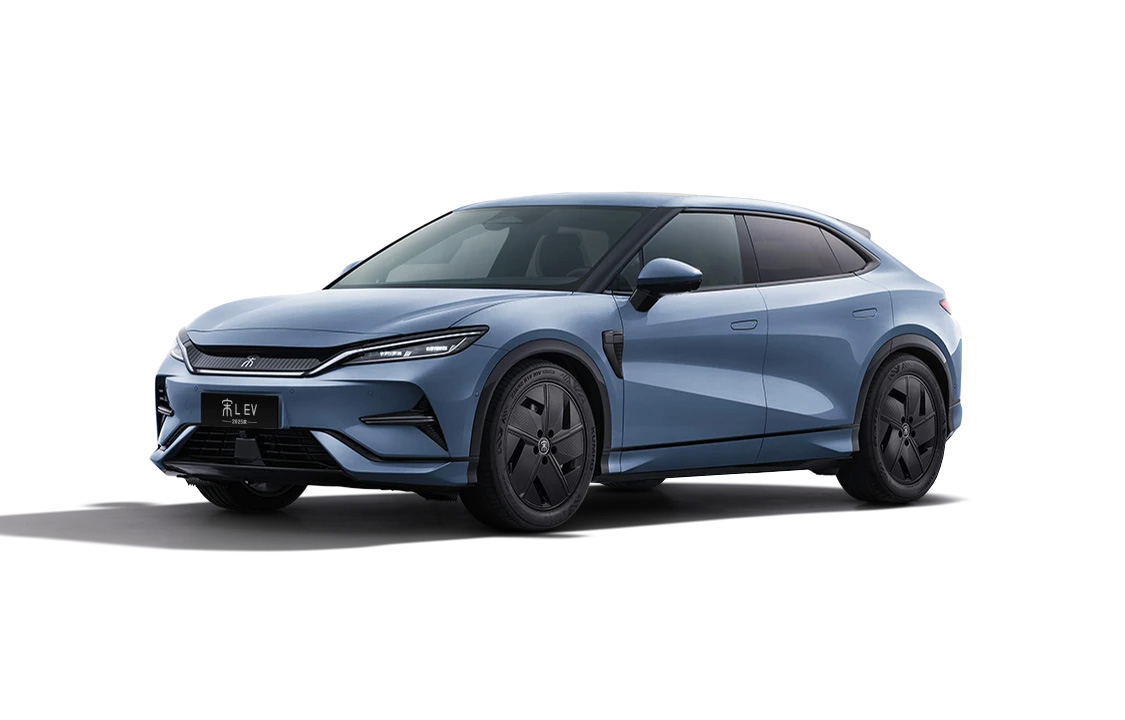
Hybrid cars combine an internal combustion engine (ICE) with an electric motor. These cars have a dual-power system: the electric motor assists the gasoline or diesel engine, improving fuel efficiency and reducing emissions. There are two main types of hybrid vehicles:
● Non-rechargeable hybrids (HEVs): These vehicles recharge their batteries using the energy generated through braking or driving, and they do not require an external power source.
● Plug-in hybrids (PHEVs): These hybrids have larger batteries that can be charged through an electric outlet, allowing them to drive short distances on electric power alone.
While hybrids reduce fuel consumption compared to traditional gasoline-powered cars, they still rely on fossil fuels, especially during longer trips.
New energy cars, particularly electric vehicles (EVs), operate entirely on electricity. These cars are powered by a battery that can be recharged through home charging stations or public charging networks. Unlike hybrids, new energy cars produce zero tailpipe emissions and rely solely on electric motors for propulsion. The most common types of new energy cars include:
● Battery Electric Vehicles (BEVs): Powered exclusively by an electric battery.
● Hydrogen Fuel Cell Vehicles (FCVs): These vehicles use hydrogen gas to generate electricity for the electric motor, emitting only water vapor as a byproduct.
New energy cars are considered the future of the automotive industry, with many manufacturers focusing their efforts on developing efficient and affordable electric and hydrogen-powered vehicles.
Hybrid and new energy cars differ in key areas such as power sources, emissions, and driving range. Below is a comparison of these factors:
Aspect | Hybrid Cars | New Energy Cars |
Power Sources | Use both fuel and electricity | Fully electric or alternative energy sources (e.g., hydrogen) |
Emissions | Emit CO₂ when using the internal combustion engine | Zero emissions, especially in BEVs |
Range | Longer range due to the ability to switch between electric motor and gasoline engine | Limited by battery life, though improving with technology |
One of the most significant advantages of new energy cars is their environmental impact. Electric vehicles (EVs) produce zero emissions, making them ideal for reducing air pollution and improving urban air quality. This is particularly important in cities with stringent emission standards or low-emission zones. By choosing an electric vehicle, you contribute to lowering the carbon footprint and mitigating the effects of climate change.
Tip: If your goal is to reduce your carbon footprint and comply with growing environmental regulations, new energy cars are the clear choice.
Electric vehicles tend to be cheaper to operate in the long run compared to hybrids or traditional vehicles. The primary reason for this is the cost of charging, which is generally lower than fueling a gasoline car. EVs also have fewer moving parts, which means they require less maintenance. For instance, there are no oil changes or spark plug replacements, making routine maintenance less frequent and costly.
● Cost of electricity: Typically, EVs cost around $4 per 100 kilometers, which is significantly cheaper than the $10 or more spent on gasoline for the same distance.
● Maintenance savings: Electric vehicles require fewer parts to be replaced or repaired, leading to lower long-term maintenance costs.
New energy cars offer a driving experience that is smooth, quiet, and responsive. Electric motors provide instant torque, which means that acceleration is swift and seamless. Without the noise and vibrations of a traditional combustion engine, EVs provide a quieter and more comfortable ride. Additionally, many EVs come with advanced technology features, enhancing the driving experience further.
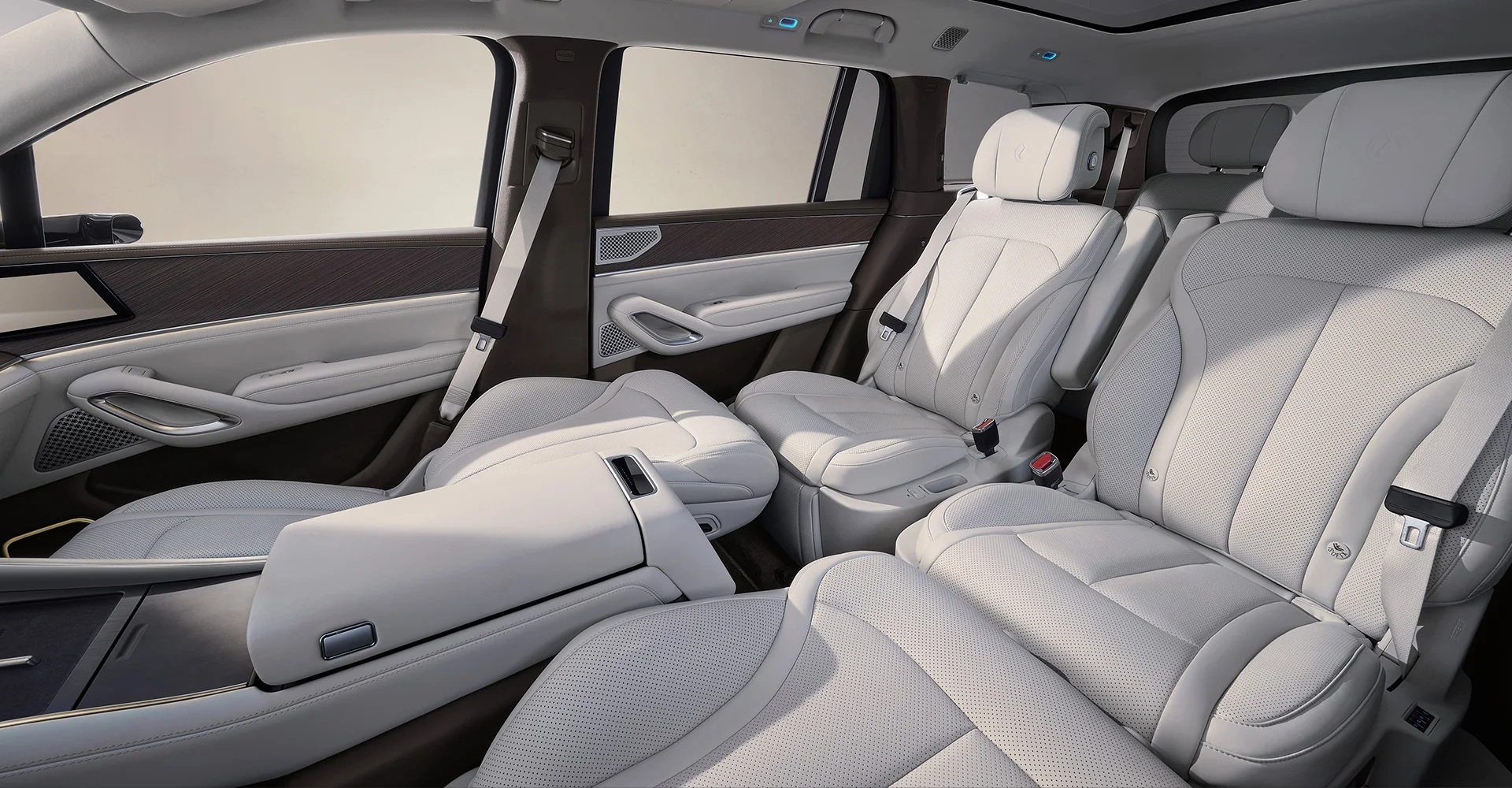
Hybrid cars are often preferred for long-distance driving due to their ability to switch between electric power and gasoline. While the electric motor can handle short trips in the city, the internal combustion engine kicks in when the battery runs out, giving hybrid cars an extended range that pure electric cars cannot match.
For drivers who regularly travel long distances or don't have access to a charging station, hybrids can be a more practical option, providing the flexibility of both electric and gasoline-powered driving.
Tip: If you often travel long distances or live in an area with limited charging stations, a hybrid vehicle might be more suited to your lifestyle.
In urban environments, hybrid cars shine with their fuel efficiency. The electric motor can handle most city driving, such as stop-and-go traffic and short commutes, helping to save on fuel costs. In cities, the electric motor is often used for low-speed driving, reducing the reliance on gasoline and lowering emissions.
However, once the electric battery is depleted, the hybrid car relies on the gasoline engine, so it may not be as efficient on longer drives outside urban areas.
Hybrids are versatile vehicles, well-suited for a wide range of driving conditions. In addition to being efficient in city driving, hybrids also perform well on highways, where their gasoline engines take over. This makes them ideal for individuals who frequently commute in both urban and rural settings or for those who drive long distances.
For city driving, new energy cars, particularly electric vehicles, are a top choice. With their zero emissions, quieter operation, and low maintenance costs, EVs are well-suited for the urban environment. Charging infrastructure is also growing rapidly, making it easier to own and operate an electric vehicle.
If you frequently drive long distances, a hybrid car might be a better choice. The hybrid's ability to switch between electricity and gasoline gives it a longer range than electric vehicles, which can be limited by battery life. Hybrids offer the convenience of not needing to stop for charging during long trips, unlike electric vehicles that may require recharging at charging stations.
The availability of charging stations plays a significant role in deciding between a hybrid and a new energy car. If you live in an area with limited charging infrastructure, a hybrid may be a more practical solution. However, as charging networks continue to expand, owning an electric vehicle becomes increasingly viable for a broader range of drivers.
Factor | Hybrid Cars | New Energy Cars |
Best for | Long-distance driving | City driving |
Emissions | CO₂ emissions from gasoline engine | Zero emissions (electric or hydrogen) |
Fueling/Charging | Fuel stops, no charging required | Requires charging, charging stations needed |
Range | Longer range due to dual power sources | Limited by battery, improving with technology |
While new energy cars tend to have a higher upfront cost, many governments offer incentives and subsidies to help reduce the initial purchase price. These incentives can significantly offset the higher cost of an electric vehicle, making them more affordable in the long run. Hybrid cars, while also eligible for some incentives, generally have a lower starting price but may not benefit as much from government subsidies.
Electric vehicles are generally less expensive to maintain than hybrid cars. Since EVs have fewer parts that require regular maintenance (no engine oil, spark plugs, or exhaust systems), the maintenance costs tend to be lower. Hybrids, on the other hand, have both an electric motor and an internal combustion engine, which means they require maintenance on both systems, leading to higher costs.
EVs offer a lower total cost of ownership due to their lower fueling and maintenance costs. The cost of electricity for EVs is generally much lower than gasoline, and the maintenance needs are far simpler. In comparison, hybrids tend to have higher operational costs due to the complexity of their dual-power systems.
New energy cars, particularly electric vehicles, offer a significant advantage when it comes to reducing emissions. They produce zero tailpipe emissions, helping to improve air quality and reduce the overall carbon footprint. In contrast, hybrids still rely on gasoline to some extent, meaning they produce some level of emissions, though less than traditional gasoline-powered cars.
Over time, electric vehicles contribute significantly to reducing global greenhouse gas emissions. The shift towards fully electric vehicles is key to achieving climate goals and moving towards a cleaner, more sustainable transportation system.
As battery technology improves, the range and efficiency of new energy cars will continue to increase. The future of transportation is shifting towards sustainable, zero-emission vehicles, and new energy cars are well-positioned to lead this transition.
Factor | Hybrid Cars | New Energy Cars |
Emissions | Some CO₂ emissions | Zero emissions |
Long-Term Impact | Less than traditional cars | Significant reduction in emissions |
Sustainability | Moderate (fuel still used) | High (future potential for zero emissions) |
Choosing between a hybrid and a new energy car depends on your driving habits, budget, and access to charging stations. New energy cars are ideal for those prioritizing zero emissions and lower long-term costs. However, hybrids remain a practical choice for long-distance drivers or those with limited charging access. As the market evolves, new energy cars will likely dominate, but hybrids still offer value for those transitioning to sustainable transport. Jiangsu Chejiajia Leasing Co., Ltd. offers eco-friendly leasing options, helping drivers access innovative solutions for a greener future.
A: Hybrid cars combine a gasoline engine with an electric motor, while new energy cars, such as electric vehicles (EVs), run solely on electricity or alternative energy sources like hydrogen.
A: Yes, new energy cars, especially electric vehicles, produce zero emissions, making them a cleaner alternative to hybrid cars, which still rely on gasoline for some power.
A: Hybrid cars use both electricity and gasoline, whereas new energy cars rely entirely on electricity or alternative energy sources for power, offering zero emissions.
A: New energy cars generally have higher upfront costs, but they are cheaper to maintain and operate long-term due to lower fueling costs compared to hybrid cars.
A: As battery technology improves, new energy cars are expected to dominate the market, offering longer ranges, faster charging, and a more sustainable, zero-emission future.


