
Views: 0 Author: Site Editor Publish Time: 2025-12-21 Origin: Site


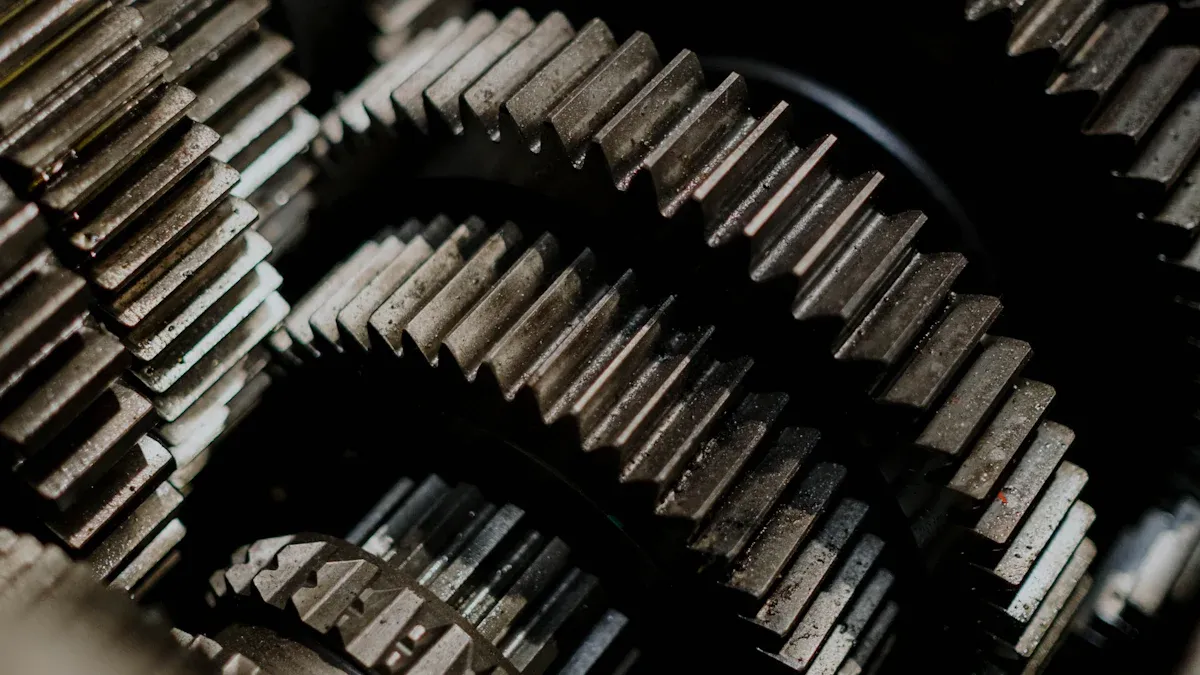
Have you ever thought about why electric cars drive so smoothly? Yes, electric cars have transmissions. They work in a different way than gas-powered cars. Many people believe electric cars do not have transmissions. Most electric cars use single-speed gearboxes. Experts think single-speed transmissions will be 44.1% of the market in 2025. Learning how electric systems work helps you make good choices as a driver.
Electric cars have single-speed transmissions. These give instant torque and smooth acceleration. You do not need to shift gears.
Electric vehicle transmissions have fewer moving parts. This means lower maintenance costs and better reliability than gasoline cars.
Learning how electric car transmissions work helps you choose wisely as a driver. It also helps you enjoy driving more.
Electric vehicle transmissions have a simple design. This helps save energy. More power goes to the wheels.
In the future, electric cars may get multi-speed transmissions. These could help cars perform better at high speeds.
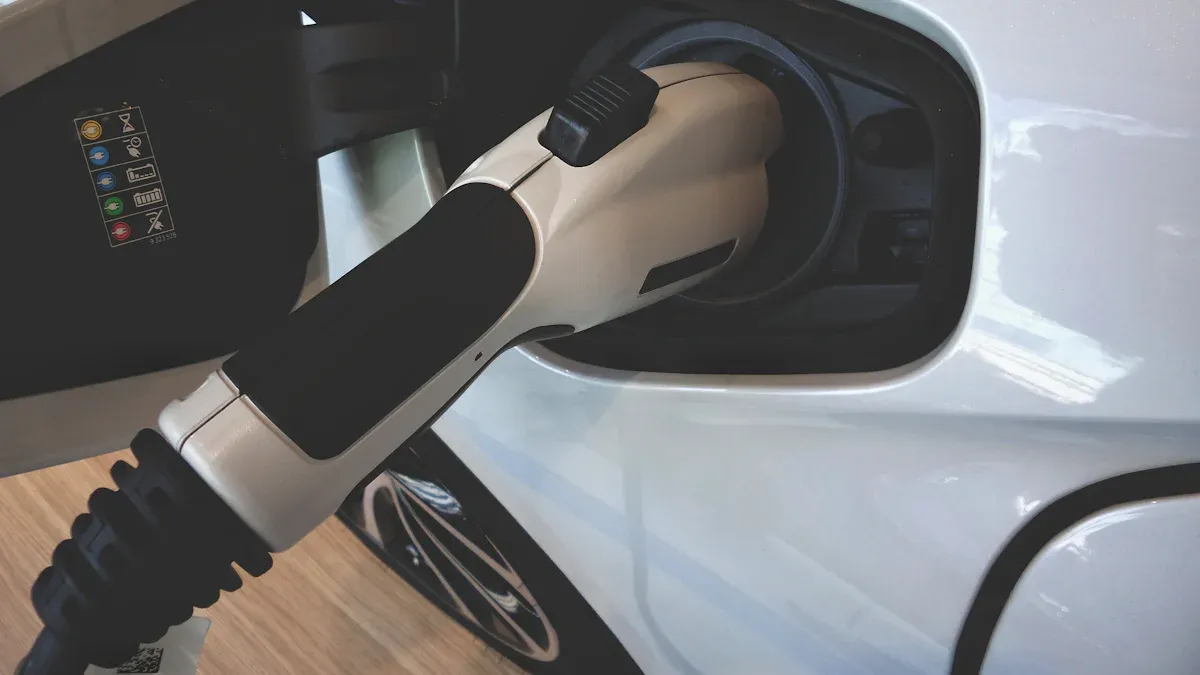
You might ask if electric cars have transmissions. The answer is yes, but they are not the same as in gasoline cars. Electric vehicles usually have a single-speed transmission. This is also called a fixed-ratio transmission. This works because electric motors give power in a special way.
Electric vehicles use a single-speed or fixed-ratio transmission.
Electric motors make maximum torque at many speeds.
Gasoline vehicles need multi-speed transmissions for changing engine power.
Electric motors give you power right away. You do not have to wait for the engine to speed up. This means you get smooth and fast acceleration when you press the pedal. Gasoline engines need different gears for different speeds. That is why regular cars have multi-speed transmissions.
Here is a table that shows how electric vehicle transmissions and gasoline car transmissions are different:
Feature | Electric Vehicles (EVs) | Gasoline Vehicles (ICE) |
|---|---|---|
Power Delivery | Instant torque, smooth acceleration | Torque varies, requires gear shifting |
Transmission Complexity | Single-speed transmission, fewer moving parts | Multi-speed transmission, more complex |
Energy Efficiency | 70% to 98% power transfer to wheels | 12% to 30% fuel conversion efficiency |
Maintenance Needs | Lower due to fewer parts | Higher due to more complex systems |
Ride Experience | Smoother ride with consistent torque | Variable ride experience due to gear shifts |
You can see electric cars give a smoother ride and need less fixing. The electric motor sends most of the battery’s power to the wheels. Gasoline engines lose more energy as heat and need more parts to work well.
Note: Electric vehicle transmissions help battery electric vehicles be more efficient and reliable for everyday driving.
You may wonder why most electric cars use a single-speed transmission and not a multi-speed one. The reason is how the electric motor works. Electric motors do not idle like gasoline engines. They can give torque at any speed, even from a stop.
Electric motors give a wide and flat torque curve.
You get instant power at many speeds.
There is no need for a clutch or torque converter.
The single gear design keeps things simple and efficient.
With a single-speed transmission, you do not need to shift gears. The electric motor gives strong acceleration from zero speed. This makes driving easy and fun. There are also fewer moving parts, so less can break.
The torque curve of an electric motor is not like a gasoline engine. As speed goes up, torque can go down, but the electric motor still gives enough power for most driving. This is why a single gear works well for most electric vehicles today.
Tip: The simple design of electric vehicle transmissions means you spend less time and money on repairs.
In the future, some fast electric cars might use multi-speed transmissions for special reasons. For now, the single-speed transmission gives you a good mix of power, efficiency, and reliability.
Many gasoline cars have multi-speed transmissions. These use several gears to help engines work better. Older cars had only 3 or 4 gears. Newer cars can have 8, 9, or even 10 speeds. More gears help engines run in their best range. This means you use less fuel. You also get smoother driving. On highways, higher gears lower engine speed. This saves fuel and makes rides quieter.
Transmission Type | Typical Number of Gears |
|---|---|
Older Models | 3-4 |
Modern Models | 8-10 |
Multi-speed transmissions help engines work well in many ways.
Extra gears make engines work less and save fuel.
You get faster starts and smoother gear changes.
Electric cars have much simpler transmissions. Most electric vehicles use a single-speed system. The electric motor gives instant power. You do not need many gears. This design is easy to build and fix. Fewer moving parts mean less wear and fewer repairs. Power from the electric motor goes straight to the wheels. You get quick starts and a quiet ride.
Note: Simple electric vehicle transmissions cost less to make and weigh less. This helps batteries work better and makes electric cars more reliable.
Electric vehicle transmissions have far fewer moving parts than gasoline cars. You find about 20 to 25 moving parts in an electric car’s transmission. Gasoline cars can have 200 or even more than 2,000 moving parts. Fewer parts mean fewer things can break. You spend less time and money fixing your car.
Vehicle Type | Number of Moving Parts |
|---|---|
Electric Vehicles (EVs) | 20 to 25 |
Internal Combustion Engine (ICE) Vehicles | 200 to more than 2,000 |
Aspect | Electric Vehicles (EVs) | Traditional Vehicles |
|---|---|---|
Moving Parts | Fewer | More |
Mechanical Failures | Fewer | More |
Maintenance Needs | Less | More |
Electric cars are more reliable because they have simple transmissions. You can drive without worrying about lots of repairs.
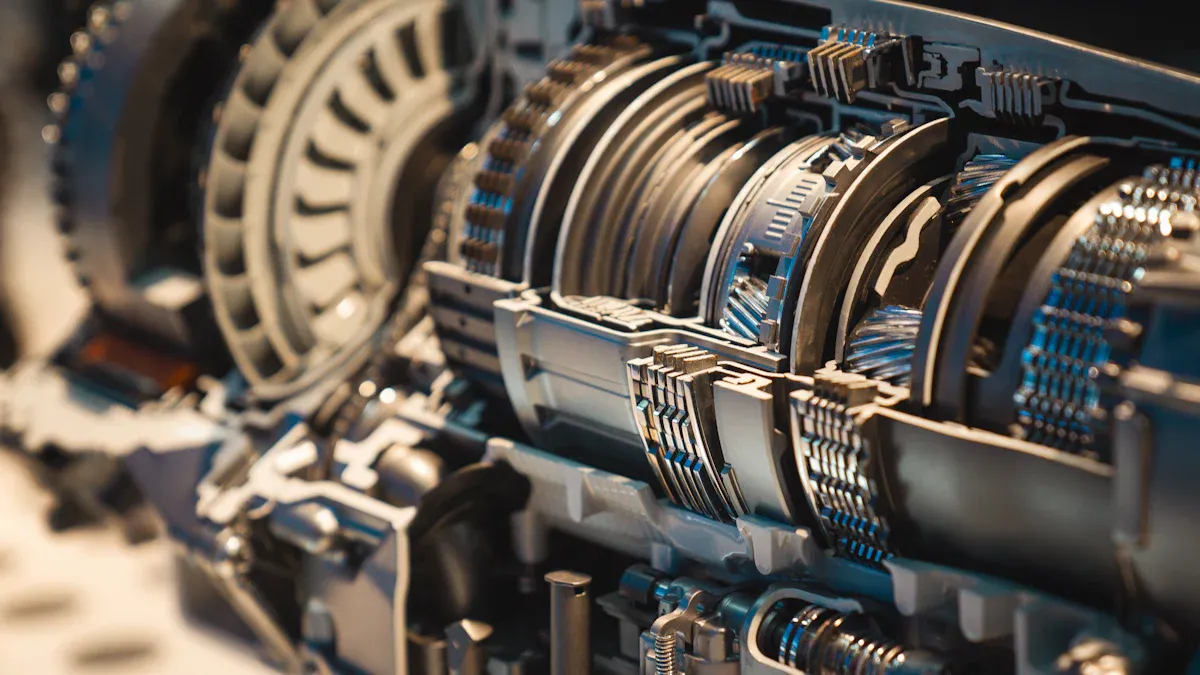
Most electric new energy cars have a single-speed transmission. This works well because electric motors give strong power at any speed. You do not need to change gears while driving. The single gear helps you speed up quickly and smoothly. Over 80% of battery electric vehicles use this system. The electric motor can spin up to 20,000 times each minute. You get instant power for both city and highway trips. The simple design means fewer parts can break. You spend less time getting your car fixed.
Tip: A single-speed transmission makes driving simple and keeps your car working well.
Here are the main types of electric vehicle transmissions:
Single-speed transmissions: Most common because electric motors have a wide power range.
Multi-speed transmissions: Used in some fast cars for more speed and better efficiency.
Some electric cars have multi-speed transmissions. These help the car go faster and use energy better at high speeds. For example, the Porsche Taycan has a two-speed transmission. This gives quicker acceleration and helps the car work better on highways. Multi-speed transmissions are not common. You might see them in sports cars or new models that need extra power.
Model | Transmission Type | Main Benefit |
|---|---|---|
Porsche Taycan | Two-speed | Faster acceleration, efficiency |
Electric car transmissions will keep getting better. New technology will make driving easier and more fun. Companies are making smart systems that use AI to know when your car needs fixing. You may see new materials that make transmissions lighter and stronger. Some research looks at single-speed and power-split transmissions for better driving. Charging is changing too. Wireless charging and battery swap stations will help you keep your car ready. These updates will make electric cars work better and be easier to own.
Note: The future of electric car transmissions will give drivers more choices and better performance.
When you drive an electric car, it feels different. The single-speed transmission gives you power right away. You do not have to shift gears at all. This makes driving simple and smooth. The car reacts fast when you press the pedal. Regenerative braking helps you slow down and save energy. You might need to change how you drive because the car slows down quickly when you lift your foot.
Here is a table that shows how the transmission changes your driving:
Feature | Description |
|---|---|
Single-speed transmission | You get instant torque and quick acceleration. |
Simplified mechanics | No clutch or gears, so driving is smoother and easier. |
Regenerative braking | The car saves energy and changes how you slow down. |
You do not feel gear changes, so the ride stays comfy.
Regenerative braking lets you save energy and enjoy driving more.
Some electric cars can pretend to shift gears for more control.
You do not spend much time or money fixing electric cars. The transmission has fewer moving parts inside. You do not need to change transmission fluid often. For example, Tesla’s Model 3 does not need transmission fluid in its regular service. The Nissan Leaf only needs gearbox fluid checked every 120,000 miles. This means you go to the mechanic less.
Tip: Simple transmissions in electric cars help you avoid expensive repairs and keep your car working longer.
Electric cars are better for the environment when you use them. If you charge your car with clean energy, you make less pollution. Gasoline cars make much more CO2 every mile. Electric cars help you protect the planet and save money.
You will see new technology in electric car transmissions soon. Companies are making two-speed transmissions for better driving. Some cars will use single-speed systems with gear reduction for more efficiency. Electric continuously variable transmissions (e-CVT) will make driving even smoother. You may see electric motors and transmissions put together to make cars lighter and faster. Software will control transmissions and change them for different roads.
Here are some things you can expect:
Smart charging will help you pay less for energy and lower pollution.
More battery electric vehicles will help make prices lower for everyone.
Charging plans and car prices will change how much you spend overall.
You might also use clean energy at home to charge your car. This helps you save money and use less power from the grid. As technology gets better, you will get better performance and pay less.
You can spot big differences between electric and gasoline transmissions.
Feature | Electric Vehicle Transmission | Gasoline Vehicle Transmission |
|---|---|---|
Starting Mechanism | Push a switch or sit in the seat | Push a button or use a key to start |
Initial Motion | You must press the accelerator to move | Car moves forward when you let go of the brake |
Acceleration | Power comes smoothly and quietly | You need to shift gears, which can feel rough |
Gear System | Usually does not have many gears | Has many gears to help the engine work well |
Braking Mechanism | Uses regenerative braking, which is often quieter | Uses regular brakes that squeeze the wheels |
Electric vehicle transmissions help save energy and money. You get a smoother ride and fix your car less often. Car makers are trying new things, like adding more gears and using lighter parts. These upgrades will make electric cars even better for you soon.
You do not have to change transmission fluid much in electric cars. Most electric vehicles have sealed gearboxes that keep fluid inside. Some cars might need a check after driving many miles. Always look at your car’s manual for the right steps.
Most electric cars do not have manual transmissions. Electric motors give power right away, so you do not need to shift gears. A few concept cars might use manual gearboxes, but these are not common.
Electric motors give instant torque to the wheels. This means you get quick acceleration when you press the pedal. Gasoline cars must shift gears, which can slow them down.
Electric car transmissions have fewer moving parts inside. This means less wear and fewer things break. You spend less time getting repairs. Electric transmissions usually last longer than gasoline ones.
Electric cars do not need a separate reverse gear. The motor just spins backward when you pick reverse. This makes going backward easy and smooth.


