
Views: 0 Author: Site Editor Publish Time: 2025-12-12 Origin: Site


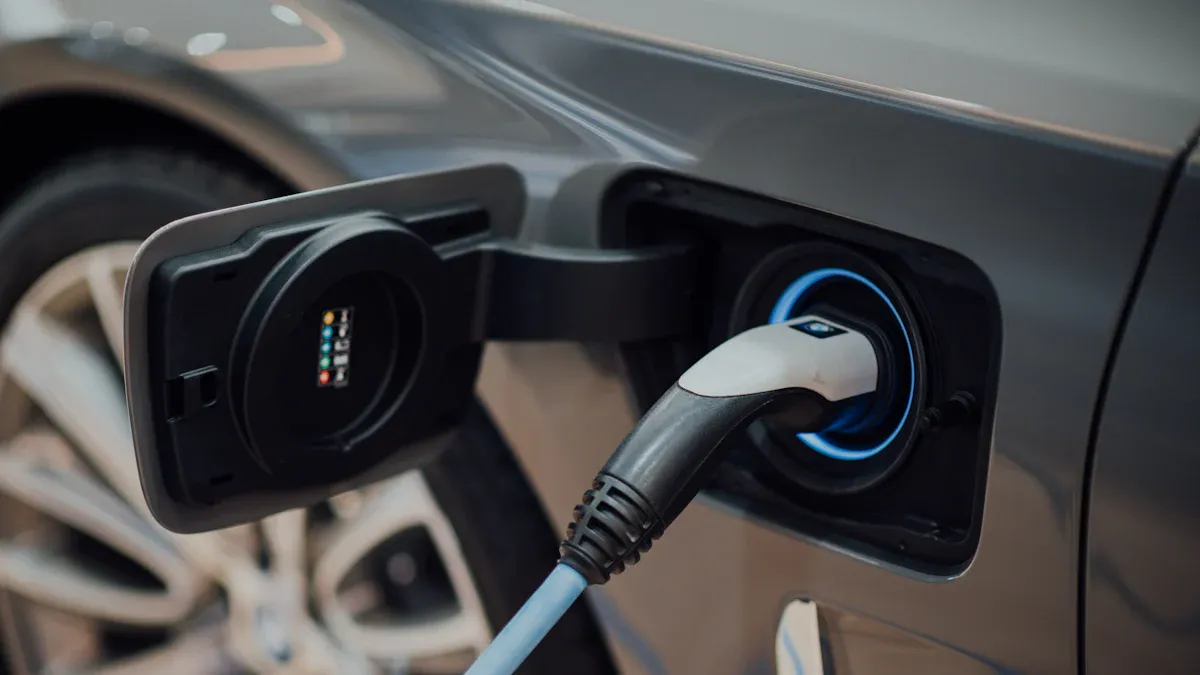
No, electric cars do not need oil changes. Electric cars use a motor instead of an engine. This means they do not have pistons or parts that need oil. Many people pick electric cars because they are simple. They are also easy to take care of. Today, electric vehicles are over 20% of new cars sold in the world. There are about 6.2 million EVs registered in the United States.
Electric cars do not need oil changes. They have electric motors. These motors have fewer moving parts. They do not use engine oil.
Maintenance for electric vehicles is easier. It also happens less often. Most EVs need service every two years. Gas cars need service more often.
You can save money on maintenance with electric cars. The average lifetime maintenance cost for an EV is about $4,600. This is much less than the $9,200 for gas cars.
Regular checks are still important. You should check coolant, brake fluid, and tires. This helps your electric vehicle run well.
Electric vehicles are more reliable. They also perform better. Fewer repairs mean less stress. You can enjoy driving more.
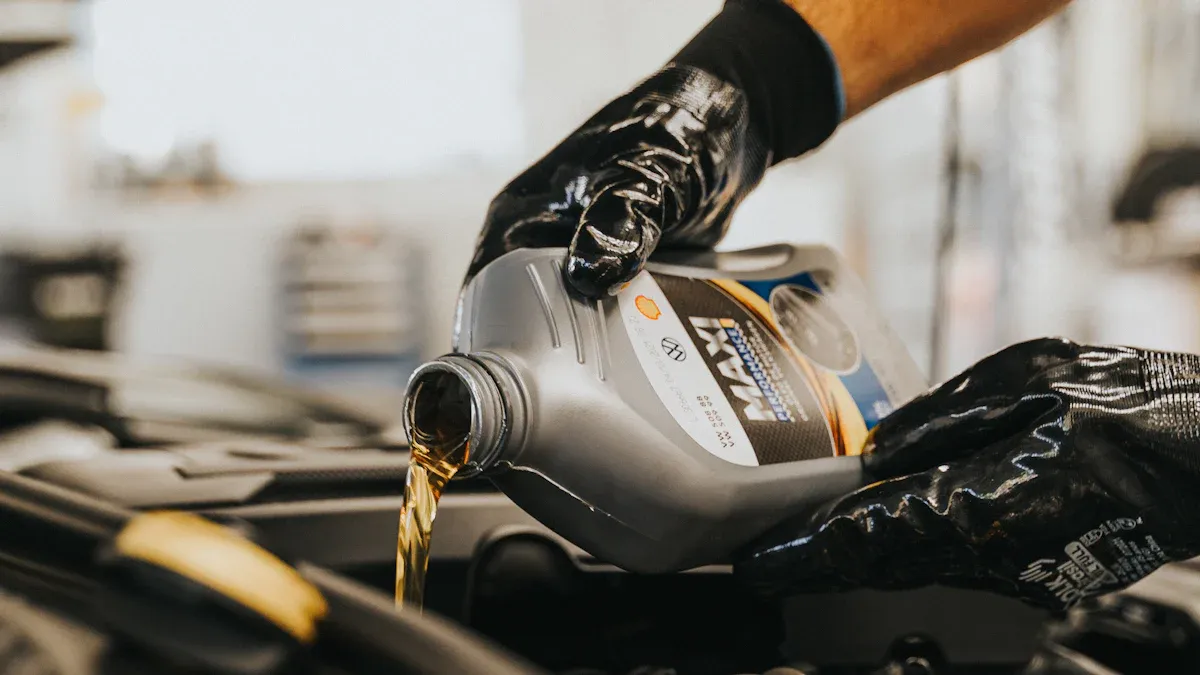
You do not need oil changes for electric cars. Electric vehicles have electric motors, not gas engines. These motors do not have pistons or lots of moving parts. They do not need engine oil to stop friction or damage. Here are some reasons why electric vehicles skip engine oil:
Electric vehicles use electric motors. These motors make less friction than gas engines.
Gas engines have many moving parts. These parts need oil so they do not wear out.
Electric motors do not have the same friction problems. They do not need engine oil.
Electric motors have sealed bearings. These bearings come with grease inside. The grease lasts as long as the motor. You do not need to add oil or change it. This makes electric cars easier to care for. It also helps you save money on maintenance.
Tip: You can save time and money on maintenance with an EV. You do not need oil changes.
You might wonder how electric motors and gas engines are different. The table below shows the main differences:
Feature | Electric Motors | Internal Combustion Engines |
|---|---|---|
Oil Usage | Does not require oil changes | Requires regular oil changes |
Maintenance Complexity | Lower, with around 20 parts | Higher, with over 2,000 parts |
Cost of Maintenance | Less expensive | More expensive |
Exhaust System Replacement | Not required | Requires periodic replacement |
Electric motors have fewer parts than gas engines. This means there are fewer things that can break. Gas engines need oil because they have many moving parts. These parts get hot and rub together. Electric motors do not have these problems. They use grease-lubricated bearings instead of oil. The grease keeps the bearings working well. It stops metal parts from touching each other. This is why electric vehicles do not need oil changes.
Electric motors run cooler than gas engines. They do not need as much lubrication. The design helps electric motors last longer. They also need less maintenance. Owning an electric vehicle is simpler and more convenient.
Most electric cars use a single-speed transmission. Gas vehicles often have multi-speed transmissions. Some electric vehicles use transmission fluid. You do not need to change it as often as in gas cars. The table below shows how often some popular EVs need transmission fluid checks:
Manufacturer | Transmission Fluid Change Interval |
|---|---|
Tesla | Not specified in maintenance manual |
Nissan Leaf | Inspection at up to 120,000 miles |
Hyundai | Every 80,000 miles |
Kia | Every 80,000 miles |
Check your owner's manual to see if your electric vehicle needs transmission fluid service. For many EVs, you may never need to change the fluid. This makes maintenance even easier.
Electric vehicles use special fluids to cool the battery pack and other parts. These fluids help keep the battery safe and working well. This is important during charging or long drives. Follow the maintenance schedule for your EV. This will help keep everything running smoothly.
Note: Always follow your EV’s maintenance guide. This is the best way to care for your battery and other important parts.
It is easy to take care of your electric car. You still need to do regular checks. Here are some important things to remember:
Your electric car uses a special coolant. The coolant keeps the battery pack cool. It also protects other parts from getting too hot. This helps the battery during fast charging. The coolant works with high-voltage parts to keep them safe. Most car makers say to check the coolant every 30,000 to 50,000 miles. You might need to change it every 100,000 to 150,000 miles. Hyundai and Kia want a coolant service at 80,000 miles. Mercedes-Benz says to do it at 124,000 miles.
Tip: Always use the coolant your owner's manual says. This keeps your battery and electric system safe.
EVs use regenerative braking. This makes the brakes last longer than gas cars. You still need to check the brake fluid. Change the brake fluid every 20,000 to 30,000 miles. Checking the fluid helps your brakes work well. Regenerative braking means less wear. But you should not skip brake fluid checks. Corrosion can still happen over time.
You need a clean windshield to drive safely. Check your wiper fluid often. Refill it when it gets low. Change your wiper blades once or twice a year. Cabin air filters also need care. Change them every 2–3 years or every 15,000 to 30,000 miles. Clean air filters help you breathe better. They keep the air inside fresh.
Tires on electric vehicles wear out faster. EVs are heavier because of the battery pack. Instant torque puts more pressure on the tires. Rotate your tires every few months. Follow what your car’s manual says. Rotating tires helps them last longer. Always check your tire pressure. Look for uneven wear on your tires.
Here is a quick list of common electric vehicle maintenance tasks:
Tire rotation and replacement
Brake maintenance
Battery inspection
Software updates
Filter changes
Wiper blade replacement
Fluid checks
Note: Some EVs may need transmission fluid checks. Check your manual for details.
Doing these steps helps your electric car stay safe and run well.
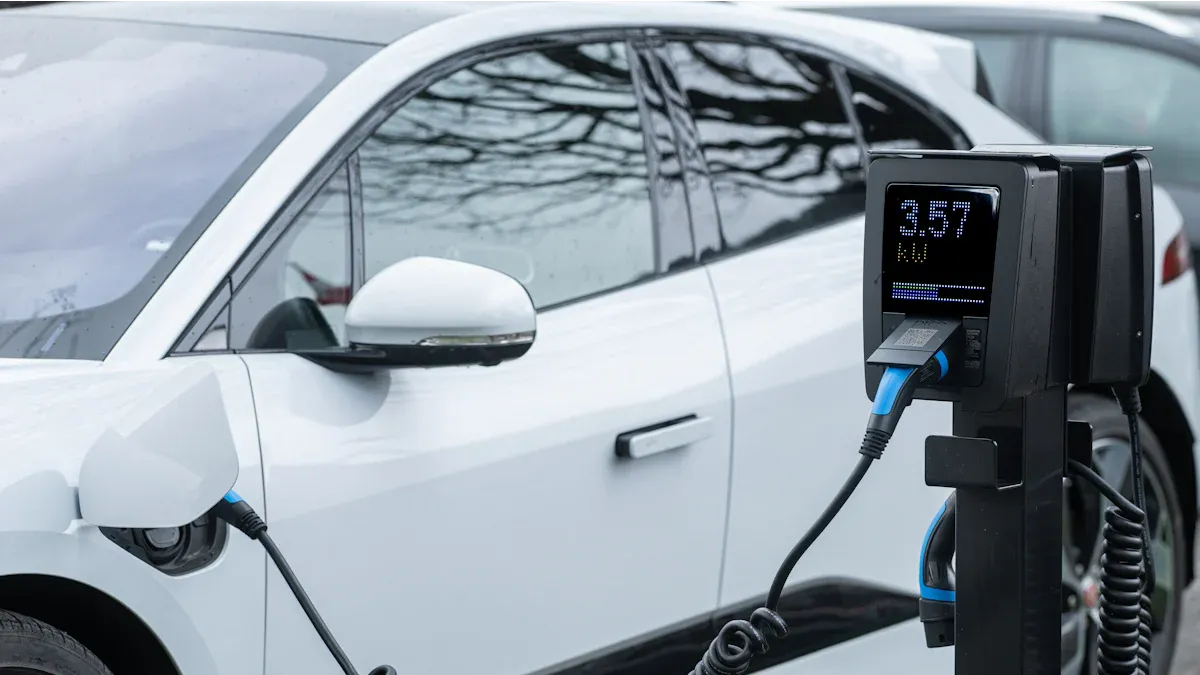
Electric cars have fewer fluids than gas cars. Gas cars need motor oil, coolant, brake fluid, and transmission fluid. Some gas cars also use power steering fluid. Electric vehicles do not need motor oil at all. You only check fluids like coolant and brake fluid. Sometimes you check transmission fluid too. Coolant keeps the battery and other parts cool. Brake fluid helps the brakes work well. Many new electric vehicles have a single-speed transmission. You may never need to change the transmission fluid.
Vehicle Type | Fluid Types Required | Maintenance Complexity |
|---|---|---|
Traditional Cars | Multiple fluids | Higher |
Electric Vehicles | Fewer fluids | Lower |
This simple design saves you time and money on fluid checks.
Electric vehicles have fewer moving parts than gas cars. You do not need oil changes or spark plug replacements. You also do not need valve adjustments. This makes maintenance much easier for you. Most electric vehicles need service every two years. Gas cars need service more often.
Vehicle Type | Maintenance Frequency |
|---|---|
Electric Vehicle (EV) | Every two years |
Gas Vehicle | More regular servicing |
Electric vehicles have fewer moving parts.
They do not need oil changes or spark plug replacements.
They also do not need valve adjustments.
Electric cars need less maintenance than gas cars.
You save money with electric vehicles. The average lifetime maintenance cost for an electric car is about $4,600. A gas car costs around $9,200 over its life. Each year, you spend about $550 on an electric car. You spend about $1,300 each year on a gas car.
Vehicle Type | Average Annual Maintenance Cost | Average Lifetime Maintenance Cost |
|---|---|---|
Electric Vehicle (EV) | $550 | $4,600 |
Gas Car | $1,300 | $9,200 |
Electric vehicles are also more convenient. You do not need to schedule oil changes. You do not worry about exhaust system repairs. Many electric cars get software updates over the air. You do not need to visit the shop as much. Regenerative braking helps your brake pads last longer. This means fewer trips for brake service.
Note: Hybrid vehicles still need oil changes. They have a gasoline engine. Their maintenance is more complex than fully electric vehicles.
Electric cars make maintenance easier, less often, and less expensive.
You do not need oil changes for your electric vehicle. It uses a battery and motor, not an engine with pistons or valves. There are fewer moving parts in your car. This means you spend less time and money on maintenance. You get some good benefits:
Lower maintenance costs
Greater reliability
Better performance
Benefit | Description |
|---|---|
Reduced Maintenance Costs | You pay about half as much for upkeep. |
Increased Reliability | Fewer repairs help you worry less. |
Always follow your car’s maintenance schedule. This keeps your car working well. Electric vehicles make life easier. You can enjoy driving every day.
You do not need oil changes for your electric car. The motor does not use engine oil. This makes caring for your car easier and less expensive.
You should check the coolant every 30,000 to 50,000 miles. Always follow your owner's manual for the best advice. Coolant helps keep your battery safe.
You will not find spark plugs in electric vehicles. The motor uses electricity to move the car. Spark plugs only work in gas engines.
You should focus on tire care, brake fluid checks, and battery inspections. Regular software updates also help your car run well. Always check your manual for details.
You can visit many mechanics for basic care. For special repairs, you may need a shop that knows electric cars. Always ask if the shop has experience with your car.


