
Views: 0 Author: Site Editor Publish Time: 2026-07-09 Origin: Site


Transitioning your operations to an electric fleet represents a critical facility upgrade. A severe mismatch between equipment specifications and facility layout creates immediate bottlenecks. You risk stalled workflows, damaged goods, and wasted resources. Facilities rely heavily on seamless pallet movement. Delays compound quickly across different departments. While electric models eliminate harmful indoor emissions, selecting the optimal unit requires careful technical evaluation. They reduce ambient noise drastically. However, you must calculate facility power capacity accurately. You need to map out exact workflow demands before finalizing your fleet. We understand these daily operational challenges deeply. This guide breaks down the essential technical criteria to steer your evaluation process. We explore battery infrastructure requirements thoroughly. We provide effective procurement frameworks for your management team. You will learn how to evaluate and select the right electric forklift for Warehouse operations. Let us examine the core factors driving a successful equipment implementation.
Focus entirely on operational constraints before browsing equipment specifications. Your building dictates your equipment choices.
Document exact spatial measurements across your entire floor plan. Measure minimum intersecting aisle widths carefully. Check maximum rack heights. Verify all overhead door clearances. Equipment must navigate the most restrictive physical bottleneck smoothly. A slight miscalculation causes severe operational delays. An electric forklift for Warehouse must maneuver freely everywhere. Measure the actual space between stored pallets. Do not just measure the bare steel racks. Account for pallet overhang. Consider the Right Angle Stack (RAS) requirements. This measurement dictates the turning radius needed to retrieve a pallet safely. Mismatched equipment damages your racking infrastructure. It endangers your operators constantly.
The engineering principle of "derating" governs safe lifting capabilities. A forklift rated for 5,000 pounds cannot lift that maximum weight to its highest mast extension. Stability decreases drastically as forks rise higher. The center of gravity shifts upward. Buyers must calculate required capacity at the absolute highest racking tier. Industry safety frameworks emphasize strict adherence to these data plates. Ignoring derating limits causes catastrophic tipovers.
Operating hours strictly dictate your required battery technology. Single-shift operations have vastly different needs than round-the-clock facilities. Shift intensity determines your fleet size directly. It dictates your charging intervals. Heavy usage requires frequent charging sessions. Plan your equipment usage cycle meticulously. A warehouse running three continuous shifts requires a robust strategy. Operators cannot wait for lengthy charging cycles. Staggered breaks provide perfect charging windows. Map out your peak seasonal throughput. Ensure your fleet handles December rushes just as easily as July lulls.
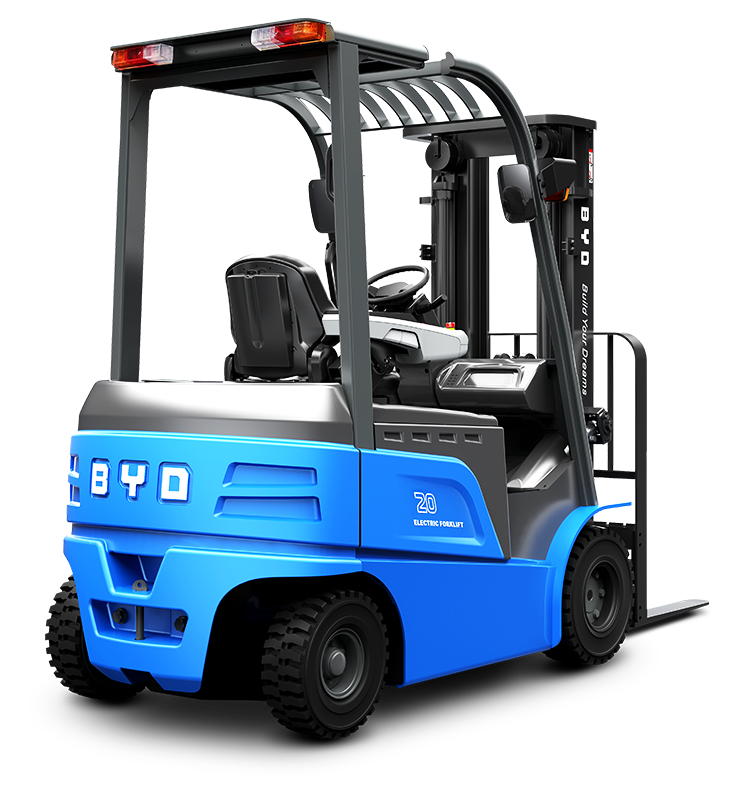
Compare the two primary power sources systematically. Each offers distinct operational workflows.
Lead-acid systems remain common across many traditional facilities. They require dedicated, highly ventilated charging rooms. Hydrogen gas escapes during the charging phase. You must schedule regular distilled watering. This maintains battery cell health. They demand an eight-hour cooling period after every charge. Multi-shift operations necessitate active battery swapping. This physical swapping process interrupts workflow significantly. It requires specialized hoists. Operators spend valuable time exchanging heavy battery units. Poor maintenance degrades their lifespan rapidly. However, they remain highly reliable when maintained properly.
Lithium-ion solutions offer substantial operational flexibility. They require zero watering. They eliminate daily fluid maintenance completely. Operators utilize "opportunity charging" during short breaks. A fifteen-minute coffee break restores significant power. This technology delivers consistent voltage until completely empty. Lead-acid power fades as the shift drags on. Lithium-ion keeps your lift speeds consistent. You recover floor space. You no longer need dedicated battery swapping rooms. You might need electrical grid upgrades to support their fast chargers. Evaluate your infrastructure before switching over.
Advise your maintenance team to conduct an immediate facility power audit. High-frequency fast chargers draw substantial electrical amperage. Older warehouses may require significant electrical panel upgrades. Consult certified commercial electricians. Verify your overall grid capacity. Do this before ordering any high-draw charging stations. You need sufficient three-phase power available. Consider peak demand times. Your utility company monitors total draw. Surpassing peak loads strains your electrical infrastructure. Proper planning prevents unexpected power shortages.
Categorize the available solutions based on specific warehouse applications. Every truck serves a distinct logistical purpose.
Maneuverability contrasts sharply between these two fundamental designs. Three-wheel models offer extremely tight turning radiuses. They pivot seamlessly. They fit perfectly into standard warehouse aisles. Their rear wheel steers the entire chassis smoothly. Four-wheel models provide superior overall stability. Use them on busy loading docks. They handle uneven floor transitions better. They manage heavier, unbalanced loads efficiently. If you load trailers frequently, four-wheel models excel. If you operate strictly indoors in tight spaces, three-wheel units dominate.
Position these specialized units for high-density storage environments. Reach trucks are essential for narrow aisles. They navigate deep racking configurations easily. Their forks extend outward to retrieve pallets. The chassis remains stationary during retrieval. Order pickers elevate the operator alongside the forks. This allows efficient piece-picking fulfillment at extreme elevations. The operator wears a safety harness. They manually load individual boxes onto a floating pallet. Order pickers drive modern e-commerce fulfillment centers. They handle high-volume, low-quantity orders perfectly.
VNA equipment transforms hyper-dense storage warehouses entirely. They operate in incredibly tight spaces. They require wire-guided or rail-guided navigation systems. The floor must remain perfectly flat for safe operation. Laser leveling ensures the concrete meets strict tolerances. Turret trucks rotate their forks 180 degrees. The chassis never needs to turn inside the aisle. They simply glide forward. The mast pivots left or right to grab pallets. This maximizes your total cubic storage volume. You fit more racks into the same building footprint.
| Equipment Type | Ideal Aisle Width | Primary Application | Operator Position |
|---|---|---|---|
| 3-Wheel Counterbalance | 10 to 12 feet | General floor transport, staging | Seated |
| 4-Wheel Counterbalance | 12 to 14 feet | Dock work, heavy loading | Seated |
| Reach Truck | 8 to 10 feet | High-density pallet putaway | Standing |
| VNA Turret Truck | Under 6 feet | Hyper-dense specialized storage | Seated or Elevating |
| Order Picker | Variable | Piece-picking fulfillment | Standing and Elevating |
Focus on features driving safe outcomes. Emphasize risk mitigation and long-term operator retention.
Frame workplace ergonomics as a vital productivity metric. Comfortable operators maintain higher accuracy rates. Fatigue breeds dangerous mistakes. Look for highly adjustable armrests. Demand low step-in heights. This reduces physical strain during constant mounting. Optimized mast visibility reduces awkward neck twisting. Clear sightlines prevent racking collisions. High-quality suspension seats absorb subtle floor vibrations. Standing units should feature thick, anti-fatigue floor mats. These features drastically reduce repetitive strain injuries. They keep your best employees working happily.
Evaluate built-in software capabilities rigorously. Modern fleets generate massive amounts of data. Prioritize systems offering digital pre-shift inspection checklists. Operators complete them directly on a screen. Look for instant impact detection alerts. If an operator hits a rack, managers receive a notification immediately. Battery health monitoring prevents sudden mid-shift failures. Data dashboards help managers optimize daily routing. You track exact usage hours. You identify underutilized equipment quickly. Telematics hold operators accountable for their driving habits.
Industry-standard safety tech prevents accidents actively. They intervene before human error causes damage.
These systems protect your personnel seamlessly. They guard your valuable inventory.
Guide your buying committee through the final decision stages. Navigate commercial realities strategically.
Evaluate this critical decision through an operational lens. Purchasing suits heavy, long-term utilization spanning many years. You own the asset entirely. You modify it freely. Leasing mitigates equipment obsolescence risk. You upgrade to newer technology every few years. It provides maximum fleet flexibility. Leasing often bundles scheduled maintenance into predictable monthly terms. This arrangement suits fluctuating seasonal demands perfectly. You easily add extra units during peak holiday rushes. Return them when volume drops. Determine how long you plan to keep the equipment before deciding.
A forklift remains only as reliable as its service network. Evaluate the local dealer's first-time fix rate carefully. Demand guaranteed technician response times in writing. A four-hour response window is standard for urgent breakdowns. Verify their local replacement parts inventory. Lengthy downtime ruins your daily throughput targets. You need a responsive, localized support team. Ask for references from similar local warehouses. A strong Service Level Agreement (SLA) protects your operations.
Mandate a comprehensive on-site demo before finalizing anything. Equipment must face your facility's actual floors. Test it using your actual pallet loads. Try retrieving pallets from your highest racks. The operators who drive them daily must participate. Gather their direct feedback. Ask them about visibility and steering comfort. Operator buy-in ensures smoother daily usage. If they dislike the controls, productivity drops. Finding the right electric forklift for Warehouse applications means trusting your frontline workers.
Choosing the right electric forklift for a warehouse demands precision. It remains a strict balancing act. You must align spatial constraints with throughput requirements accurately. Your power infrastructure must handle the selected equipment safely. Review your aisle dimensions comprehensively. Evaluate your charging capabilities closely. Understand how different mast types affect overall stability. We encourage you to conduct a thorough site audit immediately. Reach out to a certified local dealer soon. Request a full operational assessment based on your specific shift structure. Proper preparation guarantees long-term operational success.
A: Yes, certain models handle outdoor environments well. While primarily designed for indoor floors, pneumatic-tire electric models exist for specific outdoor applications. They require proper weatherproofing and specific IP ratings to resist moisture. Always verify the manufacturer's outdoor usage guidelines before driving them outside.
A: Daily runtime typically spans six to eight hours depending on usage intensity. Overall lifespan varies significantly by technology. Traditional lead-acid batteries endure approximately 1,500 charging cycles. Modern lithium-ion alternatives often exceed 3,000 cycles. Proper charging habits greatly extend the operational life of any battery system.
A: Minimum requirements vary directly by equipment type. Standard counterbalance models need approximately 12 to 14 feet. Reach trucks require narrower aisles, usually 8 to 10 feet. Very Narrow Aisle (VNA) models operate efficiently in spaces under six feet wide. Always measure your precise racking layout.


