
Views: 0 Author: Site Editor Publish Time: 2026-06-28 Origin: Site


Material handling operations face mounting pressure today. Stricter emission regulations force companies to adapt quickly. Rising fuel expenses squeeze operating margins daily. Enterprises must rethink their fleet strategies now. You need reliable equipment moving your inventory efficiently. The core choice often comes down to two distinct options. You might consider a compact, lithium-ion powered unit. We classify this modern equipment as a small new energy forklift. Alternatively, you might look at traditional internal combustion machines. Legacy lead-acid electric models also fall into this older category. Finding the right fit goes beyond reviewing simple spec sheets. Facility constraints and shift structures dictate your ideal choice. You must weigh initial capital expenditures against ongoing operational thresholds. We will explore how these machines perform in real facilities. You will learn how infrastructure limits impact your final decision. We will guide you through a practical framework for fleet selection. Managers need actionable data for these heavy equipment purchases. You can optimize your warehouse efficiency significantly. Read on to discover the best operational fit.
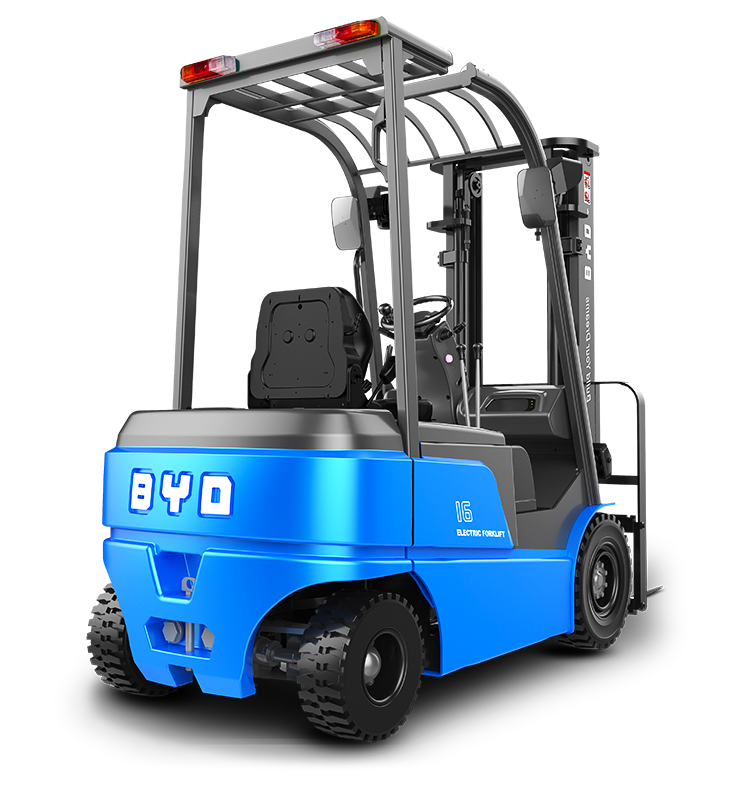
We must first clearly define our equipment categories. Small new energy models rely heavily on modern battery chemistry. Lithium-ion technology dominates this compact equipment sector entirely. These units feature incredibly compact chassis designs. Engineers eliminate the bulky engine block completely. They produce absolutely zero tailpipe emissions indoors. Operators utilize opportunity charging throughout their shifts. You can plug them in during brief rest periods. This charging practice does not damage the internal battery cells. We see these machines excelling in modern indoor logistics centers. They keep facility air quality pristine constantly. They also reduce workplace noise levels significantly. Operators experience less fatigue during long operating hours.
Traditional machines take a completely different mechanical approach. Internal combustion models use propane, diesel, or compressed gas. Older electric models rely on heavy lead-acid batteries. These traditional units deliver massive low-end torque. Operators can refuel propane tanks in mere minutes. You simply swap the empty cylinder for a full one. Drivers resume heavy lifting tasks almost immediately. However, they demand intense maintenance schedules continually. Mechanics must perform regular engine oil changes. They replace air and fuel filters frequently. Belts and spark plugs wear out rapidly. Lead-acid systems also require dangerous watering procedures. Maintenance staff must equalize these older batteries weekly. This traditional approach requires dedicated maintenance personnel constantly.
Initial capital expenditure requires careful financial planning. A modern small new energy forklift carries a premium price tag upfront. You will pay more initially than for combustion equivalents. This higher entry cost deters some buyers initially. You must also account for facility electrical upgrades. Installing specialized charging stations adds to your initial outlay. These heavy-duty stations require professional electrical installation services. You must hire licensed contractors for safe deployment. Planning for these upfront costs prevents budget overruns later.
Operating expenditures paint a very different picture over time. Electricity rates usually remain highly stable locally. Propane and diesel markets fluctuate wildly every season. You can project your electric charging costs accurately. Maintenance demands also shift drastically between the equipment models. Combustion engines require constant mechanic interventions daily. You eliminate spark plug replacements entirely on electric models. You never change dark transmission fluid again. You stop buying replacement engine belts permanently. Lead-acid systems also demand expensive ongoing upkeep tasks. Modern lithium-ion systems eliminate hazardous battery watering completely. You save countless hours of manual labor monthly.
Calculating the return on investment requires analyzing shift volume. Heavy daily usage accelerates your breakeven timeline significantly. A highly utilized electric fleet pays for itself much faster. Many busy facilities see returns in roughly two years. Low utilization stretches this financial timeline out further. You must evaluate your specific daily runtime hours.
| Expenditure Category | Small New Energy Forklift | Traditional IC Forklift |
|---|---|---|
| Initial Capital (CapEx) | Higher upfront cost; requires charging station installation. | Lower upfront cost; utilizes existing fuel infrastructure. |
| Fuel Operating Costs (OpEx) | Highly stable local electricity rates; lower cost per hour. | Volatile market pricing for propane and diesel fuels. |
| Maintenance Costs (OpEx) | Minimal moving parts; zero oil changes or battery watering. | High frequency of oil changes, filters, and belt replacements. |
| ROI Timeline Velocity | Rapid breakeven for multi-shift, high-utilization environments. | Slower breakeven; better suited for very low weekly usage. |
Space optimization remains crucial for modern warehouse layouts. Bulky combustion engines dictate the physical size of traditional models. A compact small new energy forklift lacks this massive engine block. Engineers can design much tighter turning radii safely. You can navigate exceptionally narrow aisles easily. This effectively increases your overall facility storage capacity. You fit more racking into the exact same square footage. You reclaim several feet of space per aisle. Multiply this space saving across fifty storage aisles. You gain massive square footage for new inventory racks. This strategy prevents costly building expansions entirely.
Ventilation compliance introduces serious indoor safety considerations constantly. Regulatory bodies strictly govern indoor air quality everywhere. Combustion engines emit dangerous carbon monoxide gas continuously. Your facility needs massive industrial exhaust fans running constantly. These fans consume massive amounts of facility electricity. A small new energy unit eliminates these dangerous emission risks. You protect your warehouse workforce from toxic fumes entirely. You avoid expensive safety fines during unexpected facility inspections. These modern models also slash facility noise pollution drastically. Workers can communicate clearly across the warehouse floor. This improves overall workplace safety and daily morale.
Infrastructure readiness acts as a massive reality check. We must look closely at your building's electrical panel. Does your older facility have sufficient amperage available? Fast battery chargers draw significant electrical current continuously. You need a comprehensive facility power audit immediately. Do not purchase electric equipment before verifying grid capacity. Upgrading older facility transformers gets very expensive quickly. Some rural buildings lack access to three-phase industrial power. You must discuss these limitations with local utility providers. Failing to audit your infrastructure causes severe deployment delays. We highly recommend hiring an electrician for this verification.
Workflow continuity dictates your daily operational profitability directly. Each machine type handles demanding uptime challenges differently. Traditional models win decisively on instant refueling speeds. Swapping an empty propane tank takes only five minutes. Operators resume their heavy lifting tasks almost immediately. This suits multi-shift outdoor operations perfectly. Some remote sites lack any time for charging breaks. Combustion models keep moving without local grid dependency. They thrive in environments demanding continuous, unbroken driving hours.
Modern lithium systems offer a much smarter alternative indoors. We call this modern process opportunity charging. Operators plug the machine in during quick daily breaks. A simple fifteen-minute coffee break adds meaningful battery capacity. A standard thirty-minute lunch keeps the battery heavily topped up. You sustain multi-shift operations without swapping heavy batteries. You eliminate the need for dangerous battery-swapping rooms entirely. This reclaims even more usable floor space for inventory. Operators simply treat the forklift like a giant smartphone. They charge it whenever it sits idle briefly.
Cold storage introduces highly unique operational hurdles constantly. Legacy lead-acid batteries fail miserably inside large commercial freezers. They lose massive amounts of usable energy capacity quickly. The cold environment slows down their internal chemical reactions. Modern lithium models solve this specific temperature problem completely. They feature specialized internal battery cell heaters actively. These heaters maintain stable cell temperatures constantly during operation. You get consistent lifting performance inside deep freezers daily. Operators notice zero sluggishness or sudden power drops.
Follow these specific best practices when evaluating your shifts:
We built this strict shortlisting logic for qualified evaluations. This framework guides your final equipment selection process clearly. You must match the machine directly to your daily realities. Ignoring these parameters leads to frustrating operational bottlenecks later.
Choose a compact new energy model if these apply:
Stick strictly to traditional combustion models if realities demand it:
Selecting the right material handling equipment takes careful thought. You must balance immediate cash flow realities practically. You must consider long-term operational efficiency goals simultaneously. Facility constraints often dictate your final equipment choice entirely. A compact lithium model transforms indoor warehouse productivity beautifully. It eliminates harmful emissions and slashes daily maintenance routines. Traditional combustion units still conquer rugged outdoor yards effectively. They provide unmatched continuous uptime in harsh exterior environments.
Take immediate action before requesting specific vendor quotes today. Conduct a thorough electrical site audit first this week. Track your current fleet's fuel consumption closely every day. Monitor your existing mechanic repair bills for thirty days straight. This builds an accurate baseline for honest equipment comparison. You can then evaluate new machinery confidently and safely. Make your next heavy fleet decision based on hard data. Proper planning guarantees a highly efficient, profitable warehouse operation.
A: These advanced batteries typically deliver 2,500 to 3,000 charging cycles reliably. This lifespan roughly translates to seven to ten years of standard operational use. They experience significantly less capacity degradation over time compared to older lead-acid alternatives. You rarely need to replace them during the primary lifespan of the chassis.
A: Yes. Modern electric chassis feature heavily sealed internal components. They carry strong IP ratings for safe outdoor weather exposure. You can drive them across paved loading docks during rain. However, deep mud or highly uneven terrain still strongly favors pneumatic-tire combustion trucks.
A: Many local municipalities offer valuable tax rebates currently. Federal programs frequently provide grants for transitioning toward zero-emission fleets. These financial incentives help offset the higher initial capital expenditures. You should always consult your local environmental agencies regarding available equipment modernization grants.


