
Views: 0 Author: Site Editor Publish Time: 2026-06-29 Origin: Site


The transition to new energy fleets has moved past the early adopter phase. Facility managers now face urgent operational shifts requiring immediate action. You no longer need to decide if you should electrify your warehouse operations. The focus now centers entirely on execution and deployment strategy.
Strict indoor air quality mandates heavily shape 2026 material handling strategies. High-density warehouse constraints also dictate equipment dimension requirements. Rapid market revisions demand equipment capable of handling grueling multi-shift environments. Managers must adapt to these changing regulatory landscapes quickly. You must select equipment capable of meeting strict performance thresholds.
This guide breaks down verifiable advancements in compact electric material handling technology. You will learn strict evaluation frameworks to separate marketing hype from operational reality. We will explore how to confidently evaluate and select the right small new energy forklift for your facility.
Fleet upgrades must address core operational friction directly. Emissions reduction alone falls short of modern business demands. You must solve acute operational bottlenecks across your facility. Aisle width constraints dictate exact equipment dimensions. Multi-shift duty cycles demand continuous equipment availability. Labor shortages force facilities to maximize individual operator productivity. Upgraded equipment must directly enhance your daily throughput metrics.
Regulatory environments continue to evolve rapidly globally. Indoor air quality mandates grow stricter every single year. Warehouses face intense scrutiny regarding employee health metrics. Corporate sustainability reporting demands verifiable energy usage data. Regulators expect transparent emissions tracking. A modern fleet addresses these compliance burdens proactively. You must stay ahead of upcoming 2026 environmental regulations.
Establish strong baselines before evaluating any vendor proposals. Document your current operational performance metrics thoroughly. Track baseline energy consumption across all working shifts. Calculate expected throughput increases based on future volume projections. You need hard empirical data to measure upgrade success. Subjective evaluations lead to poor procurement decisions. Understand your current facility limitations completely.
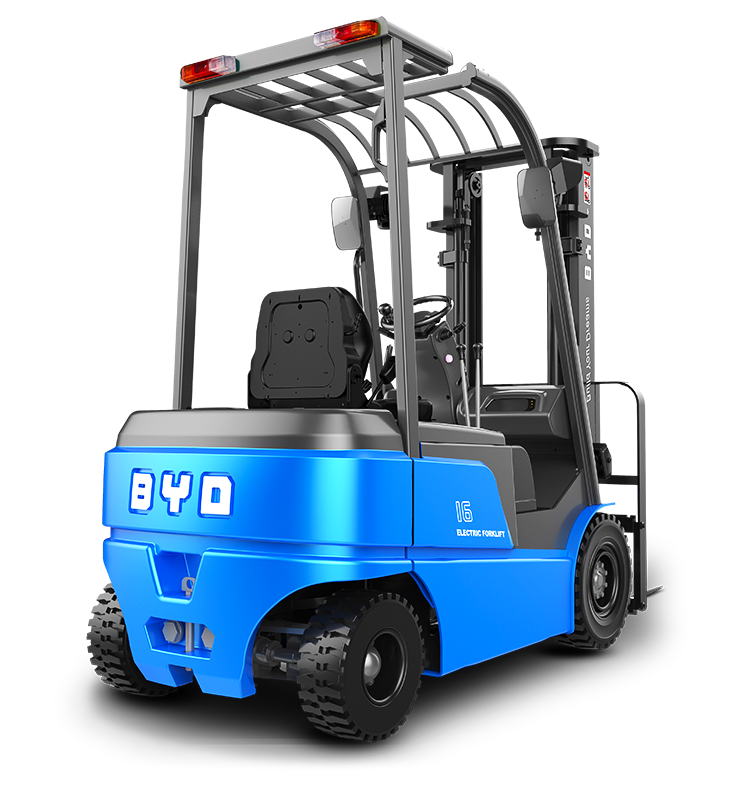
Modern lithium-ion systems demonstrate incredible technological maturation. Third-generation battery management systems monitor thermal stability continuously. They optimize opportunity charging during short operational pauses. You can integrate a small new energy forklift seamlessly into demanding environments. Advanced lithium iron phosphate chemistries offer exceptional lifecycle longevity. They resist degradation even under aggressive charging habits.
Alternative energy sources generate significant industry discussion today. Hydrogen fuel cells and solid-state batteries show theoretical promise. We must take a realistic look at these alternatives. Hydrogen often lacks essential infrastructure viability. Small-to-medium fleet deployments struggle to justify hydrogen storage facilities. Solid-state technology remains largely in early commercial testing phases. Proven lithium-ion systems remain the most practical choice today.
Deployment involves hidden operational infrastructure considerations. Evaluate your facility grid capacity immediately. Dedicated charging zones require distinct safety protocols. Decentralized charging points offer greater operational flexibility. Peak-shaving strategies prevent grid overload during shift changes. You must map these infrastructure demands accurately. Smart chargers communicate directly to balance grid loads dynamically.
Beware of aggressive zero downtime marketing claims. True zero downtime rarely exists in practical warehouse applications. Map out your actual daily duty cycles carefully. Compare these cycles against verifiable equipment recharge rates. Real-world operations involve unpredictable delays and extended operational peaks. Give your fleet a realistic operational buffer.
| Technology Type | Infrastructure Viability | Fleet Suitability | Deployment Readiness |
|---|---|---|---|
| Third-Gen Lithium-Ion | High (Requires smart chargers) | Excellent for high-density fleets | Immediate (Fully matured) |
| Hydrogen Fuel Cell | Low (Requires on-site storage) | Limited for small deployments | Requires massive facility overhauls |
| Solid-State Batteries | Medium (Standard grid limits) | Theoretical high performance | Still in commercial testing |
Modern telematics transcend basic location tracking capabilities. Equipment now functions as sophisticated diagnostic tools. 2026 telematics utilize deep CAN bus integration. Sensors forecast component failure long before breakdowns occur. Systems analyze motor temperature and vibration anomalies continuously. This predictive action replaces outdated usage-hour logging methods. Proactive maintenance prevents unexpected mid-shift equipment failures.
Software interoperability remains an absolute necessity. Closed ecosystems severely limit your operational agility. Prioritize open API architectures during procurement evaluations. You must prevent restrictive vendor lock-in completely. Fleet managers need seamless data flow across platforms. Forklift data must integrate directly into existing Warehouse Management Systems. ERP integration allows comprehensive resource and energy planning.
Connected vehicles introduce new security vulnerabilities. Every small new energy forklift operates as a networked IoT device. You must evaluate manufacturer data encryption protocols strictly. End-to-end encryption secures sensitive operational data effectively. Ensure strict compliance against regional data privacy laws. Unsecured equipment presents a massive corporate risk today. IT departments must vet telematics platforms rigorously.
Passive safety features like seatbelts remain necessary. However, 2026 demands active collision mitigation systems. AI-driven pedestrian detection identifies hazards dynamically. Cameras differentiate between humans and stationary warehouse objects. Dynamic speed limitation reacts to environmental triggers instantly. Equipment automatically slows down in high-traffic zones. Cornering speeds decrease without operator intervention. These systems remove human error from critical safety equations.
Operator comfort directly influences daily productivity metrics. Ergonomics serve as a powerful employee retention tool. Advanced hydraulic dampening absorbs harsh floor impacts. Cabin isolation reduces whole-body vibration significantly. Intuitive control layouts minimize repetitive strain injuries. Comfortable operators maintain higher focus levels throughout long shifts. Fatigue reduction prevents accidents caused by delayed reaction times.
Safety innovations must align properly across standard frameworks. Ensure your equipment meets upcoming 2026 regional safety mandates. Verify compliance against updated ISO safety standards carefully. ISO 3691-4 outlines specific autonomous and semi-autonomous safety parameters. Integrated safety technologies should exceed baseline compliance requirements. Proactive compliance prevents future operational disruptions. Regulatory bodies continuously update warehouse equipment safety guidelines.
Procurement requires disciplined logical frameworks. Do not buy technology purely for technology's sake. Map every feature directly to tangible business outcomes. Telematics must yield measurable results. Aim for a specific reduction in daily idle time. Tie dynamic routing features to shorter travel distances. You must justify every technological capability through operational improvements.
Build a comprehensive vendor comparison matrix. Look far beyond the initial equipment specifications. Track expected battery replacement cycles closely. Calculate facility electrical retrofit requirements carefully. Evaluate software licensing models for fleet management dashboards. Review local dealership service SLA guarantees rigorously. High operational uptime depends heavily on local dealer responsiveness. Establish clear timelines for emergency technician dispatches.
Never skip the pilot testing phase. A 30-day single-unit pilot is absolutely mandatory. You must observe the equipment under actual facility conditions. Monitor daily charging habits and operator acceptance levels. Validate telematics data accuracy during this period. Committing to a multi-unit deployment requires hard empirical evidence. Pilot tests reveal hidden operational frictions quickly.
Upgrading your warehouse fleet demands strict scrutiny. Selecting a reliable small new energy forklift requires a rigorous approach. You must remain skeptical of inflated battery lifecycles. Software integration capabilities demand thorough technical validation. Actual infrastructure readiness often dictates ultimate project success. Proper evaluation prevents long-term operational headaches. Always prioritize empirical evidence over aggressive marketing materials.
Prepare your facility proactively for upcoming deployments. Audit your current electrical grid capacity today. Gather detailed shift duty cycle data immediately. Compile these metrics before requesting vendor RFPs. Solid data empowers your final procurement negotiations. Clear baselines help you identify the most capable equipment partners.
Take the next critical step toward modernization. View detailed technical spec sheets online. Contact a qualified sales engineer for a comprehensive facility audit. Analyze your exact operational requirements carefully. Start building your modern fleet framework now. Your operational efficiency depends on decisive action.
A: Proper opportunity charging dictates actual battery lifespan. You can expect newer lithium-ion units to endure thousands of charge cycles before degrading. Regular top-ups during breaks prevent damaging deep discharges. This habit extends longevity significantly. Manage your charging windows well to maximize operational uptime.
A: This depends entirely on your fleet size and shift schedules. Smart chargers easily manage peak loads. They distribute power dynamically during off-peak hours. You can often deploy a new fleet without immediate grid overhauls. Consult an electrical engineer to assess your specific facility limits.
A: Most modern equipment features open API architectures. You can successfully connect this data into legacy platforms. Always verify software compatibility during your initial RFP stage. Testing these integrations early prevents complex middleware development later. Ask vendors for documented API endpoints before final selection.


