
Views: 0 Author: Site Editor Publish Time: 2026-07-10 Origin: Site


Upgrading or expanding a warehouse fleet represents a high-stakes capital expenditure. The choice of power source dictates long-term operating costs, facility safety, and throughput efficiency. Evaluating these factors carefully ensures your facility operates at peak productivity without unexpected financial drains. While modern warehouses increasingly shift toward electric fleets to meet environmental and noise compliance, internal combustion models still hold ground for specific operational profiles. Managers often struggle to weigh upfront investments against ongoing maintenance and fuel requirements. We aim to provide a transparent, evidence-based breakdown of the pros and cons of both options. You need reliable data to calculate lifecycle expenses and make a defensible fleet decision. We will explore compliance pressures, financial framing, and infrastructure realities. You will learn how to evaluate these power sources against your specific shift schedules and facility constraints. This guide equips you with the exact framework required to optimize your next forklift acquisition.
Regulatory pressures heavily influence modern equipment choices. OSHA strictly monitors indoor air quality. Internal combustion engines emit carbon monoxide during standard operation. You must maintain heavy-duty HVAC systems to run gas forklifts indoors safely. Electric models eliminate this hazard entirely. This simple shift drastically reduces compliance risks. Local municipalities frequently update emissions standards. This forces warehouses to adapt quickly. Failing to comply results in heavy fines. A proactive approach prevents future legal complications.
Financial framing balances two distinct categories. CapEx includes the equipment and facility infrastructure. OpEx covers fuel, energy, maintenance, and downtime. Evaluating these elements side-by-side reveals the true financial burden. Capital expenditures happen once. Operational expenses drain budgets continuously. Propane requires constant purchasing. Electricity bills arrive monthly but represent a fraction of fuel costs. Facility upgrades also fall under capital costs. Upgrading electrical panels demands significant upfront cash. Building outdoor fuel cages requires permits and labor.
Operational throughput depends heavily on your shift structure. Single-shift operations easily accommodate battery charging overnight. Multi-shift environments complicate this process. You must weigh battery swapping delays against rapid propane tank replacements. Multi-shift warehouses operate relentlessly. Every minute of downtime hurts profitability. Propane shines in these high-intensity environments. Workers swap tanks in five minutes. They return to the floor immediately. Electric models demand complex battery management. Facilities must rotate batteries meticulously to prevent fleet bottlenecks.
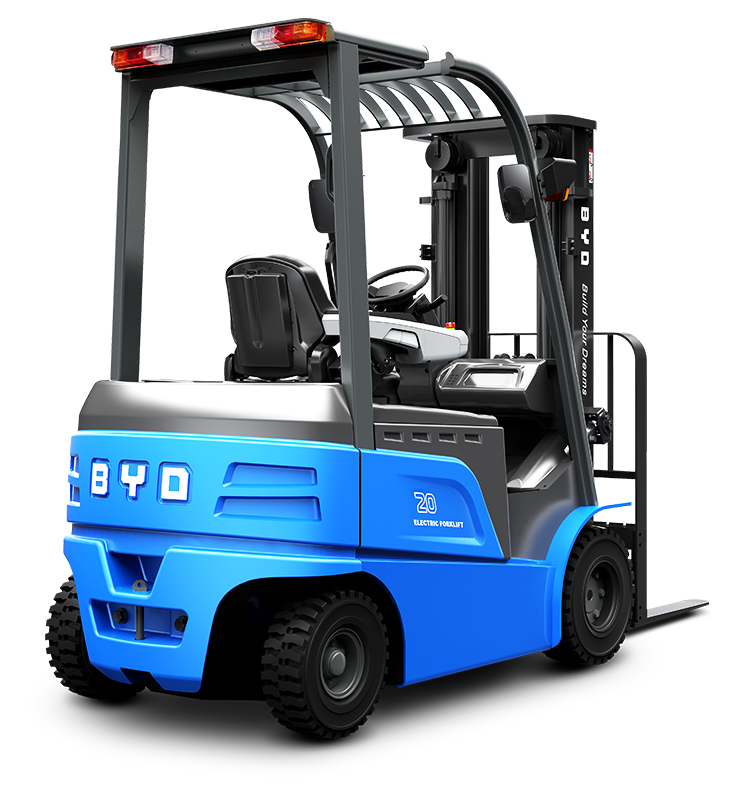
Understanding the precise benefits and drawbacks helps clarify your purchasing strategy. These units dominate modern indoor facilities for several critical reasons.
Best Practices: Implement strict charging schedules. This maximizes lead-acid battery lifespan and ensures fleet availability.
Common Mistakes: Operators often ignore the required cool-down period. This permanently damages battery cell capacity.
Internal combustion engines remain a viable choice for specific operational profiles. They provide distinct advantages regarding raw power and immediate availability.
Let us benchmark the financial impact over time. Acquisition costs differ wildly between the two platforms. You buy equipment plus batteries and chargers for electric models. You buy equipment plus fuel cages for gas models. These initial figures paint an incomplete picture.
Energy and fuel calculations require specific formulas. You calculate daily kilowatt-hour costs based on operating hours. You multiply the battery voltage by amp-hour capacity. You convert this to kilowatt-hours and multiply by your local utility rate. Compare this against daily liquid propane consumption. Multiply the tanks consumed by your vendor refill rate. You will quickly notice a massive gap in daily operating expenses.
Maintenance schedules diverge over a five-year projection. Electric motors generally outlast internal combustion engines. They thrive in clean, indoor environments. Gas engines inhale dust and debris. This degrades internal components over time.
The break-even point highlights the long-term value. High-use facilities run equipment heavily annually. They recoup electric vehicle premiums quickly. Low-use facilities take much longer to see returns. You must calculate this timeline before signing purchase orders.
| Metric | Electric Forklift | Gas/Propane Forklift |
|---|---|---|
| Initial Equipment CapEx | High (Includes battery & charger) | Low (Machine only) |
| Energy/Fuel Costs | Low (Stable electricity rates) | High (Volatile fuel market) |
| Maintenance Frequency | Low (Fewer moving parts) | High (Fluid changes, filters) |
| Break-Even Timeline | 18–24 months (High usage) | N/A (Costs scale indefinitely) |
| Maintenance Task | Electric Requirement | Gas/Propane Requirement |
|---|---|---|
| Engine Oil & Filter Changes | None | Every 250 - 500 hours |
| Battery Watering/Cleaning | Weekly (Lead-acid only) | Minimal (Starter battery only) |
| Spark Plugs & Belts | None | Annually |
| Coolant Flushes | None | Every 2,000 hours |
Adoption introduces specific facility challenges. You must assess your building’s electrical grid for electric fleets. Contact your utility provider early. Request a peak load analysis. Many older buildings lack three-phase power. Installing new transformers requires municipal approval. It also delays implementation timelines. Charging a full fleet simultaneously strains standard grids significantly.
Gas adoption carries different operational risks. You face strict zoning and safety compliance rules. Storing highly combustible liquid propane on-site requires careful planning. Fire marshals dictate storage cage placements. Cages must sit away from building entrances. They require impact protection bollards. You must secure tanks against theft or tampering.
Change management remains a critical hurdle. Training prevents catastrophic accidents. Battery acid causes severe chemical burns. Operators must wear protective gear during watering. Propane presents freeze burn hazards. Leaking valves can ignite instantly. You must document all safety certifications diligently.
You need clear criteria to make a final choice. Review these parameters against your current operational reality.
Neither option is universally superior. The best forklift aligns closely with your facility infrastructure. It must match your shift schedule and internal financial modeling limits. Balancing initial capital expenditures against ongoing operational expenses remains critical. Decision-makers should conduct a comprehensive site audit. Evaluate your electrical capacity and ventilation systems carefully. Review your daily shift hours extensively before requesting vendor quotes. Encourage your operations team to perform a detailed financial assessment. We provide detailed warehouse fleet audits. We help you navigate these complex equipment decisions effectively. Reach out to our specialists to tailor a solution for your specific facility needs.
A: Standard lead-acid batteries average 1,500 charging cycles. This translates to roughly five years of use. Lithium-ion options offer a much longer lifespan. Properly maintained internal combustion engines often surpass 10,000 operating hours. Your operational intensity dictates the actual lifespan of either power source.
A: Certain pneumatic-tire electric models exist for outdoor applications. However, standard cushion-tire warehouse electrics should remain indoors. They perform best on smooth, sealed concrete floors. Rough outdoor terrain and moisture can damage indoor-rated equipment quickly.
A: Electricity is significantly cheaper per operating hour than propane. Propane prices fluctuate based on broader fuel markets. Industrial electricity rates remain relatively stable. Over time, the energy savings from electricity far outweigh ongoing liquid propane purchases.
A: The forklift itself requires zero facility ventilation during active operation. However, traditional lead-acid batteries require well-ventilated charging rooms. They release off-gases during the charging cycle. Lithium-ion batteries generally eliminate this specific ventilation requirement.


