
Views: 0 Author: Site Editor Publish Time: 2026-07-08 Origin: Site


The transition from internal combustion to electric fleets has officially passed the tipping point. Stricter emissions mandates and evolving lithium-ion technology drive this massive industry shift. For procurement directors and warehouse managers in 2026, the core decision has fundamentally changed. You no longer ask whether you should go electric. Instead, you must determine which platform delivers maximum operational efficiency without disrupting shift availability.
Finding the right equipment requires looking past flashy spec sheets. This guide bypasses typical manufacturer marketing to give you a clear, standardized evaluation framework. We will help you confidently shortlist an electric forklift for Warehouse operations based on specific, measurable criteria. You will discover how to assess infrastructure readiness, interpret raw mechanic feedback, and evaluate real-world throughput metrics.
Evaluating fleet upgrades requires robust operational modeling. You must look beyond basic specifications to understand true long-term value. Start by calculating expected energy consumption per shift. Electric equipment features far fewer moving parts than internal combustion alternatives. This streamlined design inherently reduces mechanical failure points. You should model these expected maintenance reductions accurately. Also, factor in the expected residual lifespan of the equipment.
You will typically choose between lithium-ion and lead-acid technologies. Each chemistry dictates your daily operational workflows.
Common Mistake: Do not dismiss lead-acid entirely. Facilities running light, single-shift operations often over-engineer their fleets by demanding lithium-ion unnecessarily.
Telematics and software constraints heavily influence your long-term success. You must evaluate manufacturers based on strict data transparency. Avoid brands locking operators into proprietary diagnostic tools. Subscription-based software often prevents in-house mechanics from performing basic resets. This friction causes unacceptable equipment downtime. Your technicians must possess the ability to read and clear standard error codes locally.
Selecting the ideal vehicle category depends entirely on your specific application. We generally divide these vehicles into three primary operational segments.
These models excel in highly congested spaces. They provide incredibly tight turning radiuses. You will find them ideal for indoor dock-to-stock applications. They navigate crowded staging areas effortlessly. However, they carry distinct physical limitations. They feature lower maximum weight capacities. They also lack stability on uneven floor surfaces or outdoor terrain.
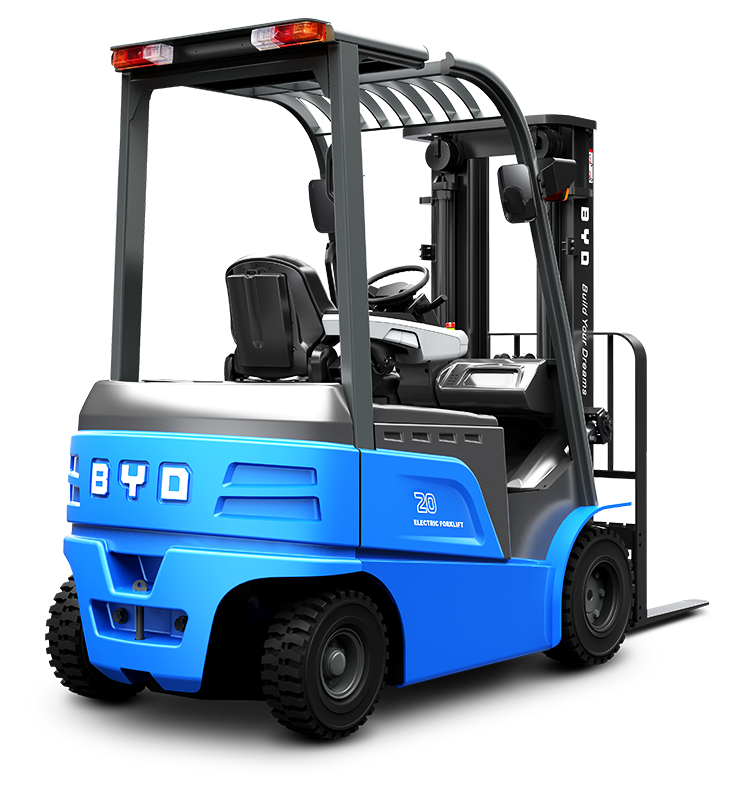
This category represents the absolute industry workhorse. They handle heavier loads with unmatched ease. You can confidently use them for indoor and outdoor hybrid applications. They perfectly match high-cycle distribution center demands. They deliver impressive lifting torque. They match traditional internal combustion engines in gradeability. They frequently serve as the optimal electric forklift for Warehouse environments managing heavy, continuous throughput.
These specialized machines dominate vertical storage spaces. They operate seamlessly in high-density very narrow aisle (VNA) configurations. Traditional counterbalance trucks cannot maneuver in these tight lanes. When evaluating reach trucks, you must focus heavily on mast rigidity. Operators need extreme stability at full extension. Operator visibility controls also demand strict, hands-on evaluation.
| Equipment Category | Optimal Environment | Key Operational Strength | Main Limitation |
|---|---|---|---|
| 3-Wheel Rider | Congested staging areas | Superior turning radius | Lower weight capacity |
| 4-Wheel Rider (3-Ton) | High-cycle distribution centers | Exceptional load stability | Larger physical footprint |
| Reach Trucks | Very narrow aisles (VNA) | Vertical storage density | Restricted to flat indoor floors |
Understanding the 2026 manufacturing landscape helps you make highly informed choices. We categorize these major brands into two distinct tiers.
This tier includes legacy brands like Toyota, Crown, Raymond, and Hyster-Yale. They offer ubiquitous local dealer networks. You gain immediate access to deep historical reliability data. They also provide highly standardized operator ergonomics. Operators can jump between machines seamlessly. However, you face potential strategic drawbacks. You might encounter significantly longer lead times for specific custom configurations.
Emerging global and Asian manufacturers represent a strong alternative tier. They focus heavily on core 3-ton lithium-ion models. You often benefit from dramatically faster delivery times. Yet, this path carries distinct evaluation risks. You must strictly vet localized parts availability. You also need to ensure your local third-party mechanics understand their proprietary systems.
Do not waste time comparing basic spec sheets. You should compare Service Level Agreements (SLAs). The local dealership representing the brand dictates your actual uptime. Their specific service commitments matter far more than factory specifications. Demand clear guarantees regarding response times. Ensure they provide guaranteed loaner equipment during extended repairs.
Best Practice: Always require a four-hour maximum response time in your final negotiated SLA. Ensure they stock critical parts at their local branch, not just at a national distribution center.
Many facilities overlook critical implementation risks during fleet transitions. We listen closely to mechanic community feedback to identify these hidden operational hurdles.
Facility infrastructure represents the biggest implementation blind spot. Installing 480V, 3-phase power drops demands massive grid capacity. Fast chargers draw immense power. You often need expensive facility grid upgrades. A weak electrical panel will bottleneck your entire operational strategy. You must consult your local utility company early. Transformer upgrades can delay deployments by several months.
The mechanic community consistently highlights severe daily frustrations. Many mechanics complain loudly about locked OEM software. Independent maintenance teams cannot clear simple error codes. You must call authorized dealer technicians for basic resets. This forced dependency severely extends equipment downtime. Always demand open access to basic diagnostic interfaces.
Electric motors remain highly sensitive to their physical environment. Advanced sensor suites react poorly to warehouse debris. Uneven concrete jars sensitive electronic components continuously. These rough conditions accelerate tire wear significantly. They cause much more structural damage compared to older pneumatic-tire internal combustion models. You must repair concrete spalling before deploying new electric fleets.
Follow this strictly structured approach to qualify and select your next warehouse fleet confidently.
Best Practice: Have your operators score the pilot equipment on ergonomics and visibility. Collect their feedback weekly. Have your mechanics time how long it takes to access the battery and main control boards.
Selecting the best equipment requires looking entirely past 2026 technology hype. You must prioritize facility compatibility above all else. Ensure your mechanics can actually access the diagnostic software. Rely heavily on local dealer support density rather than global brand prestige. Your uptime depends entirely on localized service execution.
Before you contact any regional dealer, complete your internal operational audit. Measure your racking dimensions carefully. Document your shift cycles in detail. Verify your electrical panel capacity with a certified electrician. This thorough preparation lets you control the procurement conversation. It ensures you receive highly accurate performance projections tailored to your exact facility footprint.
A: The 3-ton (approximately 6,000 lbs) capacity remains the industry standard. It serves as the baseline for general warehouse counterbalance forklifts. This specific capacity perfectly balances physical footprint size with versatile lifting power. It handles the vast majority of standard palletized loads efficiently.
A: Most top-tier lithium-ion batteries are rated for 3,000 to 5,000 charging cycles. They typically last between seven and ten years in standard applications. This impressive lifespan often outlasts the typical operational lifecycle of the forklift hardware itself. They generally require zero mid-life replacements.
A: Yes, specific models handle outdoor environments extremely well. Four-wheel electric models feature weather-sealed components. They utilize solid pneumatic tires to manage outdoor yard tasks safely. However, extreme cold or excessively wet conditions may marginally reduce overall battery efficiency over a full shift.
A: Three-wheel models offer superior maneuverability. They provide much tighter turning radiuses. This makes them perfect for navigating extremely narrow aisles. Four-wheel models provide significantly better load stability. They handle heavier loads safely. They also traverse uneven floor surfaces much more effectively than three-wheel counterparts.


