
Views: 0 Author: Site Editor Publish Time: 2026-06-29 Origin: Site


Transitioning to new material handling equipment requires moving past high-level sustainability goals. You must focus on strict operational realities instead. Modern facility managers face unique daily constraints. They struggle to balance compact chassis requirements with the heavy-duty demands of long warehouse shifts. Facility layouts often dictate equipment limitations. Choosing the wrong equipment leads to workflow disruptions and unexpected infrastructure upgrades.
This guide provides a critical, evidence-based framework for your evaluation process. We will help you shortlist and implement a small new energy forklift without disrupting existing workflows. You will learn how to align facility limits, operator needs, and advanced technology. The insights below ensure your deployment remains efficient, safe, and highly productive over the long term.
Moving away from internal combustion or legacy lead-acid requires justifying the initial capital expenditure of new models. Managers must demonstrate clear operational returns. Advanced technologies demand a larger upfront commitment. However, they deliver incredible long-term efficiency gains. You must look beyond the initial purchase order. Evaluate the lifespan value of the equipment. A small new energy forklift typically lasts longer than older internal combustion models. It relies on fewer moving parts. This mechanical simplicity translates directly into fewer breakdowns. Operational viability hinges on continuous uptime and reliable daily performance.
Calculate specific reductions in battery maintenance, fuel consumption, and downtime. Assume a realistic 5-to-7-year lifecycle for ROI modeling. Lithium-ion batteries eliminate daily watering routines entirely. They also reduce the time spent swapping heavy battery packs between shifts. These saved hours quickly translate into higher productivity. Lead-acid batteries require dedicated cooling periods. Advanced energy systems allow you to work continuously. Mechanics spend less time replacing worn engine components. You allocate labor resources to revenue-generating tasks instead.
Factor in regional tax credits and carbon offset grants. Stricter OSHA and EPA indoor air quality mandates accelerate the financial viability of new energy. Zero-emission models keep your facility ahead of regulatory curves. They significantly improve the working environment for your operators. Better indoor air quality reduces ventilation requirements. Lower ventilation needs mean lower HVAC operational costs. Proactive compliance prevents future operational bottlenecks. Environmental regulations grow stricter every single year.
Avoid vendor hype regarding "zero maintenance." Budget for software updates, telemetry subscriptions, and specialized technician call-outs. Even advanced systems require periodic structural inspections. Complex electronics might need proprietary diagnostics. Plan for these recurring requirements to ensure smooth operations over the equipment's lifespan. Firmware updates often optimize battery management systems. Ignoring these updates degrades battery longevity. Always understand the exact maintenance schedule recommended by the manufacturer.
Define strict parameters for right-angle stacking width, turning radius, and minimum aisle dimensions before engaging vendors. Narrow aisles require highly maneuverable equipment. A compact chassis allows operators to navigate tight spaces effortlessly. Always measure your most restrictive chokepoints. Racks often shift over time. Measure the actual physical space rather than relying on old blueprints. Even an extra inch of chassis width can slow down operations significantly.
Analyze how a smaller chassis impacts residual capacity at maximum mast extension. Request derating charts for specific attachments like side shifters or clamps. A forklift rated for 3,000 lbs at ground level might safely lift only 1,500 lbs at 150 inches. This physical limitation requires careful planning. Reference ANSI/ITSDF B56.1 safety standards for stability testing. Mismatched capacities lead to dangerous tip-over events. Never guess maximum load limits.
Assess how a heavier battery-to-size ratio impacts floor loading in older warehouses. Select appropriate tire compounds based on your specific surfaces. Cushion tires work best on smooth indoor concrete. Pneumatic tires handle mixed indoor and outdoor surfaces much better. Heavy point loads can crack unreinforced concrete floors. Evaluate your floor weight capacity before introducing dense new equipment.
Verify collapsed mast heights against dock doors, overhead conveyors, and shipping containers. Operational bottlenecks happen when equipment cannot pass under standard structural elements. Measure the lowest hanging obstructions in your facility. This ensures safe and uninterrupted travel across all zones. Trailer loading requires specialized mast configurations. Ensure full free lift options are available for your operations.
| Lift Height (Inches) | Standard Chassis Capacity (lbs) | Compact Chassis Capacity (lbs) | Estimated Derating Percentage |
|---|---|---|---|
| Ground Level | 3,000 | 3,000 | 0% |
| 100" | 3,000 | 2,700 | 10% |
| 150" | 2,800 | 2,100 | 25% |
| 190" | 2,400 | 1,500 | 37% |
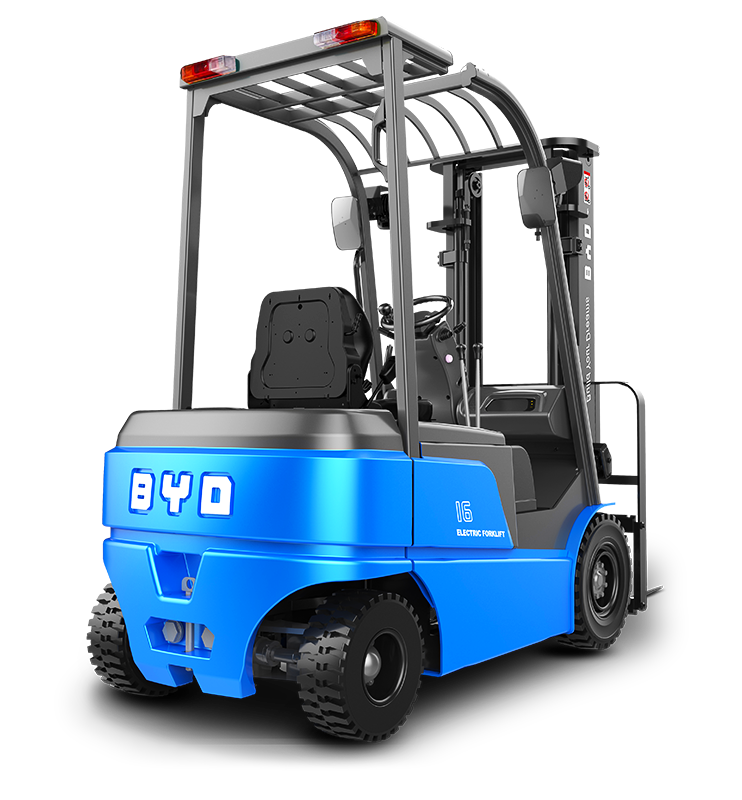
The biggest failure point in deploying new equipment is underestimating electrical infrastructure limits. High-frequency chargers demand substantial continuous power. Older facilities often lack the necessary electrical panels. Upgrading your grid requires early coordination with utility providers. Assume long lead times for commercial electrical components. A single fast charger can draw significant amperage. Ignoring this step leads to blown fuses and halted production.
Evaluate if operator breaks align with lithium-ion charging curves. Can the fleet sustain continuous multi-shift operations on 15-minute top-ups? Short charging bursts keep batteries optimized without removing them from the truck. You must map these charging sessions against mandatory break times. Unscheduled charging leads to operational delays. Create a strict charging discipline among operators. They must plug in the equipment every time they step away.
Audit existing 480V 3-phase power availability. Factor in the installation lead time for high-frequency fast chargers. Many warehouses max out their current electrical draw during peak hours. You might need dedicated sub-panels to support a growing fleet safely. Consult a licensed electrical engineer immediately. Do not rely solely on dealer assurances regarding power needs. Your specific facility load dictates installation requirements.
Determine if decentralized charging stations are more efficient than dedicated battery rooms. Placing chargers near break rooms or docks recovers valuable floor space. It also minimizes empty travel time for operators. Decentralized setups improve overall workflow efficiency significantly. A small new energy forklift integrates easily into tight dock spaces. Ensure charging cables do not create tripping hazards in busy corridors.
| Action Phase | Duration | Battery Impact |
|---|---|---|
| Morning Shift Start | 4 Hours | Depletes to 60% |
| Lunch Break Charge | 30 Minutes | Recovers to 85% |
| Afternoon Shift | 3.5 Hours | Depletes to 45% |
| Shift Change Charge | 45 Minutes | Recovers to 90% |
Scrutinize the IP (Ingress Protection) ratings of electrical components. You must ensure viability if the forklift transitions between cold storage, indoor racking, and outdoor yards. High IP ratings protect sensitive circuits from moisture and dust. This extends the operational life of your equipment. A minimum of IP65 is recommended for frequent outdoor transitions. Water intrusion causes immediate electrical faults. Weather sealing prevents catastrophic operational failures.
Acknowledge the physical limits of battery chemistry. Calculate the expected percentage drop in runtime for lithium-ion systems when operating continuously in freezers. Extreme cold slows down chemical reactions. This naturally reduces the available energy per charge cycle. Lithium batteries might require integrated heating blankets. Plan for a 20-30% reduction in efficiency at sub-zero temperatures. Account for this degradation when planning shift lengths.
Test and verify performance on dock levelers and ramps. Compact models can struggle with traction or ground clearance on steep inclines. A smaller wheelbase sometimes shifts the center of gravity unfavorably. Operators must feel confident when navigating angled surfaces with full loads. Always verify the manufacturer's maximum gradeability rating. Compare this against your steepest facility ramp to ensure safe navigation.
Evaluate the standard telemetry features. Look for integrated access control, impact detection, and automated OSHA pre-shift checklists. Digital records eliminate paper trails entirely. They also ensure operators complete required safety checks before starting the engine. Impact sensors hold operators accountable. This reduces rack damage and equipment abuse. Telemetry data pinpoints exactly where accidents occur so you can redesign unsafe traffic routes.
A compact cabin can lead to operator fatigue over a long shift. Assess step height, visibility through the mast, and the adjustability of hydraulic controls. Comfortable operators remain alert and productive. Ergonomic design directly reduces workplace accidents and strain injuries. Invite experienced operators to test the seating layout. Their feedback proves invaluable when selecting your final equipment.
Ensure the fleet management software can export data to your existing ERP or WMS. Do not get locked into a proprietary dashboard. Open API connections allow you to merge equipment data with overall facility performance metrics. Data silos prevent comprehensive productivity analysis. You need seamless data flow to optimize routing. Connecting telemetry to your warehouse software reveals hidden efficiency bottlenecks.
Never finalize decisions based solely on spec sheets. Demand a one-to-two-week on-site demo. This validates runtimes and operator acceptance. Real-world testing reveals hidden flaws. It shows exactly how the machine handles your specific load types. A proper pilot program removes theoretical assumptions. You gather empirical data on energy consumption. Watch how operators interact with the machine during their busiest hours.
Compare vendor response times rigorously. Advanced equipment relies heavily on proprietary diagnostics. Ensure the local dealer has trained technicians and local parts inventory. Extended downtime ruins productivity gains. Fast service recovery remains a critical selection factor. Review the penalty clauses for missed SLA targets. Demand guaranteed parts availability before signing any service contract. Ask for references from local facilities.
Cross-examine battery lifecycle warranties. Look for transparent clauses regarding "cycle counts" versus "calendar years." This helps you understand true replacement liabilities. A robust warranty protects your long-term investment. Always read the fine print regarding operational limits. Exceeding recommended depth of discharge often voids the warranty. Document everything carefully to ensure you remain fully covered over the expected lifespan.
Selecting the right equipment requires aligning physical facility constraints, electrical infrastructure readiness, and specific load requirements. A successful transition to advanced material handling technology depends on thorough preparation. Avoid making assumptions about your power grid or floor layouts. Measure every aisle, audit every panel, and test every piece of equipment on site.
Prioritize an operational site audit and baseline electrical assessment before issuing an RFP to forklift dealers. Understanding your facility's strict limits simplifies the vendor selection process. It protects your operation from expensive surprises.
Contact your facility engineer today to audit current power capacity. Alternatively, schedule a comprehensive site assessment with a certified material handling consultant. Immediate action guarantees a seamless equipment integration and a highly productive warehouse future.
A: It depends heavily on utilization and opportunity charging frequency. Typically, operators get 6-8 hours of continuous use. However, strategic 15-minute charges during scheduled breaks can extend this indefinitely across multi-shift operations without removing the battery.
A: Yes, provided it features solid pneumatic tires, adequate ground clearance, and proper weather sealing with a high IP rating. While internal combustion trucks historically dominated this space, modern zero-emission alternatives now perform reliably outdoors.
A: Facility electrical upgrades present the biggest surprise. Running new heavy-gauge wire, upgrading breaker panels, and installing commercial fast chargers require significant planning. These infrastructure upgrades remain crucial for successful implementation and safe charging.
A: Leasing is often preferred currently to hedge against rapid technology depreciation and to easily include maintenance SLAs. Buying, however, offers exceptional long-term value for high-utilization fleets that plan to run the equipment continuously over many years.


