
Views: 0 Author: Site Editor Publish Time: 2026-06-30 Origin: Site


The material handling industry is undergoing a massive transformation today. Facilities are rapidly shifting away from traditional internal combustion engines and older lead-acid batteries. Instead, they are adopting advanced lithium-ion and modern power solutions. This transition is redefining how distribution centers and manufacturing plants operate.
While these newer models offer compelling emissions and efficiency benefits, they demand a fundamentally different approach. You cannot simply swap machines and expect immediate success. They require careful adjustments to fleet management routines and facility infrastructure. Managers must rethink daily charging habits and electrical load distributions.
Our objective is to provide warehouse and procurement managers an objective, evidence-based framework. You will evaluate if a small new energy forklift aligns with your operational realities. We will explore capital expenditure needs, operational limits, and specific use-case matching. By the end, you will understand exactly how to assess this technology for your fleet.
Warehouse managers face immense pressure to modernize their operations. Regulatory and compliance standards represent the most immediate hurdle. Indoor air quality standards enforced by OSHA and EPA equivalents heavily restrict emissions in enclosed spaces. Facilities can no longer operate internal combustion engines indoors without facing severe penalties and endangering worker health. This regulatory push accelerates the phase-out of traditional equipment.
Space utilization offers another critical reason for evaluation. The rising cost per square foot in warehousing forces companies to maximize their existing footprints. Facilities require narrower aisles to fit more racking. More importantly, managers want to reclaim the square footage previously dedicated to lead-acid battery maintenance rooms. These charging rooms often consume hundreds of square feet. Eliminating them immediately generates valuable storage space.
Labor efficiency acts as the final driver. Traditional batteries require constant, manual upkeep. Technicians waste hours watering cells, equalizing charges, and physically swapping heavy units between shifts. Reducing these technician hours drastically improves daily productivity. Moving to a modern power source allows your staff to focus on actual material handling rather than equipment babysitting.
Modern fleets thrive on flexibility. Operators can plug in their equipment during short breaks or lunches. This practice does not degrade the battery lifespan. In fact, these frequent top-ups sustain the equipment throughout the day. It completely eliminates the dreaded "dead battery" downtime mid-shift. Facilities running two or three shifts gain significant operational uptime. Drivers never have to drive to a dedicated room for a 30-minute mechanical swap.
Best Practice: Strategically place charging stations near break rooms or high-traffic loading docks. This encourages operators to plug in naturally without walking far.
Traditional power sources are messy and labor-intensive. Upgrading means no more watering schedules. You eliminate the risk of dangerous acid spills. You also say goodbye to standard engine maintenance like oil changes, air filters, and spark plug replacements. You get highly predictable maintenance schedules. Your service technicians can focus solely on inspecting hydraulics, tires, and mast components.
Modern battery chemistry offers significantly higher energy density. This means the actual power unit requires a much smaller compartment. Engineers can design a small new energy forklift with a tighter turning radius. These compact dimensions prove essential for high-density storage configurations. Operators navigate narrow aisle setups with greater ease and better visibility. Less bulk leads to fewer accidental impacts with racking systems.
Operators frequently complain about sluggish lifting speeds toward the end of a shift. Older technologies experience noticeable voltage drops as the charge lowers. Modern units feature a sustained voltage profile. The equipment maintains 100% lifting capacity until it is completely depleted. A driver lifting heavy pallets at 5% charge experiences the exact same hydraulic performance as they do at 100% charge.
| Feature | Traditional Lead-Acid | Small New Energy Forklift |
|---|---|---|
| Charging Routine | Full discharge, 8-hour charge, 8-hour cool down | Opportunity charging (15-30 min top-ups) |
| Maintenance | Weekly watering, equalizing, spill cleanup | Zero maintenance required for power unit |
| Performance | Lifting speed drops as charge depletes | 100% sustained power until empty |
| Space Requirement | Requires large, ventilated battery room | Chargers mount directly to existing walls or pillars |
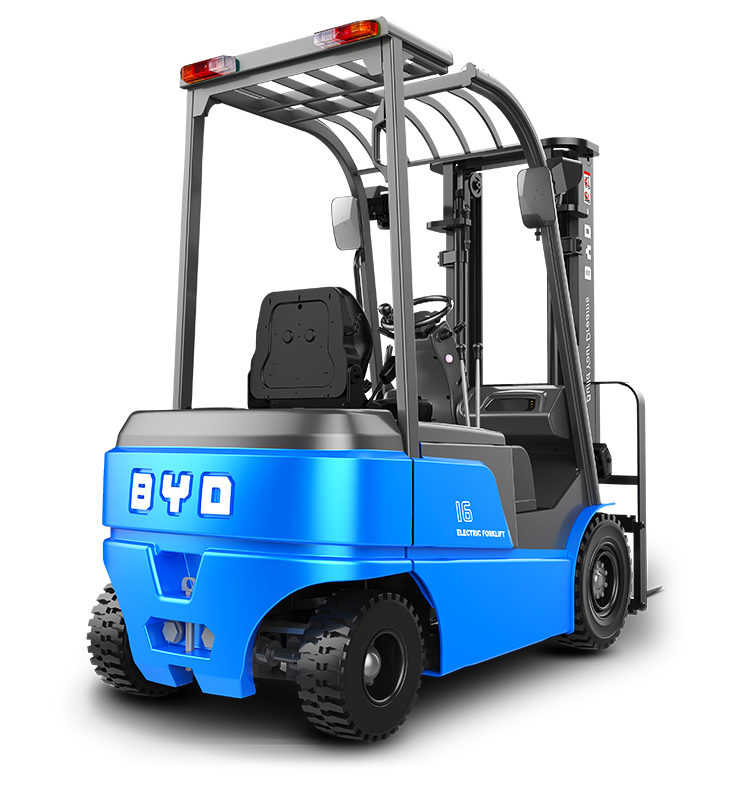
Procurement teams often experience sticker shock during the initial quoting phase. The upfront cost of advanced batteries and their compatible high-frequency chargers significantly exceeds traditional alternatives. This initial barrier requires careful budget planning. You are essentially pre-paying for years of energy and maintenance savings. Companies with strict annual CapEx limits might find this initial procurement phase challenging to get approved.
These machines rely on high-frequency fast chargers. These chargers pull significant electrical loads. They require highly robust electrical panels. Older facilities frequently lack the necessary grid capacity. Upgrading an aging building might require costly grid upgrades. You might need new step-down transformers to support a full-fleet rollout. Overloading an unprepared panel leads to tripped breakers and operational standstills.
Common Mistake: Purchasing the equipment before verifying your building's peak kilowatt demand limits with your local utility provider.
While the technology continues to improve rapidly, extreme environments still pose risks. Some units experience performance degradation in extreme cold. Deep freeze storage facilities operate at temperatures that slow down chemical reactions. Running these units in freezers without specialized thermal management add-ons drastically reduces run times. You must specify your exact operating temperatures during the procurement process.
The material handling industry has spent decades perfecting recycling for older technologies. Traditional options boast an impressive 99% recyclability rate. Modern advanced batteries currently face fewer established recycling pipelines. Processing these dense power units requires specialized facilities. While this sector is growing quickly, the end-of-life disposal process remains more complex and sometimes more costly than legacy systems.
You cannot evaluate this equipment based on the sticker price alone. A proper financial evaluation looks at the break-even timeline. You must compare the upfront cost against annual operational savings. Calculate your current spending on fuel or electricity. Add your maintenance labor costs, including the hourly rate of technicians performing daily battery upkeep. Factor in the cost of battery replacement cycles. Modern units last significantly longer, meaning you buy fewer replacement power units over the life of the chassis.
The speed of your return on investment directly correlates with your utilization rates. Single-shift operations running low hours may struggle to justify the premium upfront cost. Their payback period extends too far into the future. Conversely, operations running two or three shifts see highly accelerated payback periods. The more intense the application, the faster the energy and labor savings outpace the initial capital expenditure.
Do not isolate the vehicle cost from the facility cost. You must factor the expense of facility electrical upgrades into the overall fleet deployment budget. If you need a new transformer or upgraded wiring, amortize that cost across the entire fleet's lifespan. By spreading this infrastructure investment over several years, the annual financial impact becomes much clearer and easier to justify to executive boards.
Matching the equipment to the specific environment ensures a successful deployment. Not every warehouse represents an ideal scenario for this upgrade.
Certain industries benefit immensely from this transition. Food and beverage operations, pharmaceuticals, and clean-room manufacturing facilities require zero emissions. They cannot risk product contamination from off-gassing or acid spills. High-density e-commerce fulfillment centers also represent an ideal match. These environments utilize narrow aisles to maximize inventory density. Finally, facilities running intense multi-shift schedules with minimal downtime see the highest operational gains. The ability to charge during 15-minute breaks keeps the supply chain moving without interruption.
You should exercise caution in heavy-duty, continuous outdoor yard applications. Uneven terrain, heavy mud, and constant exposure to extreme weather can hinder the performance of smaller, indoor-optimized models. Additionally, leased warehouses present unique risks. These buildings often feature highly restricted electrical grid limits. Securing landlord approval for massive infrastructure upgrades is frequently unlikely. If you cannot install the proper charging backbone, the fleet will fail to perform.
| Application Type | Suitability | Primary Reason |
|---|---|---|
| Indoor E-commerce / Fulfillment | Highly Recommended | Compact size fits narrow aisles; zero emissions. |
| Pharmaceuticals & Food Processing | Highly Recommended | No acid spills; meets strict sanitation standards. |
| Heavy Logging / Uneven Outdoor Yards | Not Recommended | Requires larger chassis and high ground clearance. |
| Short-term Leased Facilities | Exercise Caution | Electrical upgrades may not be permitted by landlords. |
If you determine that the operational benefits align with your facility, you must follow a structured procurement path. Rushing the purchase leads to costly integration failures.
You must audit your current energy usage before speaking to a vendor. Track your exact shift patterns and measure peak draw times. Engage a commercial electrician to verify your panel capacity. Understanding your baseline kilowatt usage prevents you from installing chargers that your building cannot support. This study acts as your foundational blueprint.
Do not assume you need to replace your old fleet on a one-to-one ratio. The compact nature and increased uptime of new energy models often allow you to reduce overall fleet size. If traditional trucks spent two hours a day driving to maintenance rooms for swaps, that lost time required extra buffer trucks. A small new energy forklift eliminates this downtime. You might successfully run your operation with eight trucks instead of ten.
We highly recommend leasing one or two units for a 90-day stress test. Deploy them in a specific zone with heavy utilization. Monitor operator feedback regarding maneuverability and charging habits. Verify that the daily opportunity charging routine keeps the battery levels stable across shifts. A pilot program validates your financial assumptions before you commit to a complete, facility-wide transition.
Transitioning your fleet is a facility-wide operational decision. It is not just a simple equipment purchase. You are redesigning how your warehouse consumes energy and manages daily workflows. The shift demands cross-departmental coordination between operations, maintenance, and facility management.
The final verdict remains clear. The pros heavily outweigh the cons for indoor, high-cycle operations. If your facility's electrical backbone can support the charging demands, the operational uptime and maintenance savings are transformative. You reclaim lost floor space, protect indoor air quality, and streamline driver productivity.
We encourage you to take proactive steps today. Request a comprehensive site audit from an electrical contractor. Calculate your precise ROI based on your specific shift structures. Schedule a detailed consultation with a fleet integration specialist to map out your infrastructure needs.
A: Yes, retrofitting is common, but it requires careful engineering. Traditional batteries act as counterweights. Because new energy units are significantly lighter, you must install additional steel counterweights to maintain the truck's lifting stability and safety ratings. Always verify compatibility with the manufacturer.
A: These units charge much faster than legacy systems. A complete charge from zero to 100% typically takes 1 to 2 hours using a high-frequency fast charger. However, most facilities rely on opportunity top-ups during breaks, which add roughly 20-30% charge in just 15 to 30 minutes.
A: Modern advanced batteries last significantly longer. They typically deliver 3,000 to 4,000 charging cycles before degrading to 80% capacity. In contrast, traditional lead-acid batteries usually offer about 1,500 charging cycles. This extended lifespan dramatically reduces long-term replacement costs.


