
Views: 0 Author: Site Editor Publish Time: 2026-07-06 Origin: Site


The electric vehicle landscape has rapidly transformed in 2026. Striking a range of 650 kilometers is no longer a luxury outlier. It has become a highly competitive benchmark for serious automakers. Buyers face a radically different dilemma as this operational barrier falls. With 650km of stated capacity, traditional range anxiety essentially vanishes for most drivers. The buying decision now shifts toward nuanced factors like charging curves, battery chemistry longevity, and real-world aerodynamic efficiency. You need an evidence-based comparison framework for evaluating a modern 650km New Energy Car. This guide strips away marketing hype to focus strictly on usable range and practical daily logistics. You will learn how differing testing standards manipulate advertised figures. You will also discover how aerodynamic drag and specific battery chemistries dictate long-term vehicle utility.
Testing standards often paint an overly optimistic picture of vehicle capabilities. You must understand the baseline assumptions hiding behind these advertised numbers. A 650km rating achieved on the WLTP or CLTC cycles rarely translates to actual highway driving. These testing loops heavily emphasize low-speed urban crawling and frequent regenerative braking. Strict EPA ratings provide a much closer estimate of actual real-world efficiency. Even then, cruising at 110km/h demands massive amounts of sustained electrical energy. A 650km New Energy Car will typically yield lower usable figures under sustained high-speed conditions.
Wind resistance increases exponentially as your vehicle accelerates. This physical reality creates a challenging weight versus efficiency paradox for automotive engineers. Achieving an authentic 650km limit requires two very distinct engineering approaches. Automakers either install massive battery packs exceeding 100kWh or focus on extreme aerodynamic efficiency. Heavy packs add immense curb weight to the vehicle chassis. This extra mass compromises acceleration dynamics and increases tire wear significantly. Conversely, aero-focused designs achieve drag coefficients well below 0.22 Cd. They slip effortlessly through the air using smaller, lighter battery units.
You must match this underlying engineering approach to your specific driving environment. A sleek aerodynamic sedan suits open highway cruising perfectly. A larger, battery-heavy vehicle handles mixed urban and suburban utility much better. Assessing your primary travel routes ensures the vehicle architecture aligns exactly with your actual lifestyle. Failing to align these factors often results in mismatched daily expectations.
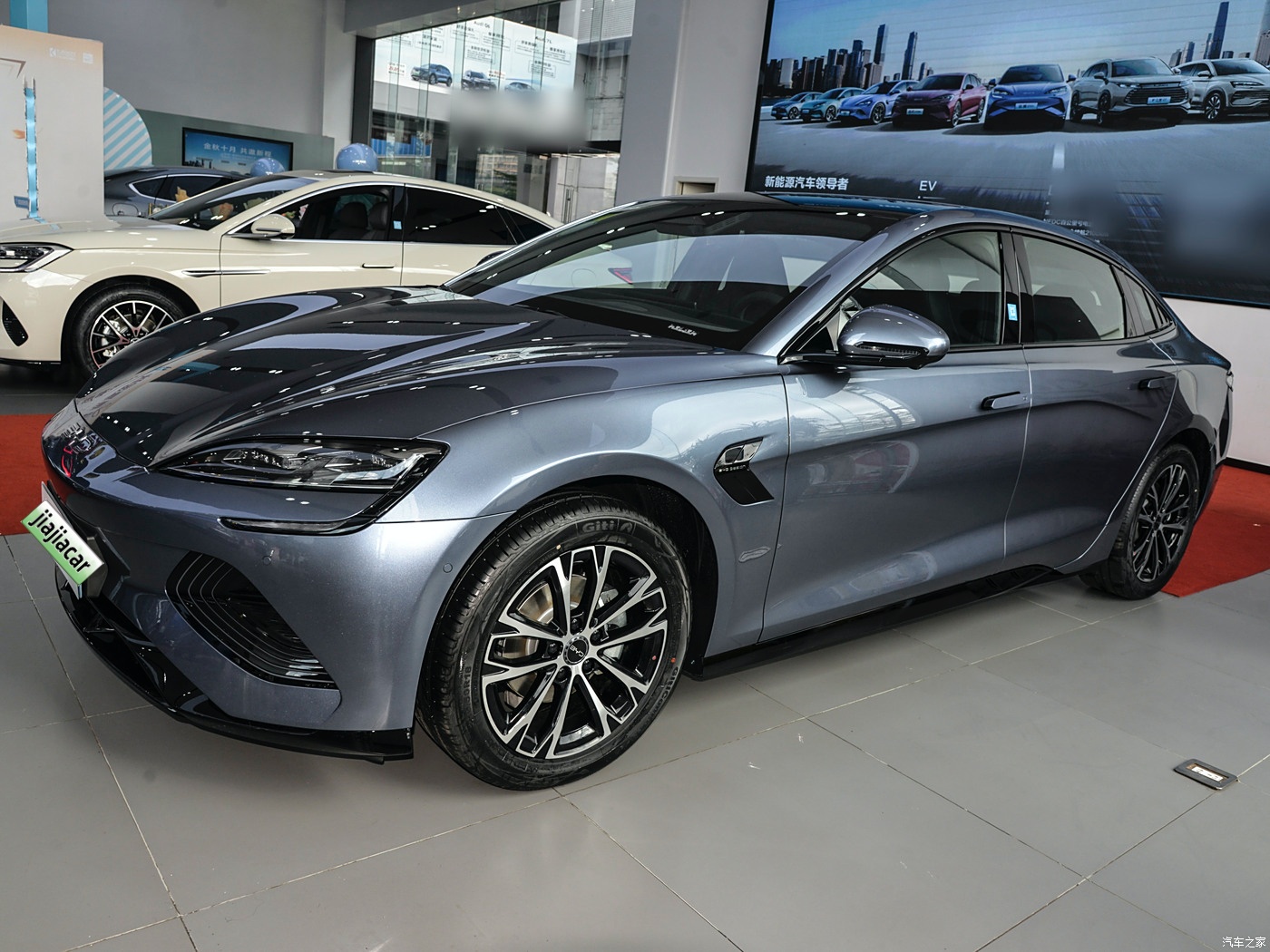
Manufacturers approach the 650km threshold using vastly different segment strategies. You can generally group these vehicles into two dominant design categories. Each category presents unique physical advantages and notable structural constraints.
Many leading models utilize smaller, lighter batteries ranging from 85kWh to 95kWh. They deliberately pair these packs with aggressive, tear-drop aerodynamic profiles. This combination reliably hits the coveted 650km mark without excess bloat. Engineers prioritize slipping through the wind rather than utilizing raw energy storage. Lower overall vehicle weight drastically improves handling and driving dynamics. It also ensures significantly better tire longevity over the vehicle's entire lifespan. You will benefit from much higher miles-per-kWh efficiency during long highway transits.
However, this aggressive sloping roofline creates notable physical design compromises. Rear passenger headroom often suffers greatly in these sleek fastbacks. The overall cargo capacity remains notably lower than bulkier SUV alternatives. Tall passengers may find extended journeys somewhat cramped in the rear seats.
Other vehicle segments rely on exceptionally large capacity battery packs. These energy units often span from 105kWh to 120kWh in total volume. Manufacturers use this brute-force method to overcome significant aerodynamic drag. SUVs naturally possess much larger frontal areas and heavier curb weights. The massive batteries deliver excellent daily practicality and family-hauling capability. They also provide the necessary low-end torque and structural stability for towing trailers.
Unfortunately, pushing so much physical mass requires significantly more electrical energy. You will inevitably face longer charge times at public transit stations. The immense physical weight also accelerates wear on critical suspension components. Heavy utility vehicles chew through standard tires much faster than lighter aerodynamic sedans. You must prepare for more frequent mechanical maintenance intervals.
Evaluating a modern electric vehicle goes far beyond standard brochure metrics. You must deeply analyze specific technical criteria to gauge actual daily utility.
Peak charging speed often grabs the biggest and boldest marketing headlines. A theoretical 350kW peak matters much less than the sustained charging curve. Advanced battery management systems dictate exactly how long maximum power flows. A flat, sustained charging curve severely minimizes your wait time at transit stations. Some generic systems drop charging speeds dramatically after reaching just 50% capacity. Superior architectures maintain high wattage inputs all the way to an 80% state.
| System Architecture | Advertised Peak Power | Time Required to Add 300km | Charging Curve Profile |
|---|---|---|---|
| 400V Standard Systems | 150kW - 200kW | 35 to 45 minutes | Steep wattage drop after reaching 60% capacity |
| 800V Advanced Systems | 250kW - 350kW+ | 18 to 22 minutes | Sustained high wattage consistently until 80% capacity |
Cold weather notoriously degrades standard lithium-ion battery performance. You must critically evaluate the inclusion of high-efficiency thermal management systems. Standard heat pumps are absolutely critical for any long-range vehicle driven today. They efficiently scavenge ambient external heat to warm the passenger cabin. This clever mechanism prevents the climate control from rapidly draining the primary battery pack.
Expect a realistic and unavoidable range degradation during freezing conditions. A typical drop ranges from 15% to 25% in deep winter climates. This means a pristine 650km rating might only deliver 480km when temperatures plummet. Internal cell resistance increases significantly when the physical pack drops below freezing. Pre-conditioning the battery while still connected to your home charger mitigates this effect beautifully.
The underlying chemical makeup determines longevity, safety, and physical vehicle weight. Lithium Iron Phosphate (LFP) packs degrade much slower over thousands of cycles. They easily tolerate daily charging sessions to 100% without severe cellular stress. However, LFP batteries remain heavier and inherently less energy-dense overall.
Nickel Manganese Cobalt (NMC) packs offer lighter, significantly denser energy storage options. They provide superior maximum range but degrade slightly faster if routinely abused. Early semi-solid-state options are also emerging with distinct performance parameters. You should always look for manufacturers offering robust 10-year or 150,000-mile warranties. These documents must explicitly guarantee at least 70% to 75% capacity retention over time.
A massive 650km battery takes significantly longer to replenish on older networks. Legacy 50kW or 150kW public chargers will severely bottleneck your travel schedule. You must proactively assess local 350kW+ charger availability before finalizing any vehicle purchase. Plugging a massive 110kWh battery into a standard 50kW unit demands extreme patience. Public infrastructure readiness still varies wildly between urban centers and rural transit corridors. High-capacity vehicles demand high-capacity infrastructure to function as intended.
Large-capacity, high-density batteries in 2026 also face unique insurance underwriting realities. Minor structural damage to the undercarriage can fatally compromise the entire pack structure. Insurers often require full pack replacements rather than approving localized cell repairs. This drives up the complexity of ownership following even a minor collision. You must balance the physical utility of a long-range vehicle against these logistical hurdles. Evaluate the massive time savings gained from fewer required public charging stops. Consider the extreme convenience of leveraging smart home-charging setups overnight. A massive battery allows you to maximize off-peak electrical grid usage efficiently. You can top up the entire week's driving range while you sleep comfortably.
Selecting the correct configuration requires matching the vehicle to your daily habits. You must prioritize specific features based on your most frequent driving scenarios.
You should aggressively prioritize 800V sedans boasting extremely low drag coefficients. These sleek vehicles excel at sustained high speeds across vast geographical distances. Robust advanced driver assistance systems (ADAS) reduce fatigue during long hours behind the wheel. The intense aerodynamic focus guarantees you extract maximum miles per kilowatt-hour. This specific vehicle archetype practically eliminates transit delays during cross-country road trips.
Families demand versatile interior space and highly reliable cold-weather performance. You should prioritize SUVs equipped with flat charging curves and efficient heat pumps. Robust LFP battery warranties provide excellent long-term peace of mind for daily driving. You must willingly accept a slight hit to overall highway aerodynamic efficiency. The added interior volume and physical hauling capability easily offset this minor drawback. A larger vehicle ensures you never lack space during weekend family excursions.
We highly recommend scheduling extended overnight test drives with local dealerships. This extended period allows you to verify real-world energy consumption effectively. You must test the vehicle on your actual daily commute before committing.
Do this thoroughly before signing paperwork for any specific vehicle architecture.
Acquiring a long-range vehicle in 2026 represents an investment in ultimate convenience. It secures highly valuable time savings rather than just displaying an impressive dashboard number. Focus your attention heavily on the underlying 800V charging architecture above all else. Rapid replenishment capabilities dictate true highway freedom far more than raw battery capacity. Evaluate practical winter performance and thermal management efficiency for robust year-round reliability. Your ideal choice must seamlessly integrate into your existing parking and travel routines. Always base your final purchase decision on sustainable charging hardware rather than advertised maximums alone.
A: You can generally expect to achieve 70% to 80% of the claimed maximum capacity. Sustained highway speeds around 110km/h dramatically increase aerodynamic drag. In standard weather conditions, this translates to roughly 450km to 520km of actual usable driving distance between mandatory charging stops.
A: Not necessarily. Modern long-range vehicles typically utilize advanced 800V architectures allowing massive sustained energy input. While the battery physically holds twice the energy, it accepts higher peak kilowatts for much longer durations. This superior thermal management keeps your total station wait times highly competitive.
A: It heavily depends on your typical driving frequency. A 650km vehicle minimizes the total number of required stops during long road trips. However, a 400km option carries less physical weight and improves daily driving dynamics. Choose the longer range if you frequently traverse corridors lacking robust fast-charging infrastructure.


