
Views: 0 Author: Site Editor Publish Time: 2026-07-08 Origin: Site


Range anxiety remains the biggest mental hurdle for modern drivers making the electric switch. Buyers constantly seek larger battery capacities to cure this lingering fear. As a result, the market increasingly pushes high-capacity models as the ultimate solution. We now see the 650km benchmark emerging as the premium tier for long-range travel. This impressive capacity promises roughly 400 miles on a single charge. It represents a massive leap forward in battery technology and driver convenience. Many consumers wonder if the extra capacity is genuinely necessary for their lifestyle. You must weigh the benefits of extended travel against the physical drawbacks of heavier battery packs. We need to look past ambitious marketing claims. Our goal here is to objectively evaluate if this steep premium translates to measurable daily utility. We will explore whether upgrading to a 650km New Energy Car truly improves your driving experience.
Automakers heavily advertise maximum range figures. However, testing standards vary wildly across the globe. You rarely achieve the exact numbers printed on the brochure. A stated 650km range usually yields a lower real-world figure. This drop depends heavily on the specific testing body used for certification.
| Testing Standard | Region Typically Used | Real-World Accuracy | Expected 650km Yield |
|---|---|---|---|
| EPA | North America | Highly Accurate | ~600 - 630km |
| WLTP | Europe & Global | Optimistic | ~520 - 550km |
| CLTC | Asia | Very Optimistic | ~450 - 500km |
Understanding these testing standards sets proper expectations. The EPA cycle includes aggressive highway speeds and climate control usage. The CLTC cycle prioritizes low-speed urban driving. You must identify which standard applies to your prospective vehicle. This knowledge prevents unexpected charging stops during long journeys.
Buyers face a distinct core problem. You are potentially paying for unused capacity. A massive battery acts as a "range insurance policy" for most drivers. It rarely functions as an everyday necessity for the average commuter. You carry hundreds of pounds of excess lithium daily.
This excess capacity brings peace of mind. However, peace of mind carries a steep initial premium. You must honestly assess your daily driving routines. Purchasing a massive battery for one annual road trip often proves inefficient. Commuters usually only need a fraction of this total capacity.
Defining a successful purchase requires objective benchmarks. You should establish clear goals before selecting a high-capacity model. A successful acquisition typically solves specific, recurring pain points.
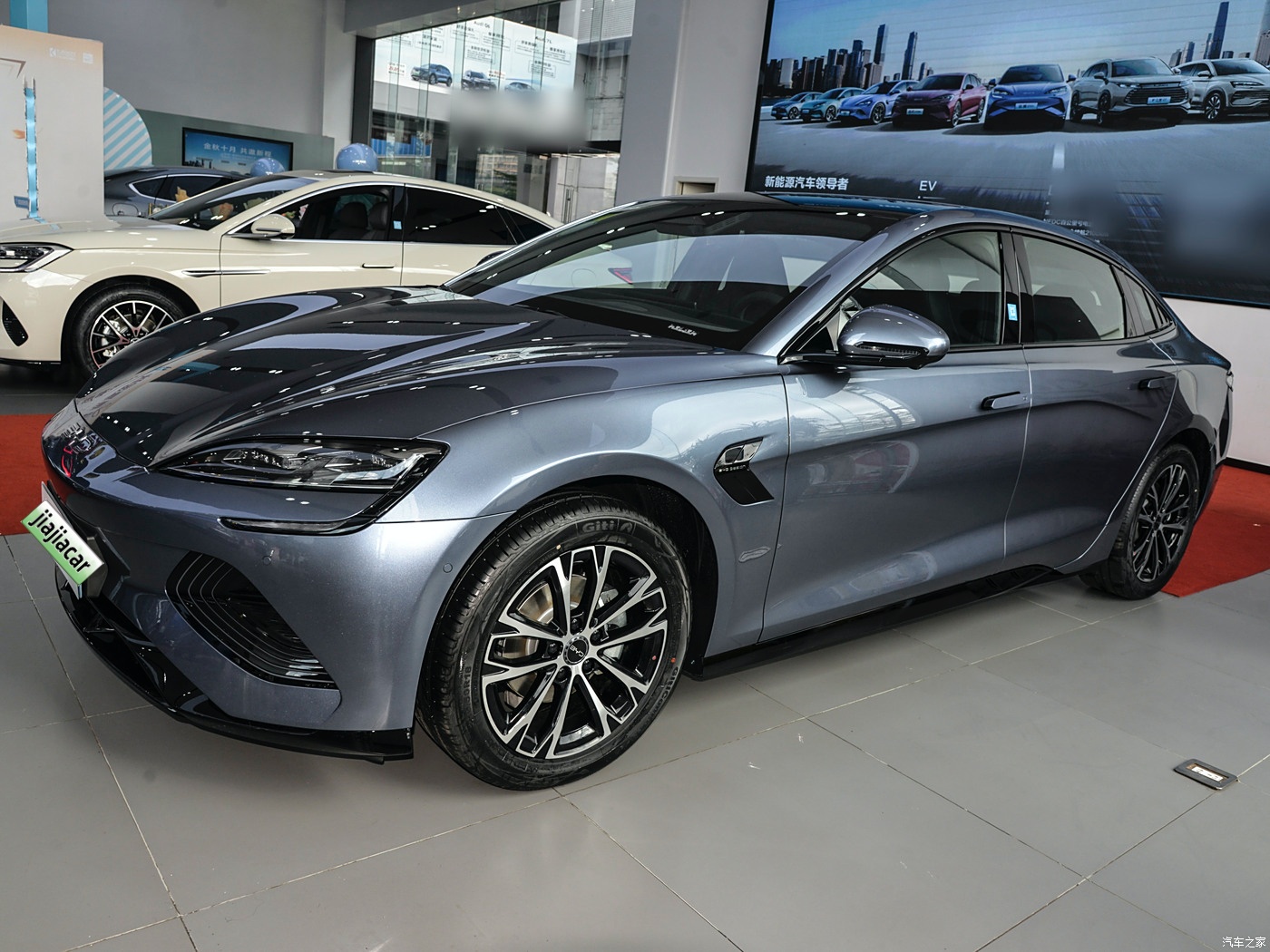
Electric vehicles suffer efficiency losses in extreme conditions. Extreme cold forces the battery to heat the cabin. Resistance heaters consume massive amounts of energy. High highway speeds exponentially increase aerodynamic drag. Both factors drastically reduce your overall driving efficiency.
A 650km rating ensures a reliable safety buffer. You can expect around 400km even in sub-zero temperatures. This makes a 650km New Energy Car a functional requirement for harsh winter climates. You can comfortably run the heater without constantly monitoring the battery gauge. The extra capacity absorbs the severe winter penalty gracefully.
Long trips become significantly easier. You experience a drastic reduction in mandatory charging stops. A standard vehicle might require three stops on a cross-country route. A long-range model often completes the same trip in just one. This saves valuable travel time.
You also gain a crucial strategic advantage. You can intentionally skip congested public fast chargers. You easily bypass broken or offline charging stations. This route-planning flexibility reduces travel anxiety. You simply drive to the next available station down the highway.
Larger battery packs offer hidden mechanical benefits. We must look at the physics of battery wear. Lithium-ion cells degrade based on full charge cycles. A larger pack requires fewer full zero-to-hundred percent cycles. It easily covers your lifetime mileage expectations with minimal stress.
Optimal battery health requires specific charging habits. Keeping the battery in the optimal 20-80% state of charge minimizes degradation. This restricted band is significantly easier to maintain here. You still have plenty of usable daily range within that narrow percentage window. Your battery pack will ultimately last much longer.
Upgrading to maximum capacity requires a substantial financial commitment. You must evaluate the price delta carefully. Compare standard models against their long-range counterparts. The jump from 400km to 650km requires a heavy initial premium.
Buyers often face diminishing returns on this investment. Imagine you only utilize the extra 150km once or twice a year. The massive upfront premium yields very little daily value. You tie up capital in battery cells you rarely activate. Strict utilization is mandatory to justify the initial financial leap.
You cannot ignore the physical reality of a larger battery pack. High-capacity vehicles carry massive curb weight. They often weigh significantly more than comparable combustion vehicles. This extreme weight impacts driving dynamics and ownership logistics.
This weight introduces several secondary costs. You will experience accelerated tire wear. Heavy vehicles chew through premium EV tires rapidly. The suspension system endures constant stress over potholes and rough roads. Furthermore, you suffer a lower overall efficiency rating. The vehicle requires more energy simply to move its own bulk.
Most owners rely entirely on Level 2 home charging. This introduces a significant logistical bottleneck. A standard 7kW home charger provides steady but slow energy delivery. It adds roughly 40 to 50 kilometers of range per hour.
A depleted 650km battery presents a unique challenge here. It may require well over 12 hours to fully recharge. An overnight charge might not completely fill a massive, entirely empty pack. You must plug in more frequently to avoid deep battery depletion. Planning becomes essential if you arrive home completely empty.
We recommend using a simple framework for buyers. Audit your personal driving habits carefully. Apply the 90/10 rule to your historical mileage data. Ask yourself where you actually drive most often.
If you primarily drive locally, a massive battery remains underutilized. You carry unnecessary weight for daily grocery runs. Conversely, regional sales representatives easily justify the maximum capacity. Let your actual data drive your purchasing decision.
Your local environment dictates your true battery needs. Evaluate local and regional DC fast-charging networks thoroughly. Look along your most frequent travel corridors. Count the number of reliable stations currently operating.
Robust regional infrastructure changes the equation entirely. The need for a 650km battery decreases if fast chargers are abundant. You can easily travel long distances using a standard battery. You simply stop for fifteen minutes every few hours. Poor infrastructure, however, makes high capacity absolutely mandatory.
We must analyze current secondary market trends carefully. Technology evolves at a breakneck pace in this sector. Ultra-long-range models historically command strong interest on the used market. Buyers love acquiring maximum capacity without paying the new-car premium.
However, battery technology outpaces older models quickly. Solid-state batteries loom on the horizon. A current massive battery might seem average in five years. You must balance current utility against potential future depreciation. Buy the car for today's needs, not just future resale metrics.
Certain profiles perfectly match this premium specification. You should opt for maximum capacity if you are a high-mileage commuter. Residents living in extreme winter climates need the thermal buffer. Frequent interstate or cross-country drivers will appreciate the uninterrupted travel time. The vehicle serves as a vital tool for these specific users.
Many drivers can comfortably downsize their selection. Multi-car households usually designate one vehicle for local trips. Urban and suburban drivers benefit from lighter, more agile vehicles. If you possess reliable overnight home charging, standard capacity easily handles daily needs. Budget-conscious buyers should prioritize everyday efficiency over rare road trips.
Some scenarios favor alternative technologies entirely. Consider a PHEV if you suffer from severe, incurable range anxiety. They suit buyers with short daily commutes but occasional remote road trips. If your destination lacks any charging infrastructure, a hybrid provides security. You burn gasoline only when absolutely necessary.
We highly recommend a practical real-world test. Rent the specific 650km model for a weekend road trip. Test its real-world consumption against your driving style. Evaluate the charging ergonomics at local public stations. This hands-on experience provides clarity before you finalize a massive purchase.
A high-capacity electric vehicle serves as a highly capable tool. It effectively solves specific, measurable pain points for modern drivers. You successfully mitigate severe winter range degradation. You eliminate frustrating charging delays during frequent long-haul trips. The technology delivers exactly what it promises under the right ownership conditions.
However, it is not a default upgrade for everyone. Buyers should match battery capacity directly to verified driving data. Avoid making expensive decisions based on "what-if" anxieties. Evaluate your actual infrastructure and daily commute distances honestly. Selecting the right capacity maximizes your investment and enhances your daily driving pleasure.
A: Expect an average drop of 20% to 30% in extreme cold. Cabin heating consumes significant energy. Cold battery chemistry also operates less efficiently. A 650km vehicle will typically deliver around 450km to 500km during harsh winter conditions.
A: Charging from 10% to 80% takes a similar amount of time compared to smaller batteries. Large packs accept higher peak charging rates. However, charging from 80% to 100% takes significantly longer. The charging curve slows down dramatically to protect the massive cell clusters.
A: It depends entirely on your specific battery chemistry. NMC batteries prefer staying between 20% and 80% to prevent degradation. LFP batteries, however, actually need occasional 100% charges to calibrate their management systems. Always consult your specific manufacturer guidelines regarding daily charging limits.


