
Views: 0 Author: Site Editor Publish Time: 2026-07-07 Origin: Site


Premium electric vehicles often boast impressive specifications on paper. You might buy a vehicle rated for long distances, expecting consistent daily performance. However, drivers frequently experience a noticeable gap between official testing cycles like WLTP, CLTC, or EPA and actual real-world results. Unpredictable range drops cause significant anxiety. They complicate long highway trips and become especially frustrating during extreme winter climates. We must address this efficiency gap directly. You can transition from passive driving to active energy management. This approach ensures you consistently extract the highest possible yield from your high-capacity battery system. In this guide, we provide evidence-based, hardware-specific, and behavioral strategies. You will learn exactly how to optimize your driving efficiency. We cover thermal management, aerodynamic adjustments, and driving dynamics. These practices maximize range without compromising your daily driving experience.
What does a high-range rating actually mean? Testing organizations run vehicles through highly controlled laboratory cycles. They eliminate headwinds. They remove elevation changes. They ignore extreme temperature fluctuations. In reality, your driving environment changes constantly. You face rain, snow, hills, and heavy traffic. If you own a 650km New Energy Car, you must understand these lab limitations. The rating represents an ideal scenario rather than a guaranteed daily outcome. WLTP cycles often overestimate highway capabilities. EPA ratings come closer to reality but still fail to account for winter freezing. You must treat the official number as a baseline capability.
Speed destroys range rapidly. Aerodynamic drag increases exponentially as you drive faster. Pushing a heavy vehicle through the air requires massive energy. Cruising at 120 km/h consumes significantly more electricity than holding a steady 90 km/h. At higher speeds, the motors work overtime just to overcome air resistance. You can lose up to 20% of your total range simply by driving 20 km/h over the optimal efficiency curve. We highly recommend monitoring your speed on long road trips.
Before optimizing, you must know your current numbers. Use your vehicle’s onboard telemetry to find your baseline efficiency. Navigate your infotainment screen to the trip data section. Look for the screen displaying kWh/100km. Track this metric over a week of normal commuting. Identifying this baseline helps pinpoint personal efficiency gaps. You can then measure the precise impact of future adjustments.
We provide a baseline comparison chart below to illustrate the velocity penalty. These numbers reflect standard high-capacity electric vehicles on flat terrain.
| Cruising Speed (km/h) | Estimated Consumption (kWh/100km) | Impact on Total Range |
|---|---|---|
| 90 km/h | 14.5 kWh/100km | Optimal Efficiency (Baseline) |
| 110 km/h | 18.2 kWh/100km | 15% - 20% Range Loss |
| 130 km/h | 23.0 kWh/100km | 30% - 35% Range Loss |
Extreme temperatures act as the biggest enemies of lithium-ion batteries. Cold weather thickens internal battery fluids. This increases internal resistance. Pre-conditioning stands as your best defense against cold-weather degradation. You should heat or cool the cabin and battery while the car remains plugged into the grid. Open your manufacturer’s smartphone app about 30 minutes before departure. Activate the climate control system. Your vehicle pulls energy directly from the wall charger rather than your internal battery. You start your trip at the ideal operating temperature. The battery pack retains its full stored energy for actual driving.
Heating the entire cabin air volume requires massive energy. Forced-air heating draws heavily from the high-voltage battery system. Instead, rely on localized contact heaters. Turn on your heated seats. Activate the heated steering wheel. Contact heaters warm your body directly. They use a tiny fraction of the electricity compared to the main cabin heater. You stay completely warm. The vehicle preserves vital range for the road.
Modern vehicles often feature heat pumps instead of traditional positive temperature coefficient (PTC) resistive heaters. PTC heaters generate heat by passing current through a resistor. This process drains electrical energy quickly. Heat pumps operate differently. They act like reversible refrigerators. They move ambient thermal energy from outside the car into the cabin. This hardware capability drastically improves winter efficiency. Heat pumps require far less electricity to produce the same cabin warmth. If your vehicle includes a heat pump, you possess a massive advantage for cold-weather driving.
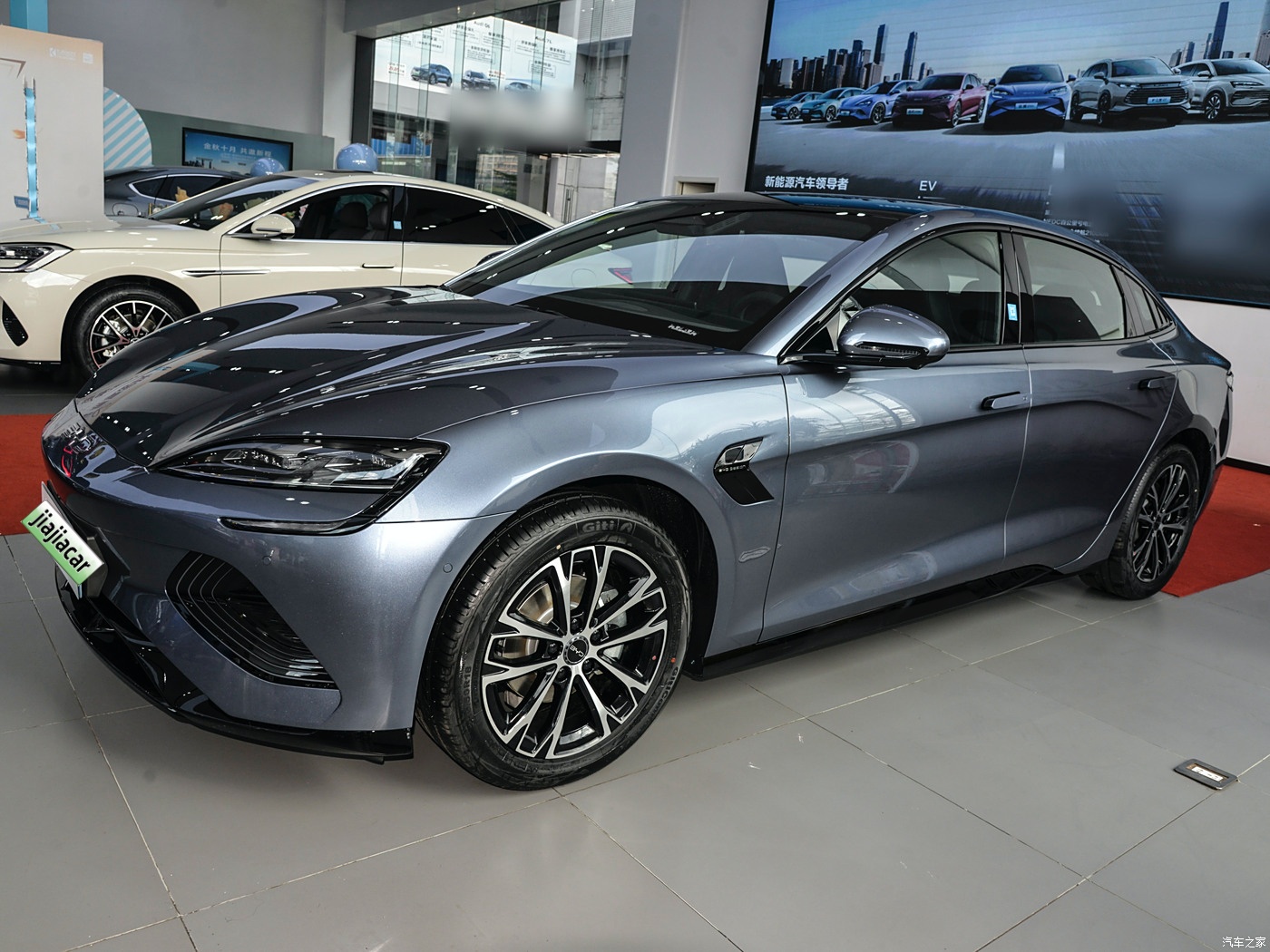
Regenerative braking transforms your electric motor into a generator. It captures kinetic energy during deceleration. It then feeds this energy back into the battery pack. You should adjust regen levels based on your immediate environment. Set the system to maximum regeneration for urban environments. Stop-and-go traffic provides endless opportunities for energy recovery. Maximum regen enables one-pedal driving. For highway driving, switch to a lower regen setting or adaptive coasting mode. Coasting maintains forward momentum seamlessly. Momentum preservation remains far more efficient at high speeds than constant deceleration and acceleration.
Almost every modern electric vehicle includes a dedicated Eco-mode. But what does this software actually do? It alters the throttle pedal mapping to smooth out harsh driver inputs. It caps maximum torque output to prevent sudden energy spikes. It also limits HVAC power draw automatically. You trade aggressive acceleration performance for strict energy preservation. Eco-mode forces you to drive smoothly. Using this mode daily builds highly efficient driving habits.
Look far ahead down the road. Anticipate traffic lights, stop signs, and slowing cars. Predictive driving helps you avoid sudden friction braking. When you hit the mechanical brakes, you lose kinetic energy instantly as heat. If you lift off the accelerator early, the electric motors recapture that energy instead. Smooth, predictive driving adds noticeable distance to your total trip.
Tires connect your vehicle to the road. This connection causes friction. You must maintain manufacturer-recommended tire pressures strictly. Heavy electric vehicles compress underinflated tires easily. This compression creates excess rolling resistance. Check your tire pressure monthly using a reliable gauge. Additionally, understand your tire type. Winter tires feature aggressive treads. They grip well in snow but reduce daily range. EV-specific summer tires feature stiff sidewalls and special rubber compounds. Low-rolling-resistance tires will always yield the best possible efficiency numbers.
Manufacturers spend millions lowering the coefficient of drag. Smooth airflow over the vehicle body extends highway range. You can ruin this careful engineering in seconds. Roof racks and external cargo boxes destroy aerodynamic flow. They act like literal parachutes on the highway. Remove roof accessories immediately when not actively in use. Driving at high speeds while keeping windows rolled down also creates massive internal drag. Keep windows fully closed above 80 km/h. Use the internal ventilation system instead.
Extra mass requires extra energy to move. Excess payload disproportionately affects efficiency. It hurts range severely during elevation changes and heavy acceleration. Check your trunk and back seats regularly.
Battery degradation permanently reduces your maximum available range. Chemical breakdown inside the cells happens naturally over time. To protect lithium-ion cells, adopt the industry-standard 20% to 80% state of charge (SoC) rule. Set your daily charging limit to 80% directly within your vehicle's software menu. Avoid dropping the battery level below 20% during normal commutes. This simple daily habit prevents severe chemical stress inside the battery pack. It extends the functional life of your vehicle significantly.
DC fast charging offers incredible convenience for long road trips. However, it pushes enormous electrical currents into the battery. This rapid transfer generates high thermal stress. Excessive reliance on fast chargers accelerates cell degradation over time. You should prioritize AC Level 2 charging for routine daily top-ups. Slower overnight charging keeps battery temperatures low. It preserves cell integrity for years. Reserve DC fast charging strictly for extended highway travel.
Sometimes you leave your car parked for weeks during vacations. Prolonged vehicle storage requires specific battery management. Never leave the car sitting fully charged at 100%. Similarly, never leave it near 0%. Plug the vehicle into a standard charger. Set the target charge limit to exactly 50%. This resting state provides the most chemically stable environment for the battery. You will return to a healthy battery ready for optimal performance.
Maximizing your vehicle's range requires a blend of smart technology use and mindful driving. You must leverage advanced hardware capabilities like heat pumps and regenerative braking systems. At the same time, you have to adjust daily behaviors behind the wheel. Driving efficiently extends your daily travel radius considerably. It significantly reduces your overall charging costs over the months. Maintaining battery health also preserves your vehicle's long-term resale value. Start making small changes today. Open your companion smartphone app right now. Set up an automated pre-conditioning schedule for your morning commute. Over the next 30 days, monitor your kWh/100km efficiency closely. You will quickly see how these incremental adjustments yield massive gains in real-world range.
A: Freezing temperatures typically reduce total range by 20% to 30%. Lithium-ion battery chemistry slows down in extreme cold, limiting energy output. Additionally, running the cabin heater draws significant power directly from the battery pack. Pre-conditioning the vehicle while plugged into the grid helps minimize these severe winter losses.
A: Adaptive cruise control saves energy on flat, predictable highways by maintaining a constant speed. However, it can drain the battery faster on hilly terrain. The system often applies harsh acceleration to climb hills maintaining the exact set speed. Human predictive driving proves superior in mountainous areas.
A: Yes, charging to 100% is perfectly acceptable for occasional long-distance road trips. You maximize your starting range. However, you must time the charge properly. Schedule the charging session to hit 100% right before your departure time. Driving the vehicle immediately prevents the battery from resting at maximum voltage.
A: Factory aerodynamic wheel covers definitely improve highway efficiency. They reduce air turbulence inside the wheel wells at high speeds. Keeping the aero-caps installed can add between 3% and 5% to your total highway range. While they matter less in slow city driving, they remain crucial for long-distance cruising.


