
Views: 0 Author: Site Editor Publish Time: 2026-07-06 Origin: Site


Reaching the 650km range threshold transforms modern driving entirely. It successfully shifts new energy vehicles from regional daily commuters into primary cross-country assets. Drivers no longer feel tethered to local charging stations during weekend getaways. However, an advertised 650km range remains a lab-tested metric. It fluctuates significantly based on highway speeds, harsh weather, and individual driving habits. Trusting a spec sheet without proper context often leads to frustrating road trips.
This guide filters out marketing hype completely. We evaluate top-tier long-range models focusing purely on real-world viability. You will explore standardized testing differences, battery chemistry limitations, and aerodynamic impacts. Many buyers assume higher capacity automatically guarantees superior travel experiences. We challenge this assumption using empirical evidence and practical driving scenarios. By understanding how these complex machines operate under stress, you avoid common pitfalls. Ultimately, we provide a reliable framework for your final vehicle selection.
Automakers proudly display impressive range numbers on showroom floors. We must decode these figures to understand actual driving capabilities. Testing standard discrepancies create massive confusion among consumers globally. A reliable 650km New Energy Car behaves differently across various testing protocols. Laboratory conditions rarely replicate dynamic real-world environments.
Three primary testing cycles dominate the global automotive landscape. First, the CLTC standard presents highly optimistic figures. It heavily favors low-speed urban driving patterns. It assumes frequent regenerative braking opportunities. Second, the WLTP serves as the regulatory standard across Europe. It offers a balanced mix of city and highway driving. However, it still underestimates sustained high-speed resistance. Finally, the EPA standard provides the strictest measurement available. It mimics real-world highway driving most accurately. It forces vehicles to run continuous high-speed loops.
| Testing Standard | Primary Region | Driving Bias | Real-World Accuracy |
|---|---|---|---|
| CLTC | Asia | Low-speed urban, frequent stops | Highly Optimistic |
| WLTP | Europe | Mixed urban and moderate highway | Balanced |
| EPA | North America | Sustained highway speeds | Highly Accurate |
Daily driving rarely utilizes the maximum battery capacity. Battery engineers strongly advise against charging to 100 percent daily. They also warn against depleting the pack below 10 percent. Pushing these extreme limits accelerates chemical degradation rapidly. Frequent deep cycling permanently damages internal cell structures. Therefore, drivers usually operate within a 70 percent usable window. Apply this golden rule to a 650km rating. The accessible daily range drops significantly. You effectively have closer to 455km available for routine commuting. This harsh reality forces buyers to rethink their true daily requirements. You must plan road trips around this sustainable buffer zone.
Internal combustion vehicles typically perform better on open highways. Electric vehicles exhibit the exact opposite behavior. They lose efficiency rapidly at sustained high speeds. Aerodynamic drag increases exponentially when you surpass 100 kilometers per hour. Electric motors consume massive electrical energy to overcome this wind resistance. Urban driving allows frequent regenerative braking. This process recaptures kinetic energy back into the battery. Highway driving drains the battery continuously without any recovery opportunities. Maintaining a steady 120 km/h will decimate a laboratory-tested range estimate.
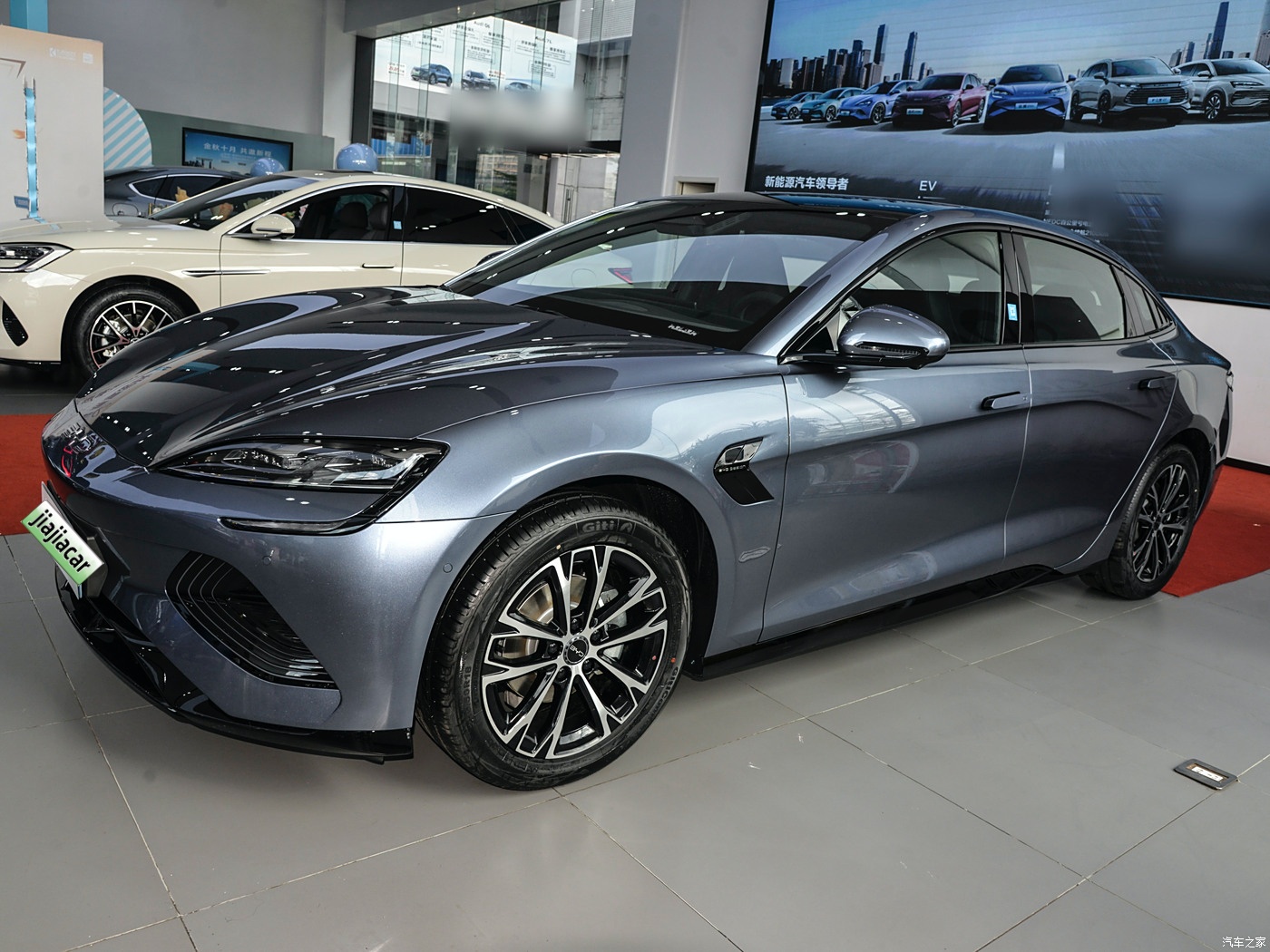
Evaluating a long-range vehicle requires looking beyond basic marketing specifications. Market leaders categorize into three distinct engineering profiles. Each category balances aerodynamic efficiency, cabin comfort, and technological innovation differently.
Target Profile: High-mileage professionals prioritizing ride comfort and maximum highway efficiency.
Evaluation Dimensions: We measure engineering success through the drag coefficient. We also analyze sustained highway energy consumption metrics. Excellent models achieve a drag coefficient below 0.21. Engineers utilize flush door handles and active grille shutters. These sleek shapes allow the vehicle to slice through air effortlessly. This aerodynamic focus drastically reduces energy consumed per kilometer.
Trade-offs: These sleek sedans feature aggressive rooflines. This design choice often limits rear visibility and compromises passenger headroom. They also feature lower ground clearance, making steep driveways challenging. Buyers must accept these structural compromises for peak highway performance.
Target Profile: Tech-forward early adopters and performance-focused drivers.
Evaluation Dimensions: We prioritize supercharger network integration and software reliability. Fast charging scalability remains critical for stress-free long-distance travel. Thermal management during high-speed runs also dictates sustained performance. Robust liquid cooling systems prevent the battery from overheating. Advanced software preconditions the battery before arriving at a charging station. This ensures the pack accepts maximum current immediately.
Trade-offs: Minimalist digital interiors might disappoint traditional luxury buyers. They often lack physical buttons for crucial cabin controls. Complex technological components require specialized maintenance routines. Repairing specialized software glitches requires highly certified technicians, occasionally extending service timelines.
Target Profile: Drivers willing to adopt bleeding-edge battery chemistry technology.
Evaluation Dimensions: We analyze the actual availability of ultra-high-capacity packs locally. Certain brands introduce Battery-as-a-Service operational models. This framework separates battery ownership from the vehicle chassis entirely. It allows users to swap depleted batteries for fully charged units. You can seamlessly upgrade to a 150kWh pack temporarily for a long trip.
Trade-offs: This battery technology remains in early commercialization stages. Early adoption carries inherent risks regarding long-term hardware reliability. Furthermore, the swapping experience depends entirely on localized infrastructure density. If you travel outside supported zones, the primary advantage disappears instantly.
Spec sheets rarely tell the complete story of daily ownership. Real-world physical conditions actively conspire against maximum range estimates.
Sub-zero temperatures cripple battery efficiency severely. Real-world testing reveals significant range reductions during winter months. Cabin heating draws immense power directly from the main power reserve. Battery chemistry also becomes sluggish in freezing ambient conditions. Lithium-ion electrons move slower, temporarily reducing the total available capacity. Heat pumps mitigate this issue better than traditional resistive heaters. They scavenge ambient heat to warm the cabin efficiently. However, winter driving still demands careful, conservative route planning.
Driving a 650km New Energy Car usually involves managing a massive battery pack. These large batteries require ultra-fast charging capabilities to remain practical. Your vehicle needs an 800V electrical architecture to replenish quickly. Plugging a massive battery into a standard 50kW public charger causes severe delays. You might wait several hours to reach an 80 percent charge. Unreliable public charging networks compound this intense frustration during holidays. You must verify local charger speeds before relying on them entirely.
Long-range electric vehicles carry immense physical weight. Massive battery packs add hundreds of kilograms to the vehicle chassis. This extra mass increases the unsprung weight significantly. It forces the suspension to work much harder over road bumps. Electric motors also deliver instant torque directly to the wheels. This aggressive combination accelerates tire degradation at an alarming rate. Owners frequently replace specialized tires much sooner than expected. This creates a hidden, recurring maintenance requirement for proactive owners.
Choosing the perfect model requires an honest lifestyle assessment. You must align your vehicle choice with actual driving habits rather than aspirational road trips.
Track your daily driving distances carefully for one month. If your daily commute rarely exceeds 150 kilometers, reconsider your needs. Carrying a massive battery for short trips reduces overall vehicle efficiency. The extra weight consumes more energy per kilometer driven. A smaller battery might serve your daily routine perfectly. It will charge faster and handle more nimbly in dense city traffic.
Map your primary long-distance travel routes carefully. Check the actual availability of ultra-fast DC charging stations.
If ultra-fast charging proves abundant, prioritize charging speed over maximum capacity. A slightly lower range combined with an 800V rapid-charging curve excels. It often outperforms a massive, slow-charging battery during cross-country trips.
Follow these specific priorities when making your final vehicle selection:
Purchasing a high-capacity electric vehicle represents a major lifestyle upgrade. It serves as a commitment to time-saving and daily convenience. You move beyond basic environmental compliance into true driving freedom.
We strongly advise prioritizing real-world highway testing data over manufacturer claims. Independent media tests provide the most accurate travel expectations. Do not let optimistic laboratory numbers dictate your family travel plans. Real-world variables will always challenge idealized marketing statistics.
Take immediate action before finalizing your final decision. Book extended weekend test drives to experience the vehicle naturally. Consult local charging maps to verify infrastructure along your usual routes. Proper preparation guarantees a seamless transition into the future of modern driving.
A: Using a 350kW DC fast charger, going from 10% to 80% takes about 20 to 30 minutes. Home charging tells a completely different story. A standard Level 2 home charger requires 10 to 14 hours to fully replenish a large battery pack. We recommend overnight home charging for optimal daily use.
A: No, it usually degrades slower. Large batteries experience fewer full charge cycles to cover the same distance. Advanced battery management systems also protect the individual cells. They utilize smart buffer management to prevent dangerous overcharging. Keeping the battery strictly between 20% and 80% ensures excellent long-term health.
A: Very few large SUVs achieve this legitimately. SUVs suffer from a severe aerodynamic penalty due to their boxy shapes. Pushing a large frontal area through the air drains power rapidly. Hitting this range requires exceptionally massive battery packs, which add counterproductive weight. Aerodynamic sedans handle this threshold much better.


