
Views: 0 Author: Site Editor Publish Time: 2026-07-04 Origin: Site


The automotive landscape is shifting rapidly across the globe. Drivers everywhere are quickly turning their attention toward emerging, innovative manufacturers pushing modern technological boundaries. The brand's massive global expansion makes exploring a BYD Electric Vehicle an increasingly attractive option for modern buyers. However, acquiring one is not always straightforward. You must navigate market-specific availability and complex regulatory compliance frameworks. Buyers often face confusing import rules, varying public charging standards, and unexpected logistical challenges. Failing to understand these specific hurdles can lead to confiscated vehicles or permanently voided warranties. We will explore how to safely and legally bring one of these vehicles home. You will learn the critical differences between buying from official dealerships and pursuing independent imports. This comprehensive guide provides a clear, step-by-step framework to evaluate your purchase smoothly. Understanding the complete timeline and required documentation prevents costly delays.
Opting for an official regional network offers the safest route. Buyers in Europe, Australia, and Latin America benefit greatly from established dealership footprints. You gain immediate access to fully localized software. The infotainment systems support your native language and feature regional navigation applications. Purchasing officially means factory warranties remain completely intact. Dealerships provide direct access to certified technicians trained specifically on high-voltage systems. They also stock genuine replacement parts locally. This robust infrastructure effectively eliminates the anxiety of servicing your vehicle.
Best Practice: Always confirm your local dealership holds official certification from the manufacturer. This guarantees they possess the proprietary diagnostic software required to perform routine maintenance and major updates safely.
Some buyers consider independent importation when official networks do not exist locally. A common scenario involves purchasing a car in Mexico and attempting to drive it across the border into the United States. We strongly caution against this approach. You face immense operational risks entering the grey market. Manufacturers generally void warranties for exported models immediately. You will likely encounter software geo-blocking. The companion mobile app might refuse to connect outside the originally intended market.
More importantly, customs agents can confiscate the vehicle permanently. Authorities seize cars failing to meet strict domestic safety standards. Furthermore, if a critical battery recall occurs, grey market vehicles remain ineligible for manufacturer support. You assume all physical and financial liabilities.
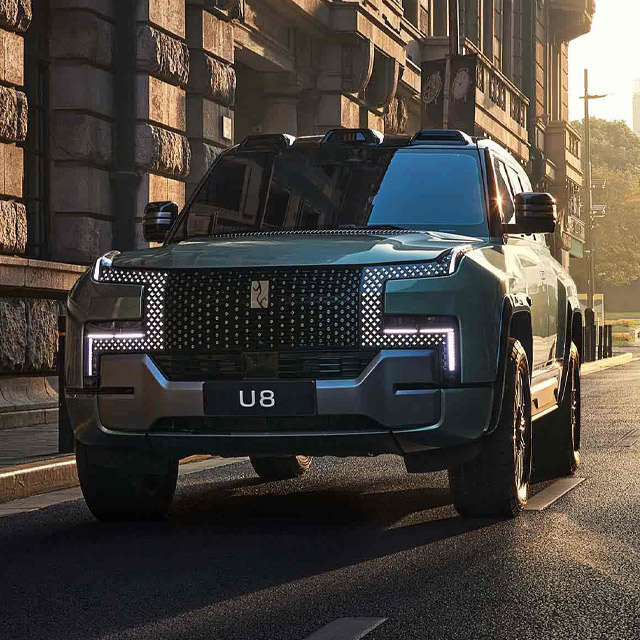
Every country maintains strict transport authority mandates. You must verify the specific BYD Electric Vehicle complies before attempting any import. The United States enforces the rigorous Federal Motor Vehicle Safety Standards (FMVSS). Europe relies on comprehensive UNECE regulations. These frameworks govern everything from lighting configurations to severe crash test survivability. Homologation remains the legal process of certifying a vehicle for a specific market.
Retrofitting a foreign car to meet domestic crash standards proves incredibly difficult. You cannot simply swap headlights and expect regulatory approval. Extensive structural modifications are often technically impossible for private individuals.
Common regulatory compliance checkpoints include:
Common Mistake: Assuming a vehicle legally registered in a neighboring country automatically qualifies for registration in your own jurisdiction. Standards vary wildly even between adjacent nations.
Cross-border vehicle transport carries steep financial implications. Governments often apply heavy tariffs to imported automobiles to protect domestic manufacturing. Certain countries impose specific duties on Chinese-manufactured vehicles. These import taxes dramatically inflate your final acquisition expense. You must factor in these percentages early.
You also need to consider eligibility for government rebates. Purchasing through an unauthorized channel usually disqualifies you from local green energy tax credits. Regional authorities demand official domestic sales records to issue environmental rebates. We highly advise calculating shipping fees, customs brokerage charges, and all import duties during your initial research phase. Hiring a licensed customs broker prevents paperwork errors during border transitions.
The brand offers diverse models catering to distinct buyer outcomes. You must match the vehicle's capabilities to your daily lifestyle. The Dolphin hatchback suits urban commuting perfectly. It maneuvers easily through tight city streets and cramped parking garages. Larger families often prefer SUVs like the Atto 3 or Tang. These larger models provide necessary passenger scalability and expanded cargo capacity for weekend trips.
For performance enthusiasts, the Seal sedan competes aggressively against local market alternatives. It delivers excellent aerodynamic designs and premium interior finishes. When comparing models, pay close attention to how range is calculated. Official figures often use WLTP or CLTC standards. These testing cycles might appear overly optimistic compared to rigorous EPA standards or actual highway driving.
| Model Name | Body Style | Ideal Buyer Profile | Primary Use Case |
|---|---|---|---|
| Dolphin | Hatchback | Urban Commuters | City driving, tight parking |
| Atto 3 | Compact SUV | Small Families | Daily errands, weekend trips |
| Tang | Mid-size SUV | Large Families | Maximum cargo, long road trips |
| Seal | Sedan | Performance Seekers | Highway driving, sporty handling |
A major selling point remains the proprietary Blade Battery technology. This innovative system utilizes Lithium Iron Phosphate (LFP) chemistry. LFP batteries offer distinct advantages over traditional nickel-cobalt alternatives. They demonstrate superior thermal stability. This dramatically lowers fire risks during severe physical impacts. The physical structure of the battery acts as a structural component of the chassis, improving overall vehicle torsional rigidity.
You can expect impressive longevity. LFP cells typically endure thousands of charge cycles before any noticeable degradation occurs. However, real-world performance considerations matter heavily. LFP chemistry sometimes struggles in extreme cold environments. You might experience noticeable cold-weather range degradation during harsh winters. Buyers living in freezing climates must plan their daily charging routines accordingly.
Securing comprehensive coverage for emerging automotive brands introduces unique challenges. Insurers rely heavily on historical data to calculate monthly premiums. They often charge higher rates when assessing unfamiliar automakers entering new markets. Underwriters view unknown repair procedures and parts scarcity as a significant financial risk. You should proactively contact your insurance broker before committing to a purchase.
You must also consider the reality of supply chain delays. While official networks stock common maintenance items, complex body panels might require international shipping. A minor fender bender could leave your car in the collision shop for extended periods. We recommend identifying certified repair centers before signing any purchase agreements.
Charging port mismatch remains a significant hurdle for private importers. A domestically sourced vehicle likely features a GB/T charging standard. Meanwhile, your regional public networks might exclusively utilize CCS or NACS infrastructure. You cannot simply plug into a local fast charger without specialized equipment.
Some owners attempt to bridge this gap using third-party charging adapters. We urge extreme caution here. Using unauthorized adapters for daily DC fast charging presents severe safety risks. It can lead to dangerous thermal events or permanently damage the vehicle's onboard inverter. Always verify native port compatibility for your specific region.
| Source Market Protocol | Common Regional Infrastructure | Adapter Safety / Reliability Rating |
|---|---|---|
| GB/T (China) | CCS1 / CCS2 | High Risk for DC Fast Charging |
| CCS2 (Europe/Aus) | CCS1 (North America) | Moderate Risk (Requires specialized adapter) |
| Native CCS2 | Native CCS2 | Safe / Recommended |
Preparation is critical before committing to any vehicle acquisition. Thorough research prevents administrative headaches later. Follow a structured approach to protect yourself financially and legally.
The final stage involves extensive administrative paperwork. You need a comprehensive document packet for legal road registration. Authorities will demand the original Bill of Sale. They also require a valid Certificate of Conformity (CoC) to prove regulatory alignment. If importing, you must present stamped customs declarations showing all duties cleared.
Your local motor vehicle department will conduct a thorough physical inspection. Inspectors check the VIN plate, verify safety equipment compliance, and validate emissions exemptions. They may require certified weight tickets for registration classification. Only after passing these rigorous physical checks can you secure permanent license plates. Ensure you retain multiple copies of all transit documents throughout this exhausting process.
Acquiring this emerging technology requires careful deliberation. The vehicles provide compelling advancements, but purchase viability depends entirely on your local market realities. Navigating compliance, securing parts, and confirming charging compatibility takes significant effort. Always prioritize official purchasing channels to mitigate severe operational risks.
If you decide to proceed, keep these actionable next steps in mind:
A: It is exceptionally difficult. The vehicle must comply with strict NHTSA safety regulations and EPA standards. Cars not originally manufactured for the US market typically fail these requirements. The 25-year import rule prevents bringing non-compliant newer vehicles across the border. Furthermore, severe tariff barriers currently exist, making the logistics highly unfavorable.
A: Generally, no. Manufacturers implement strict cross-border warranty policies. If you purchase the car in one domestic market and export it to another, the factory warranty becomes immediately void. Authorized service centers in your home country will likely refuse free repairs. You assume full liability for maintenance.
A: It depends heavily on the source market. Cars built for the Chinese domestic market feature GB/T ports. If your local infrastructure relies on CCS or NACS, you cannot plug in directly. While third-party adapters exist, they pose significant safety risks and often fail during high-speed DC fast charging.
A: Vehicles sold through official international dealerships feature fully localized software, supporting English and regional languages. However, privately imported domestic-market vehicles often restrict software to their native language. They may also utilize geo-blocked firmware, causing you to lose access to mobile app functionality and navigation.


