
Views: 0 Author: Site Editor Publish Time: 2026-07-01 Origin: Site


The modern warehouse is rapidly shifting toward sustainable operations. Facility leaders increasingly adopt lithium-ion and advanced electric material handling equipment. They chase promises of eliminated emissions and drastically reduced equipment downtime. However, facility managers frequently miscalculate the actual upkeep requirements for these modern machines. Many wrongly assume the "new energy" label automatically guarantees a completely zero-maintenance reality. This false assumption routinely leads to neglected battery systems, software failures, and unexpected operational halts. Equipment requires diligent care regardless of the power source.
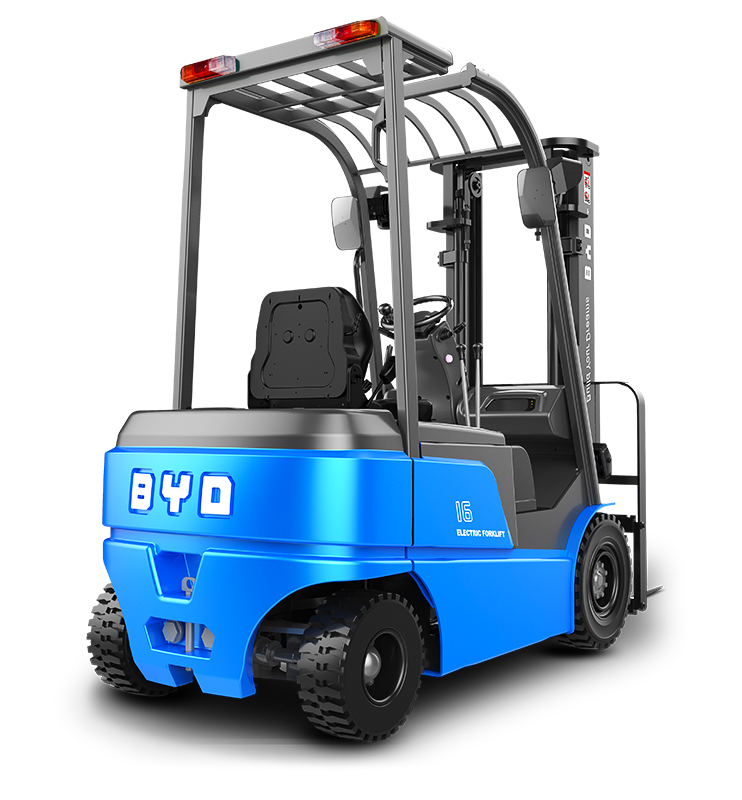
This guide delivers a realistic, evidence-based maintenance framework for properly managing a small new energy forklift. We will explore exact operational protocols, hidden infrastructure demands, and essential lifecycle management strategies. You will learn how to move beyond basic marketing claims. We will help you master the specific daily habits and facility upgrades required to maximize your operational readiness.
Traditional equipment relies heavily on internal combustion (IC) engines. These older engines require spark plugs, drive belts, and messy fluid changes. Advanced electric models eliminate these mechanical burdens entirely. They introduce powerful drive motors, solid-state inverters, and complex electronic controllers. Upkeep changes drastically. You trade grease guns for diagnostic laptops.
Many operators fall victim to the zero-maintenance myth. Maintenance frequency certainly drops, but the complexity sharply increases. You must calibrate digital sensors regularly. Technicians check wire harness integrity to prevent shorts. They frequently update machine firmware to resolve bugs. You cannot ignore these specialized tasks. Neglecting electronic health leads to sudden system lockouts. A modern small new energy forklift demands proactive digital care.
Compact equipment faces unique physical vulnerabilities. High-density warehouse environments demand tight maneuvers and narrow aisles. The compact footprint exposes specific components to heavy localized wear. Steer axles degrade quickly under constant sharp turning. Tight-radius tires wear unevenly if floors lack smooth surfaces. Low-clearance chassis frequently take impacts from debris or uneven dock plates. You must monitor these specific physical stress points closely to prevent mechanical binding.
The Battery Management System (BMS) acts as the brain of your equipment. It governs the overall health of the entire machine. It actively balances energy cells and prevents dangerous overcharging. You must audit BMS logs frequently to ensure longevity. Technicians look for thermal spikes during heavy usage. They hunt for subtle voltage imbalances between cell banks. These digital logs also reveal operator abuse. Hard acceleration and improper braking generate noticeable data footprints.
Advanced power systems thrive on specific charging habits. We call this opportunity charging. Operators should plug in the equipment during short breaks. A quick fifteen-minute charge sustains optimum power levels throughout a shift. Deep discharging severely harms modern cells. You must never run these batteries down to zero. Train your team to avoid traditional range anxiety habits. Strict charging rules protect the power system.
Charging stations require their own dedicated maintenance. Technicians must inspect high-voltage cables and connectors regularly. Operators often drop heavy connectors on concrete floors. This causes hidden internal cracks. High-voltage draws also impact your facility grid load. Many facilities overlook these hidden infrastructure demands. Reliable power infrastructure ensures uninterrupted daily operations. You must schedule routine inspections for all wall-mounted chargers.
A structured approach prevents catastrophic equipment failures. We categorize essential tasks by operating hours. This standardization keeps your fleet moving safely.
Operators hold the first line of defense. They must review digital dashboard warnings immediately upon startup. They should clear any active error codes before driving. They visually inspect charging ports for bent pins or debris. They check mast chains for proper tension and lubrication. They look for subtle hydraulic leak points near lift cylinders. Finally, they test brake responsiveness and verify emergency stop functionality. A machine must never operate with a faulty emergency stop.
Technicians perform deeper physical audits every month. They assess tire wear carefully. Uneven tires cause severe motor vibration in compact models. This vibration damages sensitive electronic controllers over time. Technicians check hydraulic fluid levels and apply fresh lubrication to the mast. They clear debris from the main drive motor. Narrow-aisle work accumulates shrink wrap and warehouse dust quickly. Removing this debris prevents motor overheating.
Annual reviews focus heavily on software and structural safety. Technicians perform deep OEM software diagnostics. They complete all necessary firmware flashing to optimize motor efficiency. They execute physical load testing to verify lift capacities. They check high-voltage contactor degradation under maximum stress. Finally, they review the structural integrity of the forks. They inspect carriage assemblies thoroughly for micro-fractures.
Standard Maintenance Schedule Chart
| Maintenance Interval | Focus Area | Specific Action Required | Responsible Party |
|---|---|---|---|
| Daily (Pre-Shift) | Safety & Sensors | Check dashboard codes, test brakes, inspect charging ports. | Equipment Operator |
| Monthly (250 Hours) | Wear & Tear | Assess tire wear, lubricate mast, clear motor debris. | In-house Technician |
| Quarterly (750 Hours) | Electrical Health | Audit BMS logs, inspect wire harnesses, check connector pins. | Certified Mechanic |
| Annually (2000 Hours) | System Integrity | Flash firmware, perform load testing, check structural welds. | OEM Specialist |
Modern fleets generate massive amounts of operational data. Onboard telematics capture real-time performance metrics continuously. We use this data to shift our maintenance strategies entirely. We move away from blind calendar-based schedules. We transition toward condition-based interventions. Telematics monitor component temperatures and voltage drops. You fix things right before they actually break. This data-driven reliability maximizes your equipment uptime.
OEM diagnostic software varies wildly across different brands. Buyers should evaluate software capabilities carefully. Open architecture allows broad integration with your existing systems. Closed-ecosystem software locks you into specific vendor tools. You should demand transparent data access from your provider. Open systems empower your internal maintenance team. They allow you to pull raw data directly into your own dashboards.
A Computerized Maintenance Management System (CMMS) streamlines your entire workflow. Automating this process saves countless administrative hours. Consider the standard automated workflow:
This automated flow ensures precise parts ordering. It minimizes technician diagnostic time significantly. Mechanics arrive at the machine already knowing the exact problem.
Tier-1 power cells rarely fail catastrophically. However, thermal runaway remains a severe facility risk. You must establish standard operating procedures for emergencies. Teams need clear protocols for handling battery fault events. Operators must know exactly where to quarantine a smoking machine. Safety always dictates these procedures. Proper thermal mitigation strategies prevent minor faults from destroying entire warehouses.
Indoor high-voltage equipment faces strict regulatory rules. OSHA and local safety codes update frequently. You must navigate this changing landscape carefully. Facilities must meet specific fire suppression requirements for charging areas. Charging zone layouts need careful spatial planning. Even though these machines produce zero emissions, charging areas still require adequate ventilation. Heat dissipation matters greatly during summer months.
High-voltage systems present lethal electro-mechanical dangers. In-house mechanics require formal, specialized certification. They cannot simply transition from diesel engines without training. The National Fire Protection Association (NFPA) 70E standard is critical. Regional equivalents exist globally. Technicians must understand arc flash hazards fully. They must master strict lockout/tagout procedures for electrical drivetrains. Proper upskilling protects your workforce from severe injury.
Initial equipment specifications look great on paper. However, local aftermarket support matters much more in reality. You need certified high-voltage technicians nearby. Fast response times keep your warehouse moving efficiently. Evaluate the vendor's service capabilities thoroughly. Ask about their regional service footprint. A brilliant machine becomes useless if you wait weeks for a qualified repair technician.
Proprietary components often face frustrating supply chain delays. You must assess the vendor’s parts availability carefully. Check their local inventory of specialized controllers. Ask about their stock of localized BMS modules. Slow parts delivery cripples warehouse productivity. Ensure they maintain regional distribution hubs for critical electronic components. Long lead times destroy operational efficiency.
You must read power system warranties meticulously. Manufacturers often hide strict operational conditions in the fine print. Watch out for cycle-count limits disguised as calendar years. A ten-year warranty means nothing if you exceed the cycle limit in three years. Look out for mandatory telematics reporting clauses. Some vendors require constant data uploads to validate warranties. Non-compliance or network dropouts can void your coverage instantly. Demand absolute clarity before signing.
Maintaining modern warehouse equipment relies much less on wrenches and grease today. It depends heavily on software monitoring, strict charging discipline, and proactive data analysis. Your facility infrastructure plays a massive role in daily equipment health. A properly maintained small new energy forklift delivers incredible uptime when supported correctly.
Decision-makers must take clear action steps. Audit your current electrical grid capacity immediately. Evaluate your existing CMMS software readiness for API integrations. Demand guaranteed Service Level Agreement (SLA) response times from potential partners. Secure these critical commitments before finalizing any fleet transition.
A: Yes. High-voltage drivetrains and proprietary OEM diagnostic software strictly require certified technicians. Traditional in-house mechanics need specific upskilling. They must transition from mechanical IC engine repairs to advanced electro-mechanical diagnostics. Specialized training ensures safety and prevents accidental damage to sensitive electronic controllers.
A: Extreme cold impacts battery cell chemistry directly, reducing overall operating capacity. Rapid temperature changes cause dangerous condensation on internal electrical components. Cold storage operations require specialized thermal management packages. Technicians must perform much more frequent physical checks on wire harnesses and moisture seals.
A: Often, yes. Manufacturers frequently utilize proprietary diagnostic tools to secure their aftermarket ecosystems. You must address this reality early. Advise your procurement team to negotiate diagnostic software access upfront. You should request open API integrations with your existing CMMS during the initial purchasing phase.
A: A high-quality lithium-ion power system realistically provides 3,000 to 5,000 charge cycles before degrading to 80% capacity. However, this lifespan depends entirely on operational discipline. You must adhere strictly to opportunity charging rules. Avoiding deep-discharge events ensures maximum battery longevity.


